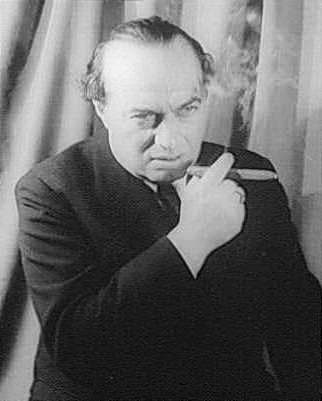
Franz Werfel
Franz Werfel was an Austrian-Bohemian novelist, playwright, and poet whose literary career unfolded against the backdrop of significant historical upheaval, including both World Wars. He gained prominence for his profound exploration of human suffering and resilience, particularly in his acclaimed novel, The Forty Days of Musa Dagh, published in 1933. This work, which recounts the harrowing events of the Armenian genocide, is notable for its poignant narrative and its role in raising awareness about the atrocities faced by the Armenian people. Werfel's ability to weave historical events with deep emotional resonance marked him as a significant voice in 20th-century literature. Another of Werfel's major works, The Song of Bernadette, released in 1941, tells the story of the young French saint Bernadette Soubirous and her visions of the Virgin Mary. This novel not only reflects Werfel's interest in spirituality and faith but also achieved widespread acclaim, leading to a successful film adaptation that further cemented his legacy. Throughout his life, Werfel's writings were characterized by their lyrical quality and moral depth, often grappling with themes of exile, identity, and the human condition. His contributions to literature have left an enduring impact, particularly in the context of Jewish literature and the representation of historical trauma.
Famous Quotes
View all 3 quotes“Which road, which road did you take That brought you here at last? No road, no road did I take. I leaped, I leaped from dream to dream.”
“For those who believe, no explanation is necessary. For those who do not believe, no explanation is possible.”
“We belong far less to where we've come from than where we want to go.”
Books from the author



Link to this page
Add a free, dofollow link to Lex on your blog, forum, syllabus, or reading list.

<a href="https://lex-books.com/author/franz-werfel"><img src="https://lex-books.com/badges/read-on-lex.svg" alt="Franz Werfel on Lex" width="160" height="40"></a>[](https://lex-books.com/author/franz-werfel)[url=https://lex-books.com/author/franz-werfel][img]https://lex-books.com/badges/read-on-lex.svg[/img][/url]Franz Werfel on Lex: https://lex-books.com/author/franz-werfel