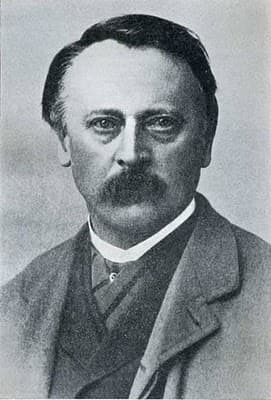
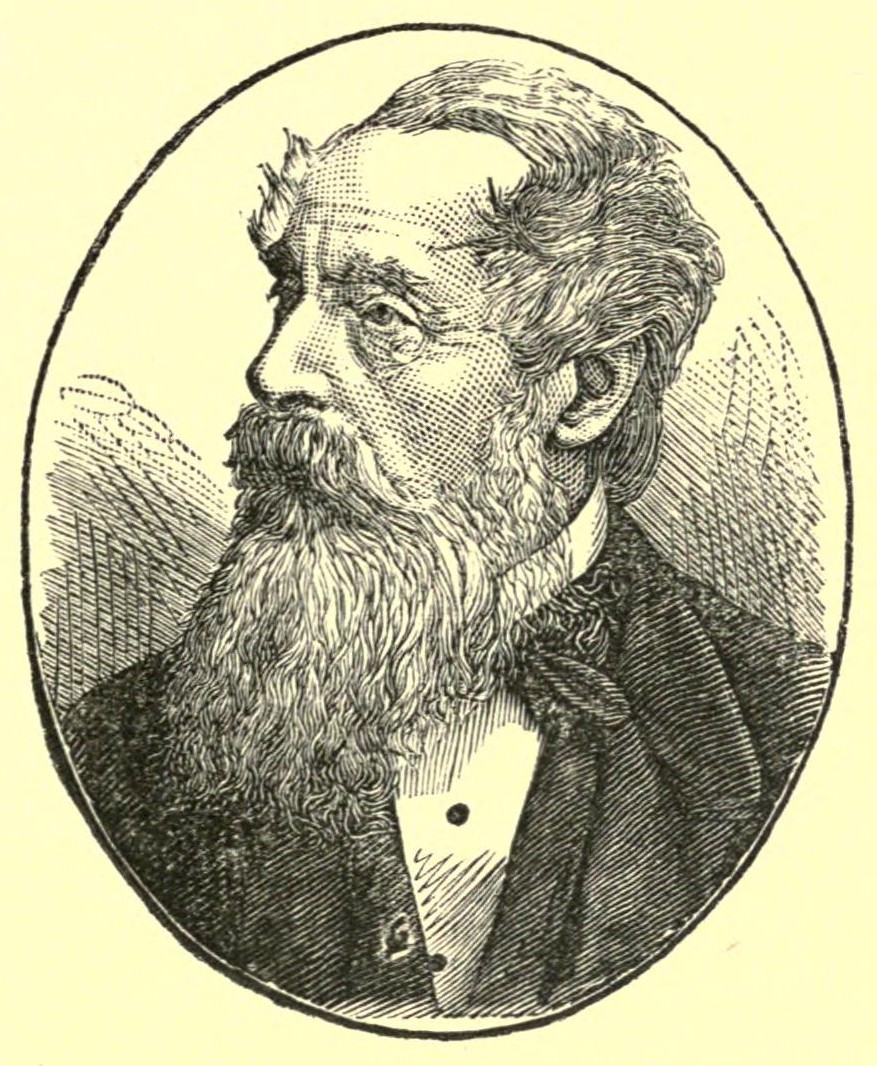
Franz Hartmann
Franz Hartmann was a multifaceted German medical doctor, theosophist, and occultist, whose diverse interests spanned astrology and geomancy. Born in Donauwörth, he pursued a career in medicine while simultaneously delving into esoteric studies, which significantly influenced his literary output. Hartmann became known for his writings on theosophy, a spiritual movement that sought to explore the underlying unity of all religions and the nature of the divine. His notable works include 'The Life and Doctrines of Paracelsus' and 'Magic: White and Black', which reflect his deep engagement with mysticism and the occult, as well as his efforts to bridge science and spirituality. Throughout his life, Hartmann played a crucial role in the dissemination of theosophical ideas in Germany and beyond. His writings not only contributed to the understanding of occult practices but also sought to establish a dialogue between science and spirituality during a time of significant intellectual upheaval. Hartmann's legacy endures through his influence on later theosophists and occult practitioners, as well as his commitment to exploring the mysteries of existence through both scientific inquiry and mystical experience.
Famous Quotes
View all 3 quotes“The first power that meets us at the threshold of the soul's domain is the power of imagination.”
“A person who peremptorily denies the existence of anything which is beyond the horizon of his understanding because he cannot make it harmonise with his accepted opinions is as credulous as he who believes everything without any discrimination. Either of these persons is not a freethinker, but a slave to the opinions which he has accepted from others, or which he may have formed in the course of his education, and by his special experiences in his (naturally limited) intercourse with the world. If such persons meet with any extraordinary fact that is beyond their own experience, they often either regard it with awe and wonder, and are ready to accept any wild and improbable theory that may be offered to them in regard to such facts, or they sometimes reject the testimony of credible witnesses, and frequently even that of their own senses. They often do not hesitate to impute the basest motives and the most silly puerilities to honourable persons, and are credulous enough to believe that serious and wise people had taken the trouble to play upon them “practical jokes,” and they are often willing to admit the most absurd theories rather than to use their own common sense.”
“As the moon without the light of the sun is dark, so likewise the images produced by thought have no power unless they are strengthened by the Will; while the Will is useless unless it is guided and brought into a form by thought. If thought and will are divided, they are both ineffective; but if thought and will are in unison, they become effective; they then constitute a Unity, and this unity is called "Spirit.”
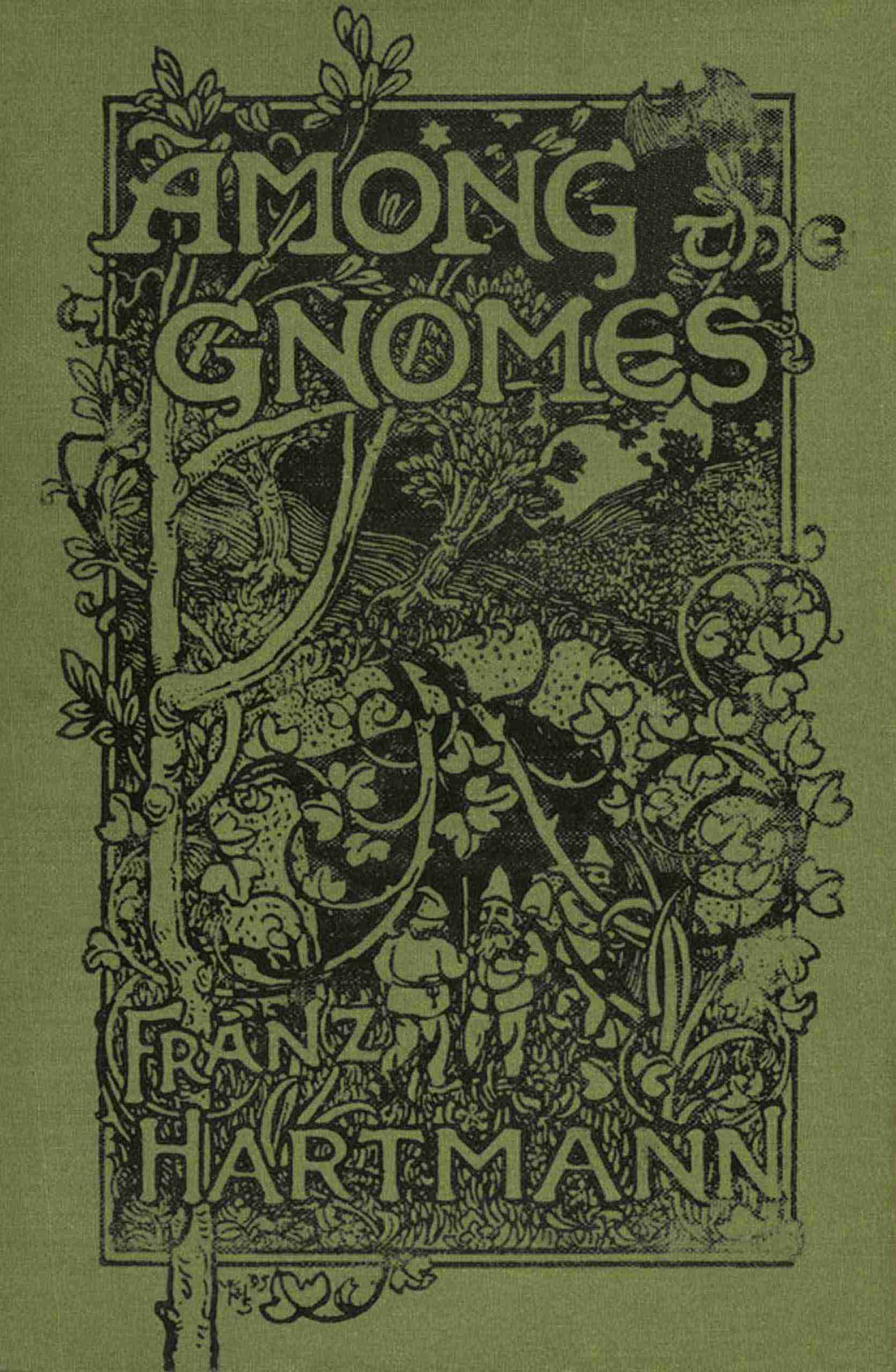
Books from the author





Link to this page
Add a free, dofollow link to Lex on your blog, forum, syllabus, or reading list.

<a href="https://lex-books.com/author/franz-hartmann"><img src="https://lex-books.com/badges/read-on-lex.svg" alt="Franz Hartmann on Lex" width="160" height="40"></a>[](https://lex-books.com/author/franz-hartmann)[url=https://lex-books.com/author/franz-hartmann][img]https://lex-books.com/badges/read-on-lex.svg[/img][/url]Franz Hartmann on Lex: https://lex-books.com/author/franz-hartmann