France. Sovereign
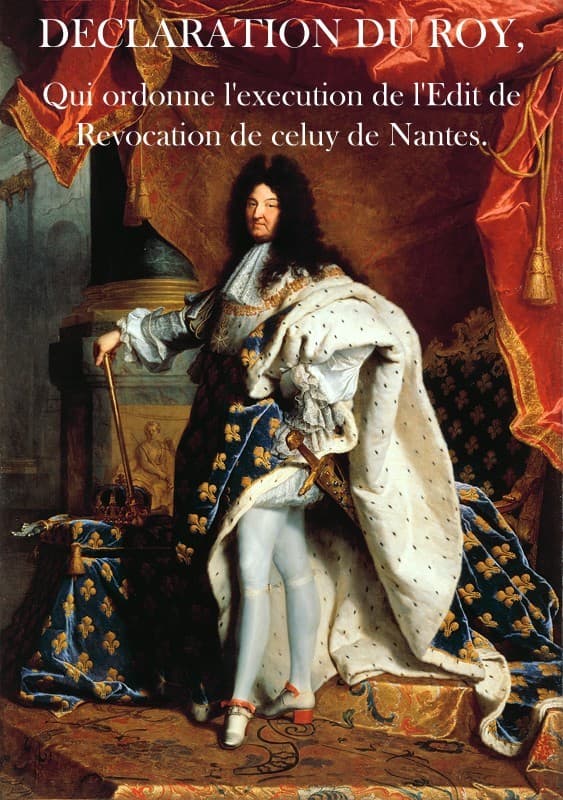
France Sovereign was a notable figure in the context of 17th-century France, particularly recognized for his role in the religious and political turmoil of the time. His most significant work, "Declaration Du Roy, Qui Ordonne L'execution De L'edit De Revocation De Celuy De Nantes," reflects the tensions surrounding the Edict of Nantes, which had previously granted religious freedoms to the Huguenots. The revocation of this edict in 1685 marked a pivotal moment in French history, leading to widespread persecution of Protestants and forcing many to flee the country. Sovereign's declaration served as an official statement of this policy change, illustrating the monarch's authority and the state's stance on religious uniformity. Sovereign's writings are significant not only for their immediate political implications but also for their insight into the broader societal impacts of religious intolerance in France. His work contributes to the understanding of the absolutist state under Louis XIV, as well as the cultural and religious conflicts that shaped the era. The legacy of Sovereign's declarations continues to resonate in discussions about religious freedom and state control, making his contributions an essential part of the historical narrative surrounding the period.
Books from the author