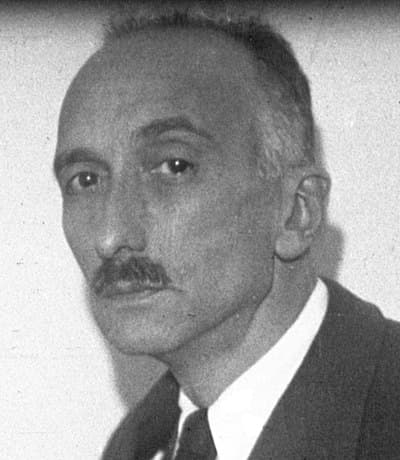
François Mauriac
François Mauriac was a prominent French novelist, playwright, and essayist, known for his profound exploration of human psychology and moral dilemmas. Born in Bordeaux, Mauriac's early life was steeped in the Catholic faith, which significantly influenced his literary themes. He gained recognition in the 1920s with works such as 'Thérèse Desqueyroux,' a novel that delves into the complexities of marriage and the constraints of societal expectations. His writing often reflected the tensions between faith and doubt, love and betrayal, and the struggles of the individual against a backdrop of societal norms. Mauriac's literary significance lies not only in his exploration of the human condition but also in his ability to capture the essence of French society during a time of great upheaval. He was awarded the Nobel Prize in Literature in 1952, recognizing his contributions to literature that examined the moral and spiritual crises of his characters. His other notable works include 'The Knot of Vipers' and 'The Desert of Love,' both of which showcase his intricate character studies and philosophical depth. Mauriac's legacy endures as a key figure in 20th-century literature, whose works continue to provoke thought and discussion about the complexities of human existence.
Famous Quotes
View all 19 quotes“‘Tell me what you read and I’ll tell you who you are’ is true enough, but I’d know you better if you told me what you reread.””
“To love someone is to see a miracle invisible to others.””
“The effort of explaining, even of expressing himself, had become, with the years, more and more terrifying to him. Whether from laziness or from inability to find the right words, he had developed almost a passion for silence.””
Books from the author

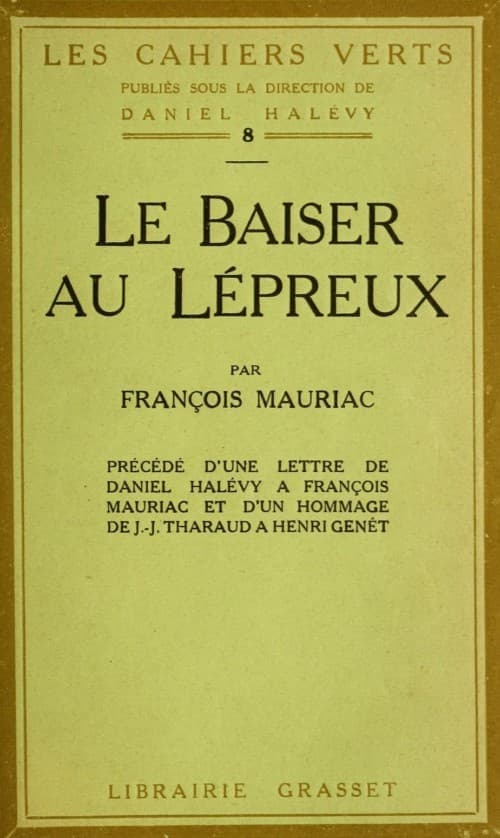

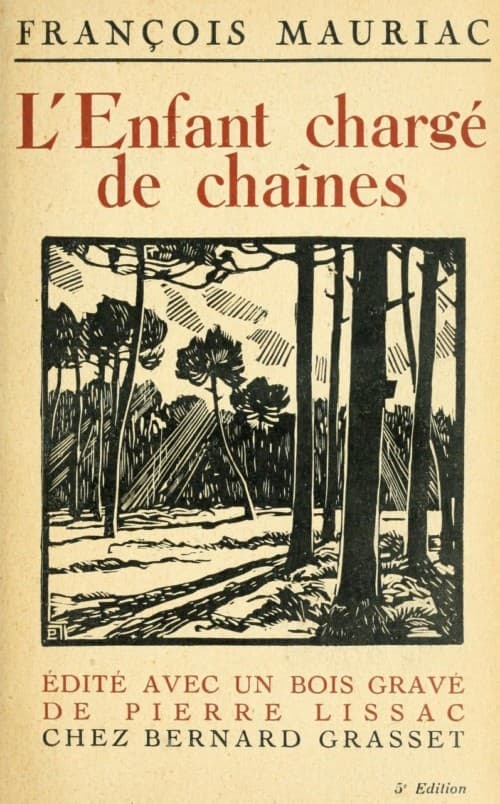
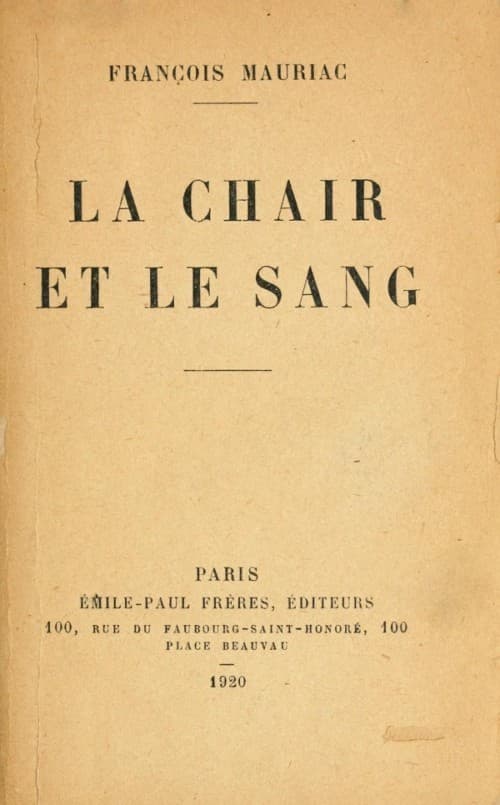

Link to this page
Add a free, dofollow link to Lex on your blog, forum, syllabus, or reading list.

<a href="https://lex-books.com/author/françois-mauriac"><img src="https://lex-books.com/badges/read-on-lex.svg" alt="François Mauriac on Lex" width="160" height="40"></a>[](https://lex-books.com/author/françois-mauriac)[url=https://lex-books.com/author/françois-mauriac][img]https://lex-books.com/badges/read-on-lex.svg[/img][/url]François Mauriac on Lex: https://lex-books.com/author/françois-mauriac