Thérèse
1927
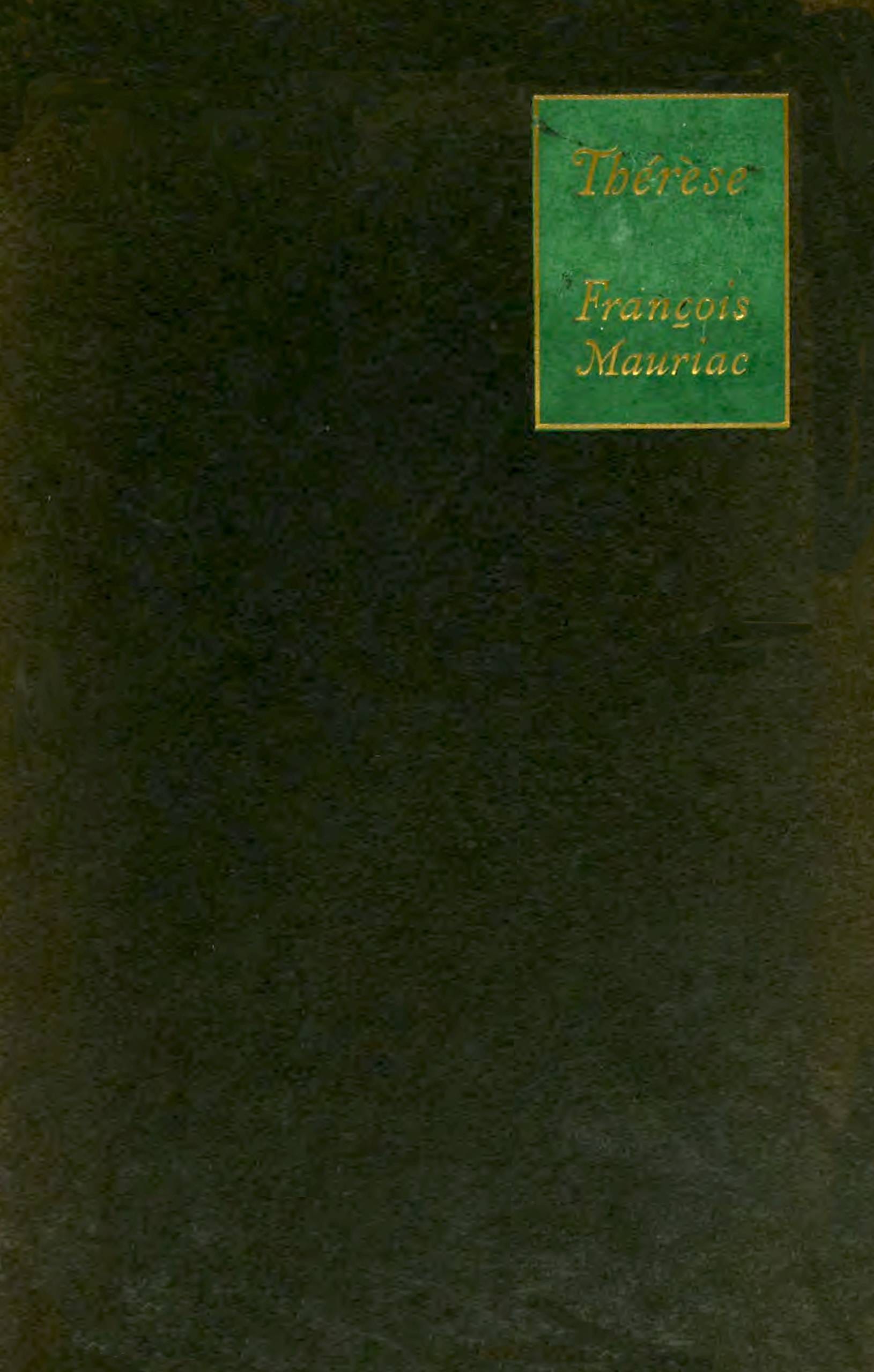
Thérèse Desqueyroux did the unthinkable: she tried to poison her husband. In the suffocating bourgeois world of provincial France, where family honor matters more than truth, her husband Bernard makes a calculated decision, to bury the scandal and protect the Desqueyroux name. He arranges a legal non-lieu, but what he gives her is not freedom. It's a different kind of prison. Confined to her room, watched by doctors and servants, Thérèse descends into a prostration so complete that Bernard himself begins to fear what he's created. Should he let her go? Can he? Mauriac digs into the poisoned soil of a marriage built on obligation, not love, and the terrifying question of whether freedom means anything when you've lost the self you were meant to save. This is psychological fiction at its most ruthless: a woman trapped not by walls, but by the expectations of a world that demands she perform contentment even in her own destruction.
Editions
X-Ray
“What a fool she was ever to have imagined that there might be some place in the world where she could sink to the earth with the knowledge that there were people round her who understood, who perhaps even admired and loved her! She was fated to carry loneliness about with her as a leper carries his scabs. 'No one can do anything for me: no one can do anything against me.””
— François Mauriac
“The really pure in heart know nothing of what goes on around them each day, each night; never realize what poisonous weeds spring up beneath their childish feet.””
— François Mauriac
“She was surprised to find that something from deep down in herself welled into her eyes and burned her cheeks: a few poor tears shed by one who never cried!””
— François Mauriac
“What an odd creature you are, Bernard, with your constant fear of death! Do you never have a feeling, as I do, of utter futility? No? Doesn't it occur to you that the sort of life people like us lead is remarkably like death?””
— François Mauriac
“Du moins, sur ce trottoir où je t'abandonne,j'ai l'espérance que tu n'es pas seule.””
— François Mauriac
“The Ladies of the Sacred Heart hung a thousand veils between their little charges and reality. Thérèse despised them for confounding virtue with ignorance.””
— François Mauriac
“...car chacun, ici comme ailleurs, naît avec sa loi propre ; ici comme ailleurs, chaque destinée est particulière et pourtant il faut se soumettre à ce morne destin commun ; quelques-uns résistent : d'où ces drames sur lesquels les familles font silence. Etre soi-même ? répétai-je, mais nous ne le sommes que dans la mesure où nous nous créons.””
— François Mauriac
“It never occurs to one to think whether she is pretty or ugly. One just surrenders to her charm.””
— François Mauriac
“Her dreams took up a sharper precision of outline. She sought deliberately in her past for facts long since forgotten, for lips that from afar she had adored, for bodies vaguely recognized which chance meetings and the random happenings of dream had brought into innocent contact with her own. She composed a symphony of happiness, invented a world of delights, built up from odds and ends a wholly impossible universe of love.””
— François Mauriac
Link to this book
Add a free, dofollow link to Lex on your blog, forum, syllabus, or reading list.

<a href="https://lex-books.com/book/th-r-se-66b9c87f-bffd-4281-9c80-4d62cb2f9e61"><img src="https://lex-books.com/badges/read-on-lex.svg" alt="Read Thérèse by François Mauriac free on Lex" width="160" height="40"></a>[](https://lex-books.com/book/th-r-se-66b9c87f-bffd-4281-9c80-4d62cb2f9e61)[url=https://lex-books.com/book/th-r-se-66b9c87f-bffd-4281-9c80-4d62cb2f9e61][img]https://lex-books.com/badges/read-on-lex.svg[/img][/url]Read Thérèse by François Mauriac free on Lex: https://lex-books.com/book/th-r-se-66b9c87f-bffd-4281-9c80-4d62cb2f9e61Cite this book
Reading this edition for a paper or guide? Copy a citation.
Mauriac, François. Thérèse. Lex, lex-books.com/book/th-r-se-66b9c87f-bffd-4281-9c80-4d62cb2f9e61.Mauriac, F. (1927). Thérèse. Lex. https://lex-books.com/book/th-r-se-66b9c87f-bffd-4281-9c80-4d62cb2f9e61Mauriac, François. Thérèse. Lex. https://lex-books.com/book/th-r-se-66b9c87f-bffd-4281-9c80-4d62cb2f9e61.