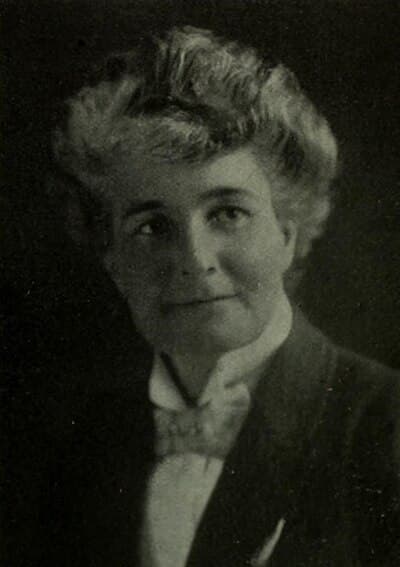
Florence L. Barclay
Florence L. Barclay was a British author known for her romantic novels that often intertwined themes of spirituality and personal growth. Born in the late 19th century, she gained popularity for her engaging storytelling and strong female characters. Barclay's most notable work, 'The Rosary,' published in 1910, became a bestseller and was adapted into a successful play and film, showcasing her ability to capture the complexities of love and faith. Her writing often reflected her own experiences and beliefs, making her narratives resonate with readers seeking both entertainment and deeper meaning. Throughout her career, Barclay wrote several other novels, including 'The Mistress of Shenstone' and 'The Upas Tree,' which further established her reputation as a significant voice in early 20th-century literature. Her works were characterized by their emotional depth and moral undertones, appealing to a wide audience during a time when women's literature was gaining traction. Florence L. Barclay's legacy endures through her contributions to the genre of romantic fiction, as she paved the way for future female authors to explore themes of love, spirituality, and self-discovery in their writing.
Famous Quotes
View all 3 quotes“She had once been described, by one who saw below the surface, as a perfectly beautiful woman in an absolutely plain shell.””
“I suddenly became conscious that, for the first time in my whole life, I was essential to somebody. I could not enter a room without realising that he was instantly aware of my presence; I could not leave a room without knowing that he would at once feel and regret my absence.””
“Unless your daily life from Monday to Saturday is a life of worship, there will not be much reality in your public worship on Sunday.””
Books from the author






Link to this page
Add a free, dofollow link to Lex on your blog, forum, syllabus, or reading list.

<a href="https://lex-books.com/author/florence-l-barclay-2"><img src="https://lex-books.com/badges/read-on-lex.svg" alt="Florence L. Barclay on Lex" width="160" height="40"></a>[](https://lex-books.com/author/florence-l-barclay-2)[url=https://lex-books.com/author/florence-l-barclay-2][img]https://lex-books.com/badges/read-on-lex.svg[/img][/url]Florence L. Barclay on Lex: https://lex-books.com/author/florence-l-barclay-2