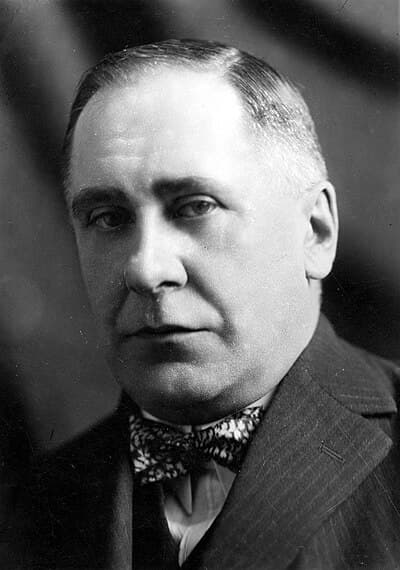
Ferdynand Antoni Ossendowski
Ferdynand Antoni Ossendowski was a Polish writer, explorer, and political activist whose life spanned significant historical upheavals. Born into a noble family, he became an active participant in the Russian Civil War, which profoundly influenced his literary career. Ossendowski is best known for his works that delve into the complexities of the Russian Revolution and its aftermath, particularly in his notable books such as 'Lenin' and 'Beasts, Men and Gods'. These texts not only provide a firsthand account of the tumultuous events of his time but also reflect his staunch anticommunist views, which shaped his narrative style and thematic focus. Ossendowski's writings are significant for their vivid portrayal of the chaos and moral dilemmas faced during the revolution, offering insights into the human condition amidst political strife. His experiences as an explorer and professor further enriched his perspectives, allowing him to weave together elements of adventure, philosophy, and political commentary. Despite the controversies surrounding his political stances, Ossendowski's contributions to literature and his unique voice in the discourse on communism and revolution have left a lasting legacy, influencing both contemporary and later writers who grappled with similar themes.
Famous Quotes
View all 2 quotes“The great conqueror, Jenghiz Khan, the son of sad, stern, severe Mongolia, according to an old Mongolian legend "mounted to the top of Karasu Togol and with his eyes of an eagle looked to the west and the east. In the west he saw whole seas of human blood over which floated a bloody fog that blanketed all the horizon. There he could not discern his fate. But the gods ordered him to proceed to the west, leading with him all his warriors and Mongolian tribes. To the east he saw wealthy towns, shining temples, crowds of happy people, gardens and fields of rich earth, all of which pleased the great Mongol. He said to his sons: 'There in the west I shall be fire and sword, destroyer, avenging Fate; in the east I shall come as the merciful, great builder, bringing happiness to the people and to the land.'".”
“The character and manners of lovely woman are the same everywhere: on bright Broadway, along the stately Thames, on the vivacious boulevards of gay Paris and in the silk-draped yurta of the Soyot Princess behind the larch covered Tannu Ola.”
Books from the author
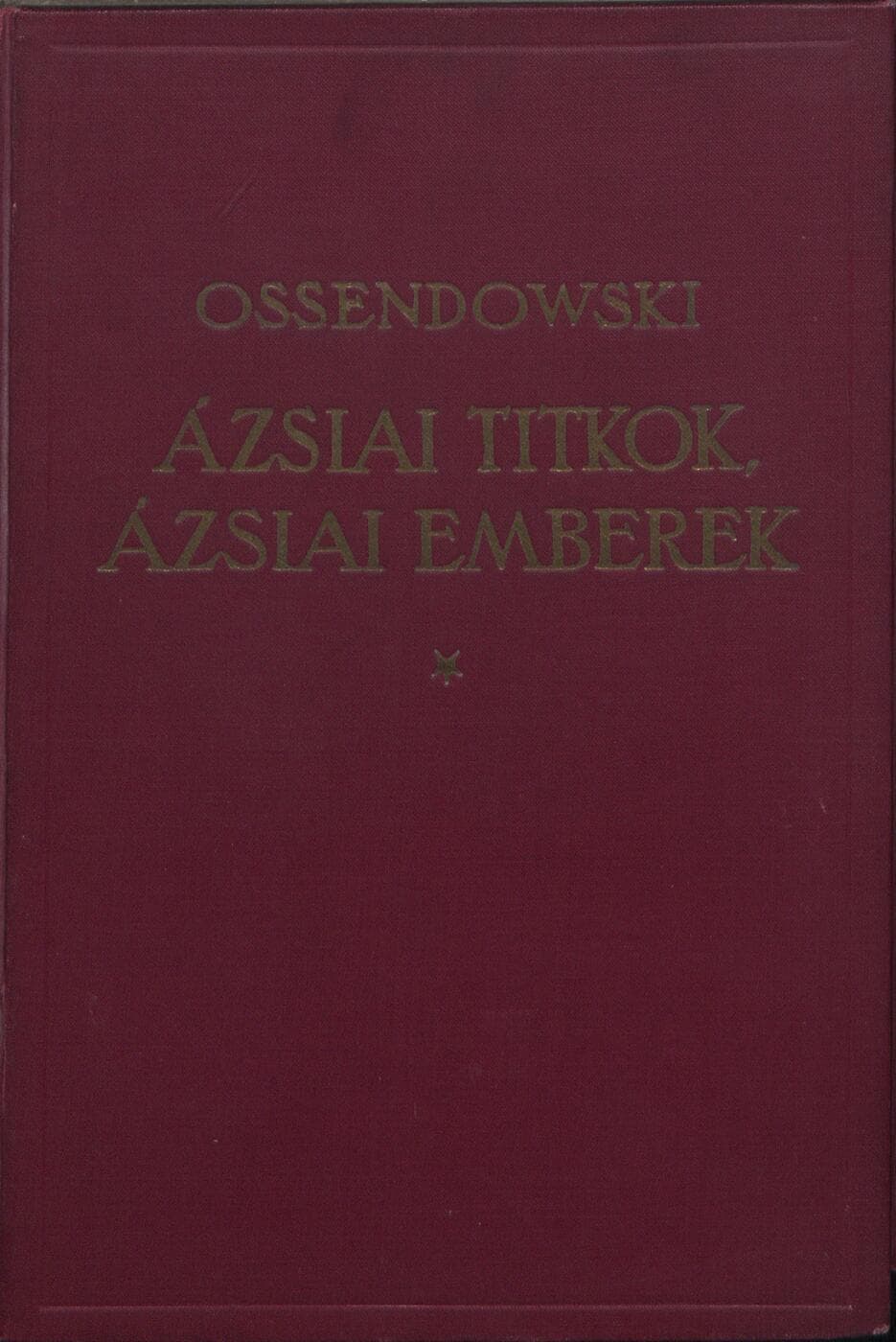
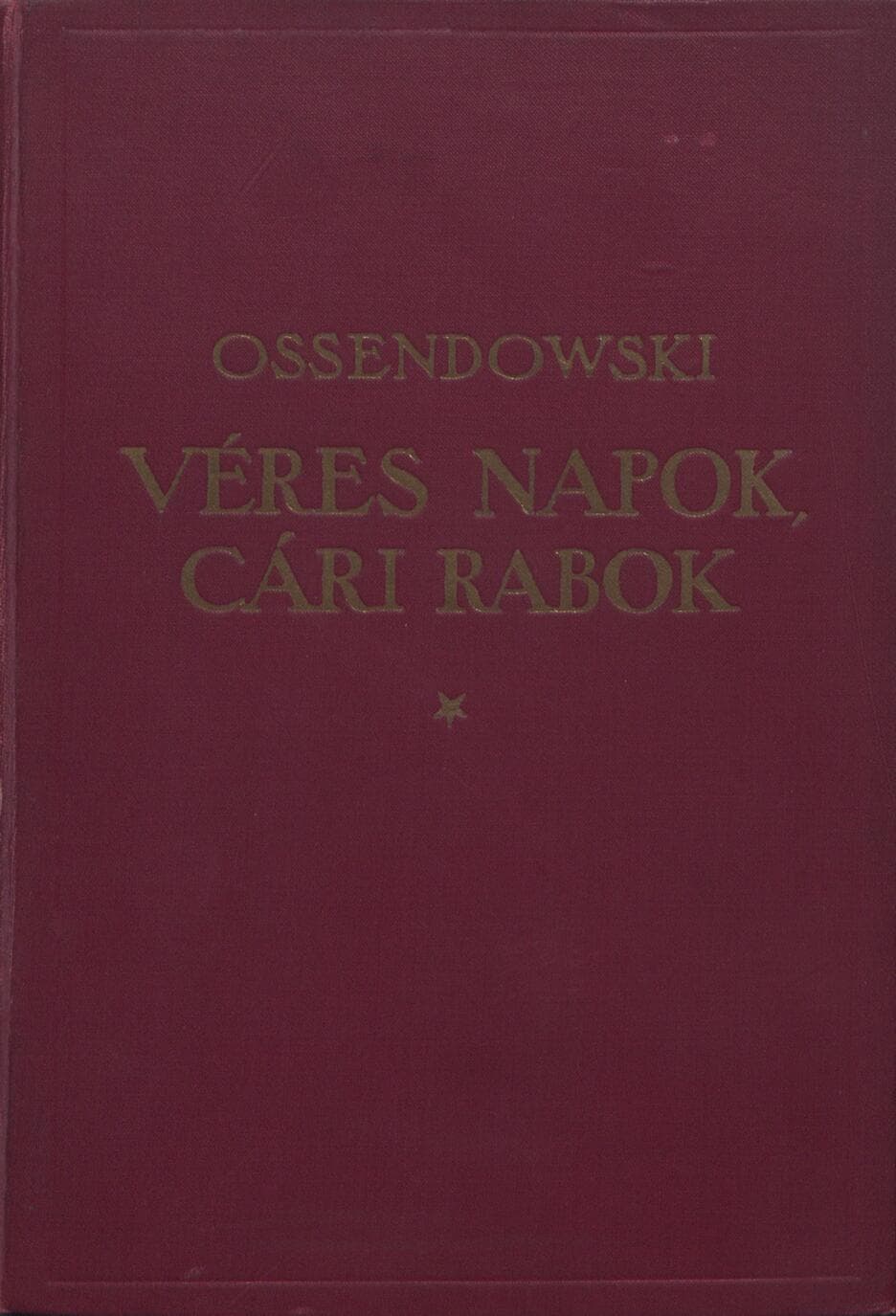
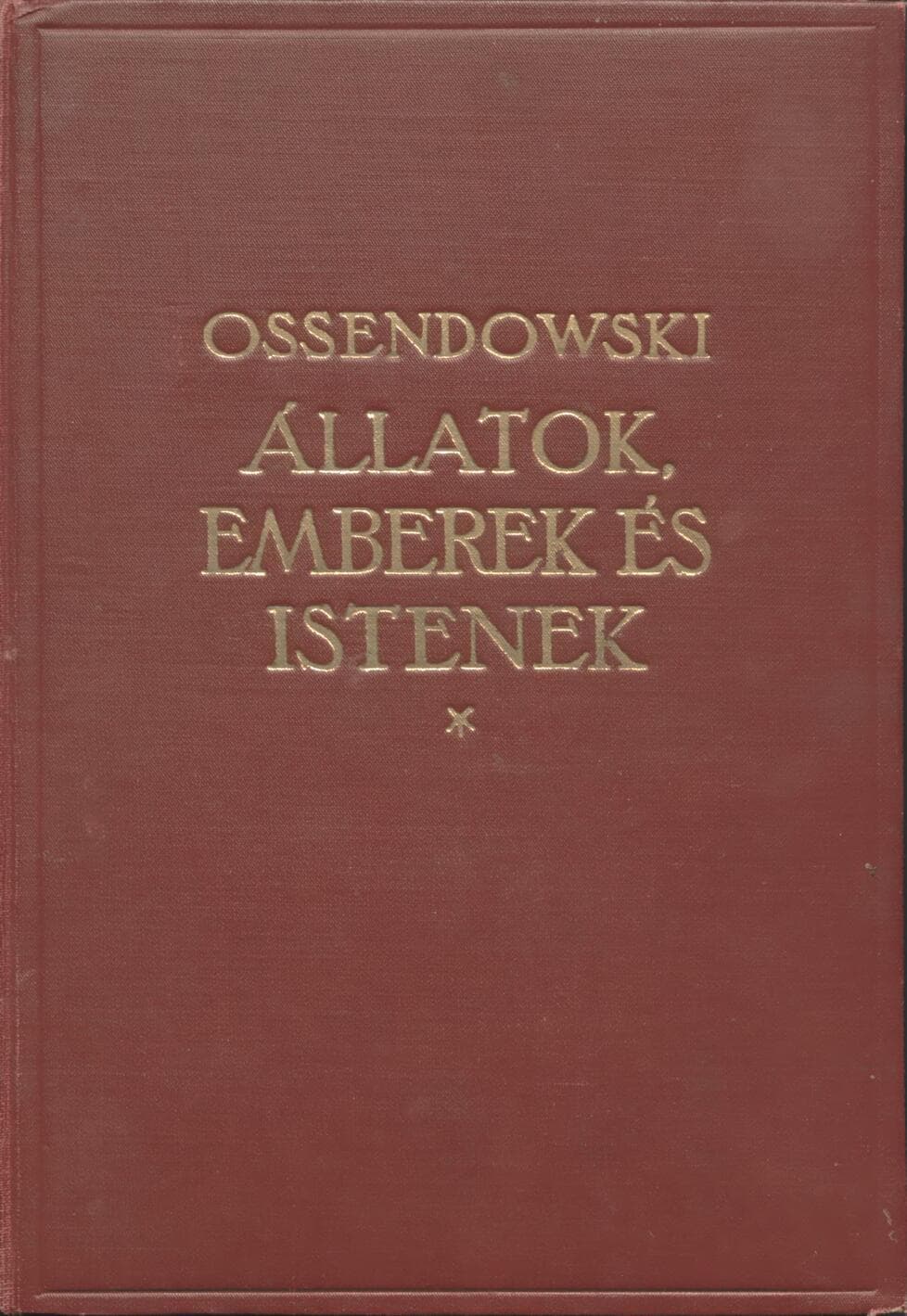



Link to this page
Add a free, dofollow link to Lex on your blog, forum, syllabus, or reading list.

<a href="https://lex-books.com/author/ferdynand-antoni-ossendowski"><img src="https://lex-books.com/badges/read-on-lex.svg" alt="Ferdynand Antoni Ossendowski on Lex" width="160" height="40"></a>[](https://lex-books.com/author/ferdynand-antoni-ossendowski)[url=https://lex-books.com/author/ferdynand-antoni-ossendowski][img]https://lex-books.com/badges/read-on-lex.svg[/img][/url]Ferdynand Antoni Ossendowski on Lex: https://lex-books.com/author/ferdynand-antoni-ossendowski