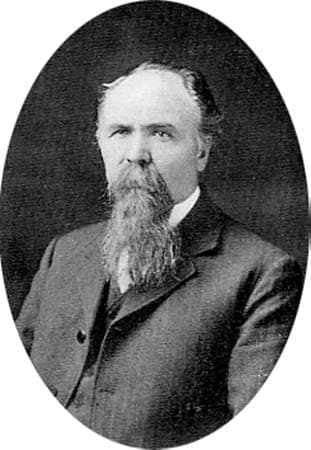
F. H. King
F. H. King was an influential American agricultural scientist and author, best known for his pioneering work in sustainable agriculture and soil conservation. Born in 1848, he dedicated his life to studying the relationship between farming practices and environmental health. King's most notable work, "Farmers of Forty Centuries: Organic Farming in China, Korea, and Japan," published in 1911, provided a comprehensive examination of traditional farming methods in East Asia, highlighting their sustainability and efficiency. This groundbreaking book not only documented agricultural practices but also served as a critique of Western industrial agriculture, advocating for a more harmonious relationship with the land. King's contributions extended beyond his writings; he was a prominent advocate for soil conservation and played a significant role in the early movements towards organic farming. His emphasis on the importance of maintaining soil health and biodiversity has had a lasting impact on agricultural practices and environmental policies. By bridging the gap between scientific research and practical farming, F. H. King left a legacy that continues to influence sustainable agriculture and environmental stewardship today.
Books from the author



Link to this page
Add a free, dofollow link to Lex on your blog, forum, syllabus, or reading list.

<a href="https://lex-books.com/author/f-h-king"><img src="https://lex-books.com/badges/read-on-lex.svg" alt="F. H. King on Lex" width="160" height="40"></a>[](https://lex-books.com/author/f-h-king)[url=https://lex-books.com/author/f-h-king][img]https://lex-books.com/badges/read-on-lex.svg[/img][/url]F. H. King on Lex: https://lex-books.com/author/f-h-king