
Evgenii Ivanovich Zamiatin
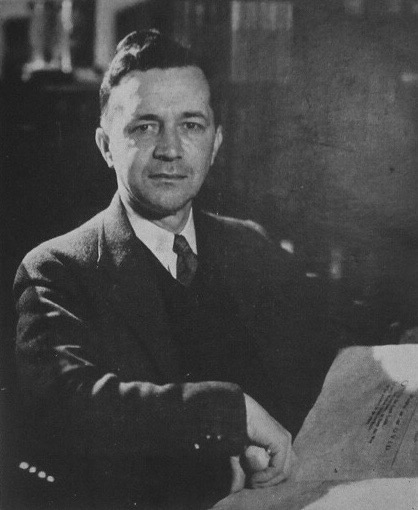
Evgenii Ivanovich Zamiatin was a pioneering Russian author known for his contributions to science fiction, philosophy, and political satire. Born into the family of a Russian Orthodox priest, Zamiatin's early disillusionment with faith led him to embrace Bolshevism. His political activism during the pre-Revolutionary period resulted in multiple arrests and exiles, reflecting his commitment to challenging oppressive regimes. However, his experiences with the Bolshevik regime after the October Revolution prompted him to critique the very system he once supported. Zamiatin's literary work became a vehicle for his dissent, as he sought to expose the dangers of totalitarianism and enforced conformity in Soviet society. His most notable work, the dystopian novel We, published in 1921, is often regarded as one of the first significant works of science fiction in the genre. The narrative, set in a future police state, explores themes of individuality versus collectivism, and its impact has been profound, influencing countless writers and thinkers. Zamiatin's courage in addressing controversial subjects and his role as an early dissident have solidified his legacy as a crucial figure in both Russian literature and the broader discourse on freedom and oppression in the 20th century.
Books from the author












Link to this page
Add a free, dofollow link to Lex on your blog, forum, syllabus, or reading list.

<a href="https://lex-books.com/author/evgenii-ivanovich-zamiatin"><img src="https://lex-books.com/badges/read-on-lex.svg" alt="Evgenii Ivanovich Zamiatin on Lex" width="160" height="40"></a>[](https://lex-books.com/author/evgenii-ivanovich-zamiatin)[url=https://lex-books.com/author/evgenii-ivanovich-zamiatin][img]https://lex-books.com/badges/read-on-lex.svg[/img][/url]Evgenii Ivanovich Zamiatin on Lex: https://lex-books.com/author/evgenii-ivanovich-zamiatin