Erwin Rosen
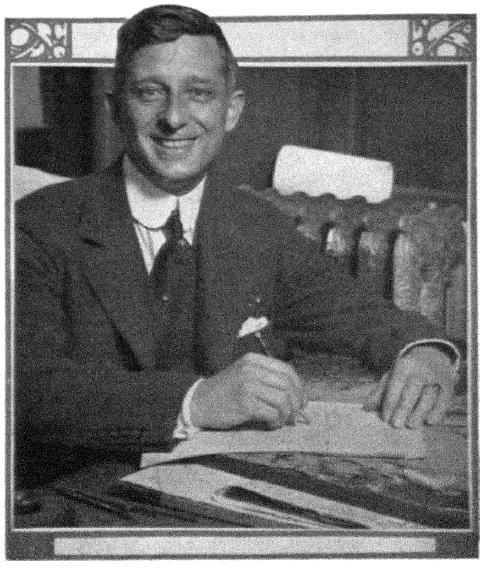
Erwin Rosen, born Erwin Carlé in Karlsruhe, was a German writer and journalist whose adventurous life informed his literary works. After a brief and tumultuous college experience in Munich, he was sent to the United States at the age of 19 to avoid family embarrassment. In America, he embraced a variety of jobs, from farmhand to journalist, and even served in the U.S. Army during the Spanish-American War. His experiences during this period inspired his novel 'Der deutsche Lausbub in Amerika,' which humorously chronicled the life of a German prankster navigating the challenges of American life. Rosen's life took another dramatic turn when he joined the French Foreign Legion in 1905, seeking to escape personal troubles. His two years of service, filled with hardship and adventure, culminated in the publication of 'In the Foreign Legion' in 1910, which offered a vivid account of his experiences. Through his writings, Rosen captured the essence of a restless spirit, reflecting on themes of identity and belonging. His unique perspective as an expatriate and soldier contributed to the literary landscape of his time, making him a notable figure in early 20th-century German literature. Despite his relatively short life, Rosen's works continue to resonate with those interested in the intersections of adventure, identity, and the immigrant experience.
Famous Quotes
View all 2 quotes“Die eitelste Mondaine verwendet auf ihre Gesamttoilette nicht so viel Zeit wie der Legionär zur »astiquage« seines Patronengürtels!”
“Die Sonne mag brennen, daß die Sinne wirbeln, vorwärts muß er.”
Books from the author




Link to this page
Add a free, dofollow link to Lex on your blog, forum, syllabus, or reading list.

<a href="https://lex-books.com/author/erwin-rosen"><img src="https://lex-books.com/badges/read-on-lex.svg" alt="Erwin Rosen on Lex" width="160" height="40"></a>[](https://lex-books.com/author/erwin-rosen)[url=https://lex-books.com/author/erwin-rosen][img]https://lex-books.com/badges/read-on-lex.svg[/img][/url]Erwin Rosen on Lex: https://lex-books.com/author/erwin-rosen