
Ernest Feydeau
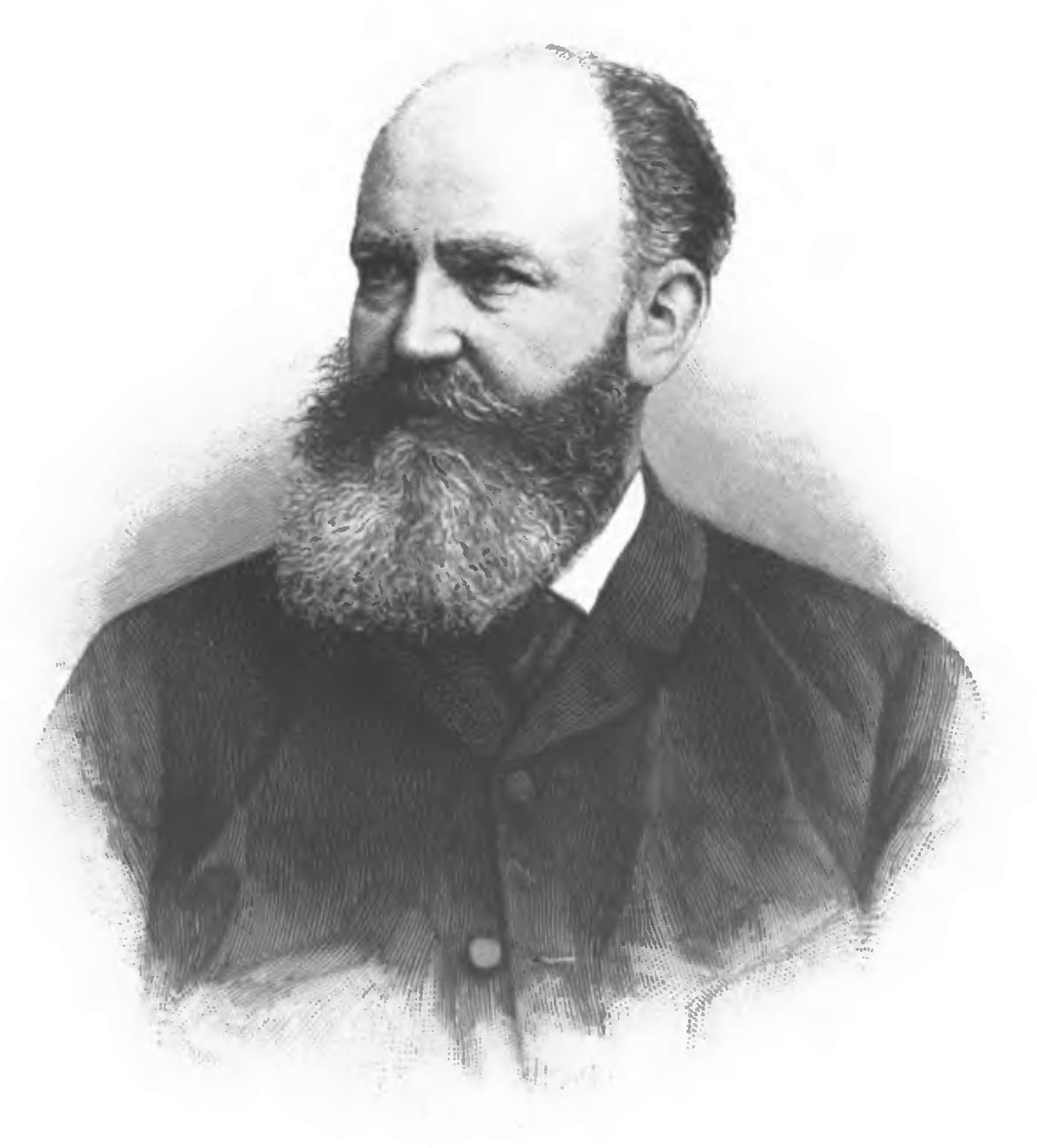
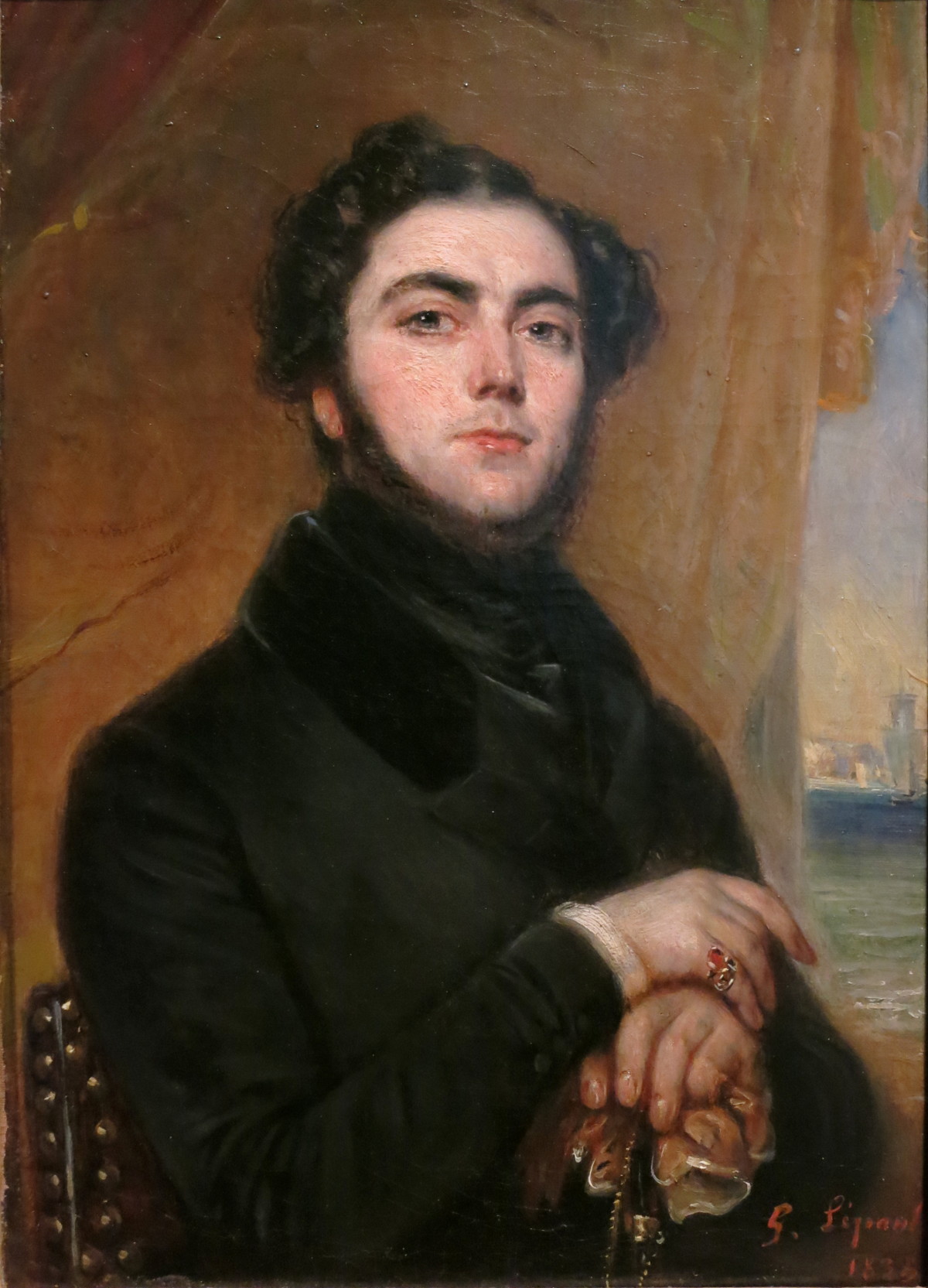
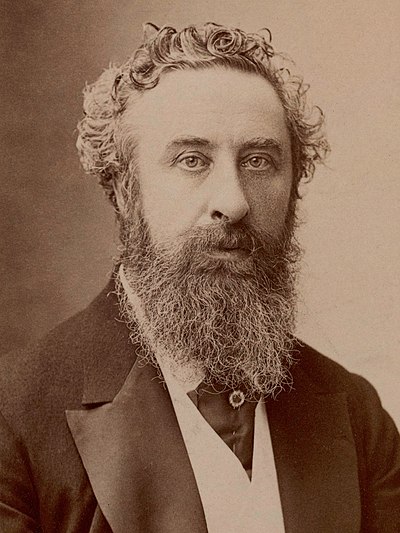
Ernest Feydeau was a prominent French writer known for his contributions to the genre of comedy in the 19th century. He gained recognition for his witty and satirical plays, which often explored themes of social norms and human folly. His most notable works include 'La Dame de chez Maxim' and 'Le Dindon,' which showcased his talent for farce and intricate plot twists. Feydeau's comedic style laid the groundwork for future generations of playwrights, particularly influencing his son, Georges Feydeau, who became one of the most celebrated figures in French theatre. Feydeau's significance in the literary world extends beyond his own works; he was a key figure in the development of the modern French farce. His ability to blend humor with critical observations of society allowed him to capture the complexities of human relationships and the absurdities of life. Despite his relatively short career, Feydeau's impact on the theatrical landscape was profound, and his plays remain a testament to his skill in crafting engaging and thought-provoking comedy. His legacy endures through the continued performance of his works and the influence he had on subsequent playwrights.
Books from the author

Link to this page
Add a free, dofollow link to Lex on your blog, forum, syllabus, or reading list.

<a href="https://lex-books.com/author/ernest-feydeau"><img src="https://lex-books.com/badges/read-on-lex.svg" alt="Ernest Feydeau on Lex" width="160" height="40"></a>[](https://lex-books.com/author/ernest-feydeau)[url=https://lex-books.com/author/ernest-feydeau][img]https://lex-books.com/badges/read-on-lex.svg[/img][/url]Ernest Feydeau on Lex: https://lex-books.com/author/ernest-feydeau