
Emilia Pardo Bazán
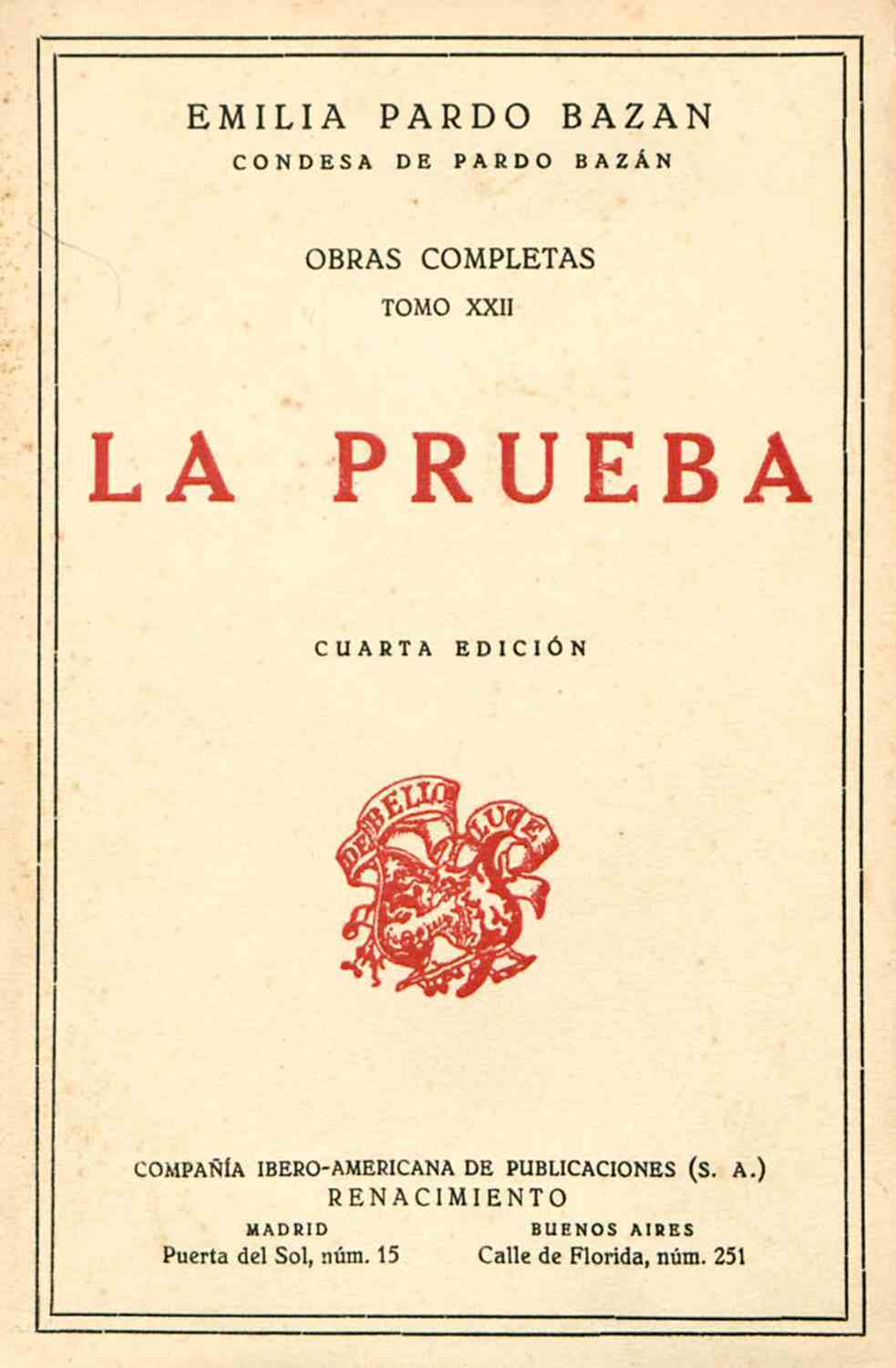
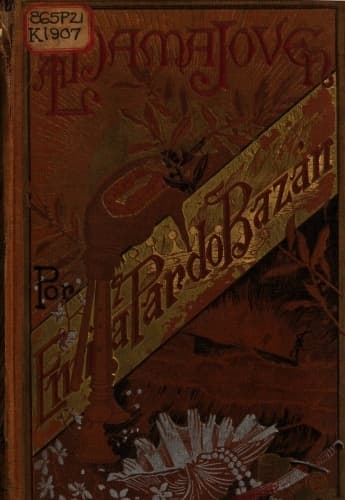
Emilia Pardo Bazán was a prominent Spanish novelist, essayist, and feminist who played a significant role in the literary landscape of the late 19th and early 20th centuries. Born into a noble family in Galicia, she was educated in a manner uncommon for women of her time, which fueled her passion for literature and social issues. Pardo Bazán became known for her advocacy of women's rights and her exploration of social themes, particularly through the lens of naturalism, a literary movement that sought to depict life with scientific accuracy and objectivity. Her most celebrated work, 'Los pazos de Ulloa,' is a naturalistic novel that delves into the complexities of rural life in Galicia, highlighting the struggles of its characters against the backdrop of societal decay and moral ambiguity. Throughout her career, Pardo Bazán wrote numerous novels, short stories, and essays, including 'La dama joven,' 'La prueba,' and 'Madre Naturaleza,' each reflecting her keen observations of human nature and society. Her stories often featured strong female protagonists, challenging the traditional gender roles of her era. Pardo Bazán's literary contributions were not only significant in their own right but also paved the way for future generations of women writers in Spain and beyond. Her legacy endures as a pioneering figure in Spanish literature, whose works continue to be studied for their innovative narrative techniques and profound social commentary.
Famous Quotes
View all 19 quotes“Señor, ¿por qué no han de tener las mujeres derecho para encontrar guapos a los hombres que lo sean, y por qué ha de mirarse mal que lo manifiesten? (...) Si no lo decimos, lo pensamos, y no hay nada mas peligroso que lo reprimido y oculto, lo que se queda dentro.””
“Sale a relucir aquello de las tres fieras, toro, torero y público; la primera, que se deja matar porque no tiene más remedio; la segunda, que cobra por matar; la tercera, que paga para que maten, de modo que viene a resultar más feroz.””
“La dictadura es como una aria y nunca llega a ser ópera.””
Books from the author


Link to this page
Add a free, dofollow link to Lex on your blog, forum, syllabus, or reading list.

<a href="https://lex-books.com/author/emilia-pardo-bazán"><img src="https://lex-books.com/badges/read-on-lex.svg" alt="Emilia Pardo Bazán on Lex" width="160" height="40"></a>[](https://lex-books.com/author/emilia-pardo-bazán)[url=https://lex-books.com/author/emilia-pardo-bazán][img]https://lex-books.com/badges/read-on-lex.svg[/img][/url]Emilia Pardo Bazán on Lex: https://lex-books.com/author/emilia-pardo-bazán