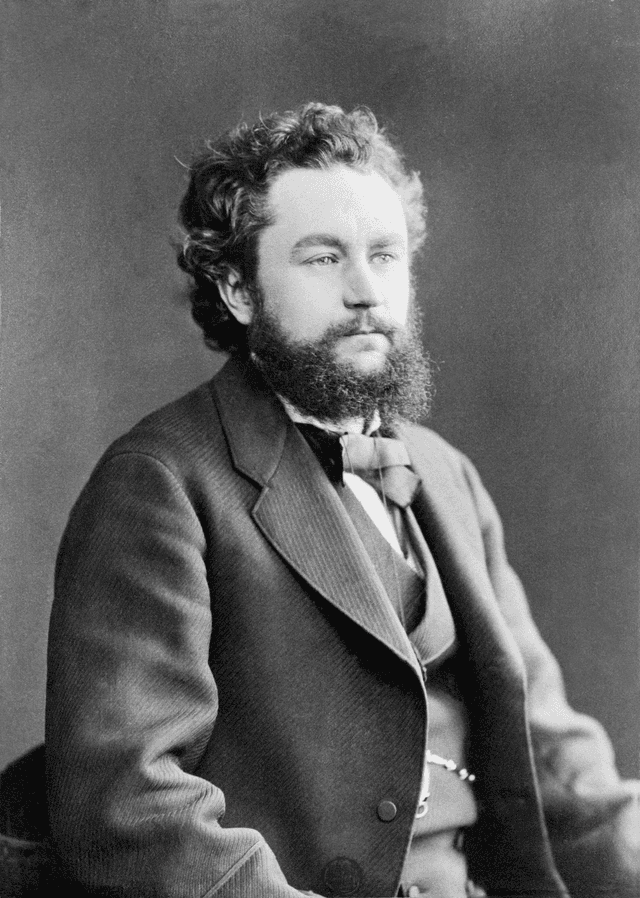
Emile Bergerat
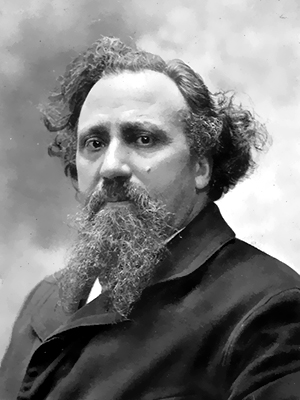
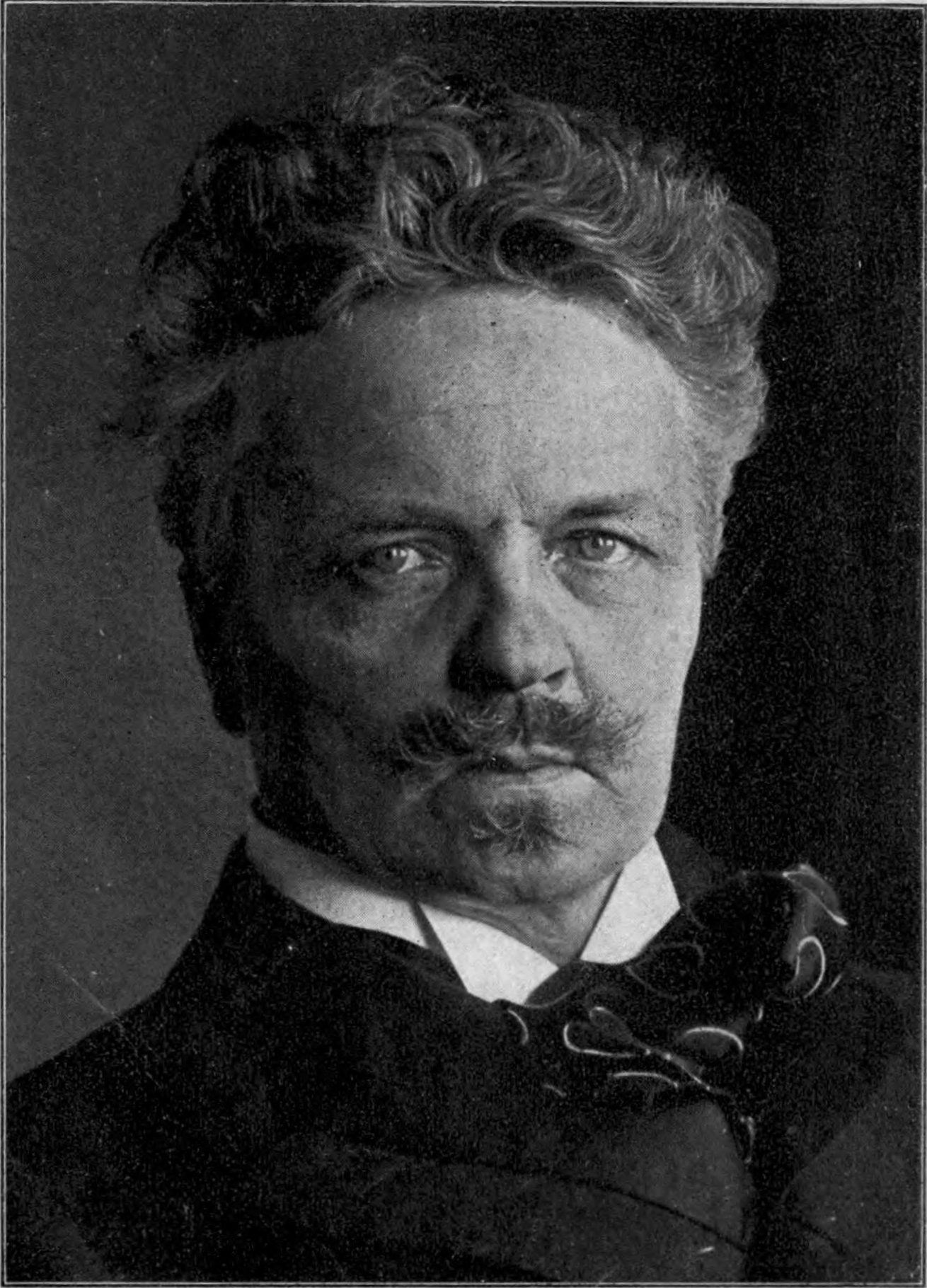
Émile Bergerat was a prominent French poet, playwright, and essayist known for his innovative contributions to literature in the late 19th and early 20th centuries. He often wrote under the pseudonyms l'Homme masqué, Caliban, and Ariel, drawing inspiration from Shakespeare's 'The Tempest.' Bergerat's works reflect a deep engagement with themes of identity and the human condition, showcasing his ability to blend poetic sensibility with dramatic narrative. His literary output includes a variety of plays and essays that explore the complexities of life and art, establishing him as a significant figure in the French literary scene of his time. In addition to his literary endeavors, Bergerat was also recognized for his role in the cultural life of Paris, contributing to the vibrant artistic community. His legacy is commemorated in part by a library in Neuilly-sur-Seine that bears his name, serving as a testament to his influence and the esteem in which he was held. Through his multifaceted works, Bergerat left an indelible mark on French literature, paving the way for future generations of writers to explore the depths of human experience.
Books from the author



Link to this page
Add a free, dofollow link to Lex on your blog, forum, syllabus, or reading list.

<a href="https://lex-books.com/author/emile-bergerat"><img src="https://lex-books.com/badges/read-on-lex.svg" alt="Emile Bergerat on Lex" width="160" height="40"></a>[](https://lex-books.com/author/emile-bergerat)[url=https://lex-books.com/author/emile-bergerat][img]https://lex-books.com/badges/read-on-lex.svg[/img][/url]Emile Bergerat on Lex: https://lex-books.com/author/emile-bergerat