Edwin Hatch
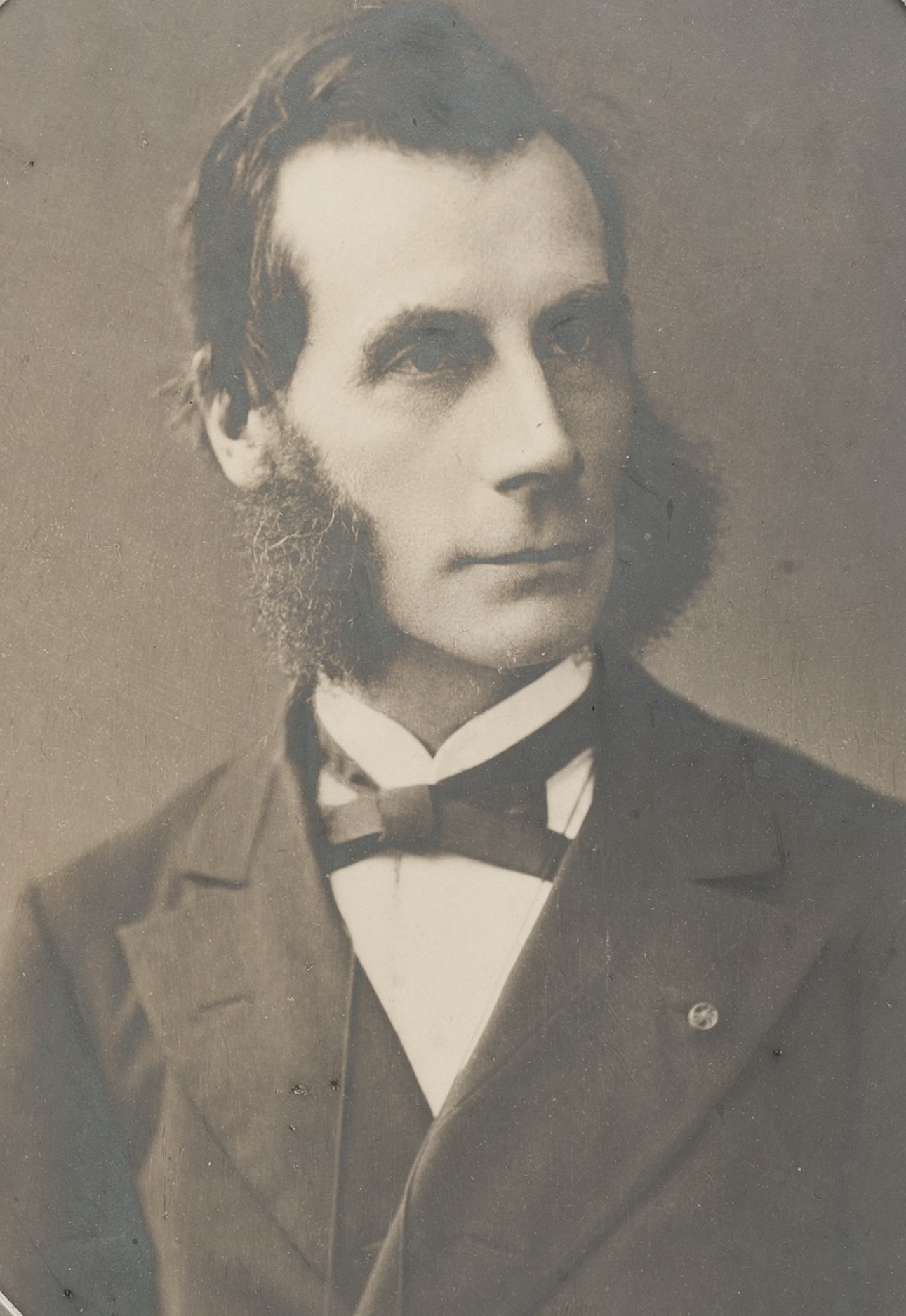
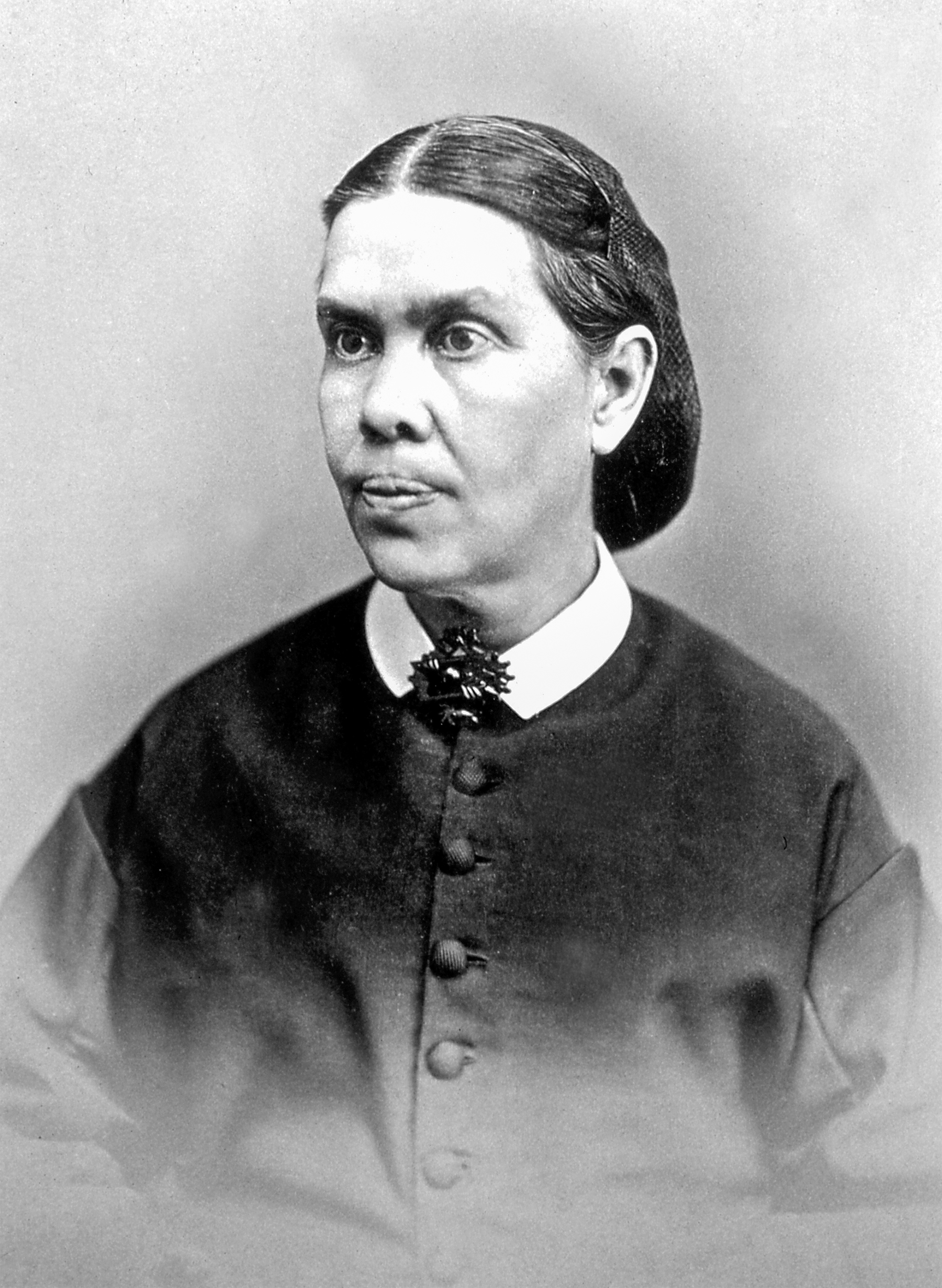
Edwin Hatch was an influential English theologian whose work bridged the realms of classical thought and Christian doctrine. Born in Derby, England, he spent much of his academic life in Oxford, where he made significant contributions to the study of early Christianity and its philosophical underpinnings. His most notable work, "Influence of Greek Ideas and Usages Upon the Christian Church," emerged from his 1888 Hibbert Lectures, exploring how Greek philosophy and culture shaped the development of Christian thought and practices. This book remains a critical reference for understanding the interplay between ancient ideas and religious evolution. In addition to his scholarly pursuits, Hatch is remembered for his contributions to hymnody, particularly for composing the hymn "Breathe on Me, Breath of God." His ability to synthesize theological insight with poetic expression reflects his deep engagement with both faith and intellect. Hatch's legacy endures through his writings, which continue to inspire theological discourse and provide insight into the historical context of Christianity's development in relation to classical philosophy.
Famous Quotes
View all 4 quotes“When the orders were opened after arrival in Virginia, it was found that the governing body in the Colony was made up of seven councilors. Edward Maria Wingfield, of gallant service in the Low Countries; Bartholomew Gosnold and Christopher Newport, both seasoned seamen and captains; John Ratcliffe, who piloted the to Virginia; John Martin, an earlier commander under Drake; John Smith, already an experienced adventurer; and George Kendall, a cousin of Sir Edwin Sandys who later was to play a dominant role in the Virginia Company.””
“In 1618 there were internal changes and dissensions in the Virginia Company that led to the resignation of Sir Thomas Smith, as Treasurer, and to the election of Sir Edwin Sandys as his successor.””
“His achievements were not come by easily. It was costly in life and in loss of personal freedoms. It was achieved with the full enforcement of the now famous "Dale laws." He moved quickly to punish deserters and law breakers. George Percy related the results in graphic terms. Some "in a moste severe manner [he] cawsed to be executed. Some he appointed to be hanged, some burned, some to be broken upon wheles, others to be staked and some to be shott to deathe; all theis extreme and crewell tortures he used and inflicted upon them to terrefy the reste for attemptinge the like...." These were stern measures that produced results and few of his contemporary associates took issue including John Rolfe, Ralph Hamor, Reverend Alexander Whitaker and even Sir Edwin Sandys. To them, motivated by the spirit of the time, hard conditions required stern handling.””
Books from the author


Link to this page
Add a free, dofollow link to Lex on your blog, forum, syllabus, or reading list.

<a href="https://lex-books.com/author/edwin-hatch"><img src="https://lex-books.com/badges/read-on-lex.svg" alt="Edwin Hatch on Lex" width="160" height="40"></a>[](https://lex-books.com/author/edwin-hatch)[url=https://lex-books.com/author/edwin-hatch][img]https://lex-books.com/badges/read-on-lex.svg[/img][/url]Edwin Hatch on Lex: https://lex-books.com/author/edwin-hatch