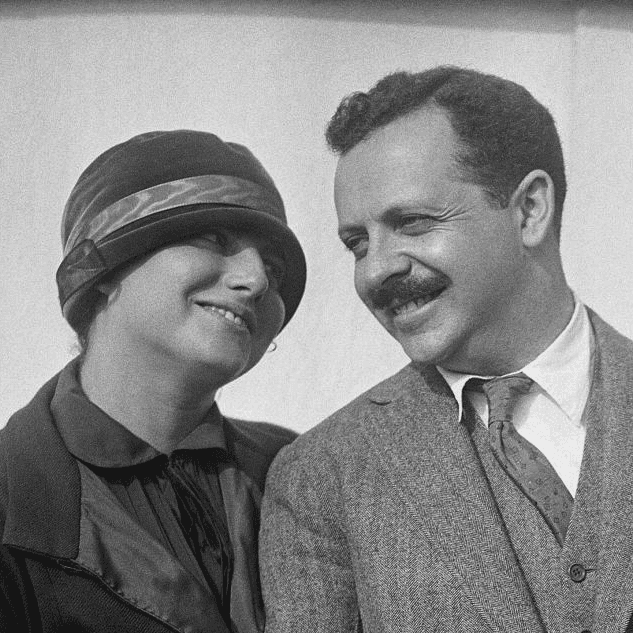
Edward L. Bernays
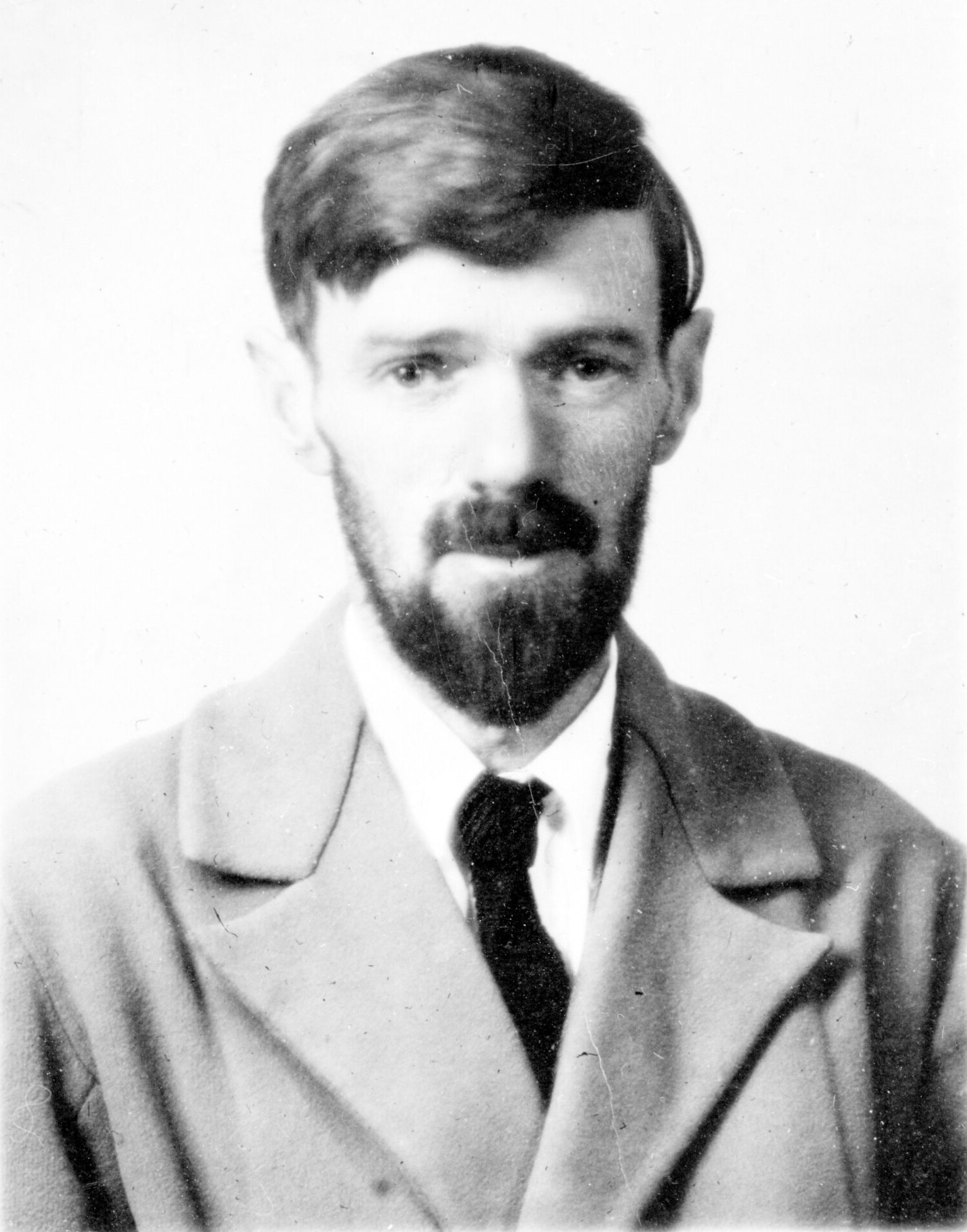
Edward L. Bernays was a pioneering figure in the field of public relations, often hailed as the 'father of public relations.' Born in Austria and later emigrating to the United States, Bernays utilized his understanding of psychology and mass communication to develop innovative strategies that shaped public perception. His most notable campaigns included the controversial promotion of female smoking in the 1929 'Torches of Freedom' initiative, which framed cigarettes as symbols of feminist liberation. This campaign exemplified his ability to manipulate social narratives, though it also raised ethical questions about the impact of such tactics on individual autonomy and societal values. Bernays' influence extended beyond consumer products; he played a significant role in shaping public opinion on political and social issues. His work with the United Fruit Company during the 1950s, particularly in relation to the CIA-backed coup in Guatemala, highlighted the darker aspects of his legacy. This involvement not only facilitated U.S. imperialism but also contributed to long-term civil unrest in the region. Throughout his career, Bernays worked with numerous corporations, government entities, and nonprofit organizations, leaving a complex legacy that continues to provoke discussion about the ethics of public relations and its role in democracy.
Famous Quotes
View all 3 quotes“The conscious and intelligent manipulation of the organized habits and opinions of the masses is an important element in democratic society. Those who manipulate this unseen mechanism of society constitute an invisible government which is the true ruling power of our country. ...We are governed, our minds are molded, our tastes formed, our ideas suggested, largely by men we have never heard of. This is a logical result of the way in which our democratic society is organized. Vast numbers of human beings must cooperate in this manner if they are to live together as a smoothly functioning society. ...In almost every act of our daily lives, whether in the sphere of politics or business, in our social conduct or our ethical thinking, we are dominated by the relatively small number of persons...who understand the mental processes and social patterns of the masses. It is they who pull the wires which control the public mind.”
“Men (people) are rarely aware of the real reasons which motivate their actions.”
“The great enemy of any attempt to change men's habits is inertia. Civilization is limited by intertia.”
Books from the author




Link to this page
Add a free, dofollow link to Lex on your blog, forum, syllabus, or reading list.

<a href="https://lex-books.com/author/edward-l-bernays"><img src="https://lex-books.com/badges/read-on-lex.svg" alt="Edward L. Bernays on Lex" width="160" height="40"></a>[](https://lex-books.com/author/edward-l-bernays)[url=https://lex-books.com/author/edward-l-bernays][img]https://lex-books.com/badges/read-on-lex.svg[/img][/url]Edward L. Bernays on Lex: https://lex-books.com/author/edward-l-bernays