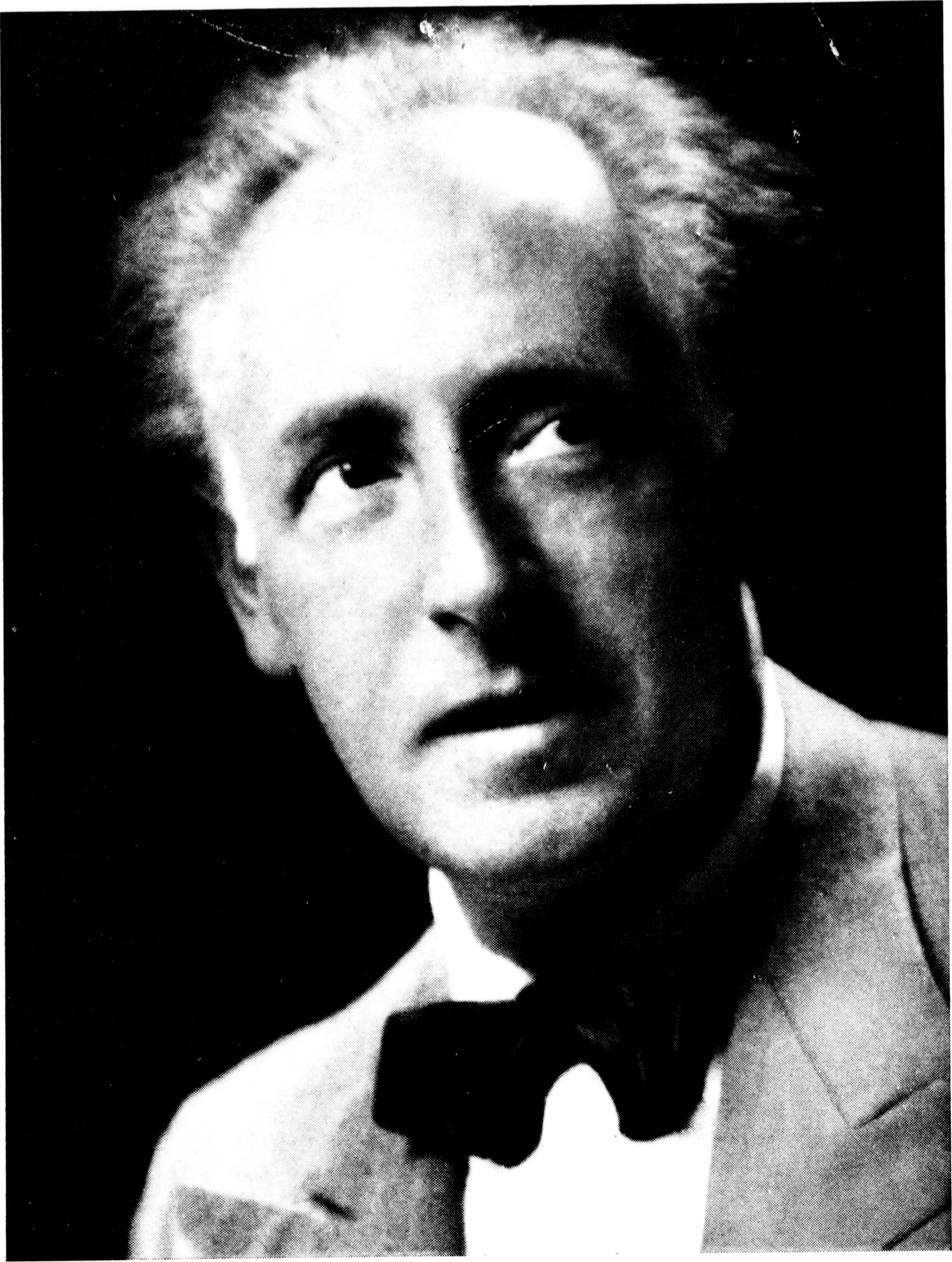
Edmund Callis Berkeley
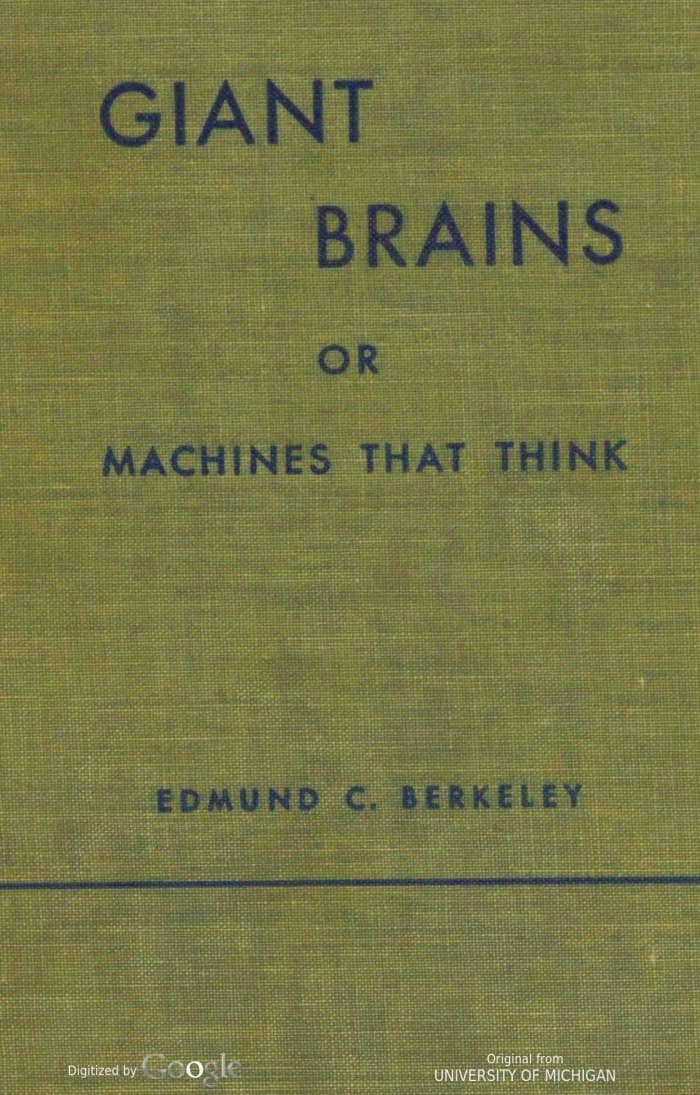
Edmund Callis Berkeley was an influential American computer scientist and social activist, known for his pioneering contributions to the field of computing. In 1947, he co-founded the Association for Computing Machinery (ACM), an organization that played a crucial role in advancing computer science as a discipline. His 1949 book, "Giant Brains, or Machines That Think," was significant in shaping public perception of computers, presenting them as intelligent entities capable of processing information and performing tasks that mimicked human thought. This work helped to popularize the concept of artificial intelligence long before it became a mainstream topic in technology discussions. Beyond his contributions to computing, Berkeley was also deeply committed to social issues, particularly in the context of the Cold War. He actively advocated for measures to reduce the threat of nuclear war, reflecting his belief in the ethical responsibilities of scientists and technologists. His dual legacy as a pioneer in computer science and a passionate advocate for peace underscores the impact of his work on both technology and society, making him a notable figure in the history of computing and social activism.
Books from the author







Link to this page
Add a free, dofollow link to Lex on your blog, forum, syllabus, or reading list.

<a href="https://lex-books.com/author/edmund-callis-berkeley"><img src="https://lex-books.com/badges/read-on-lex.svg" alt="Edmund Callis Berkeley on Lex" width="160" height="40"></a>[](https://lex-books.com/author/edmund-callis-berkeley)[url=https://lex-books.com/author/edmund-callis-berkeley][img]https://lex-books.com/badges/read-on-lex.svg[/img][/url]Edmund Callis Berkeley on Lex: https://lex-books.com/author/edmund-callis-berkeley