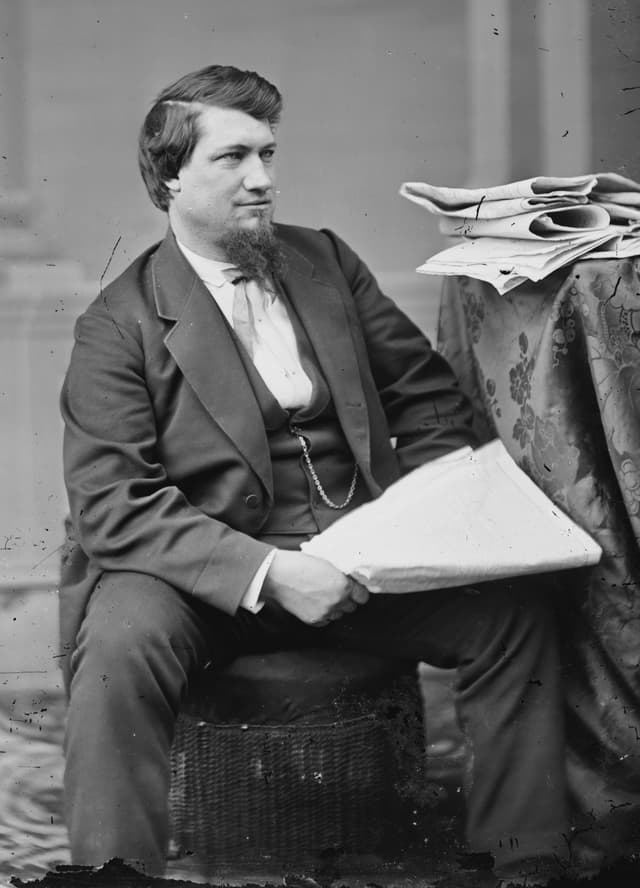
David Ross Locke
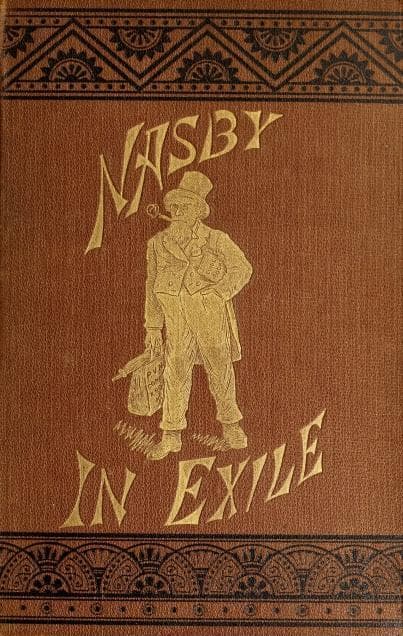
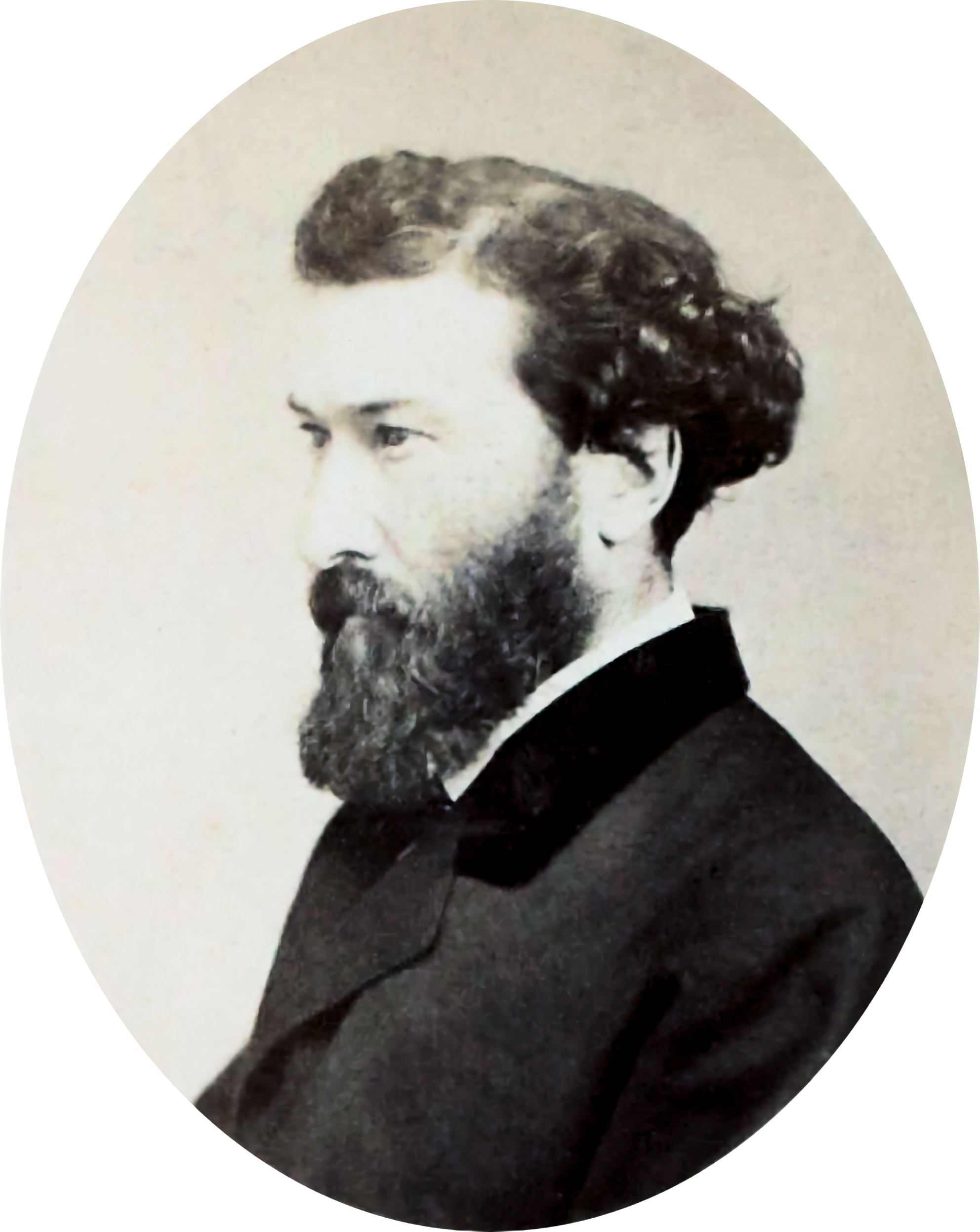
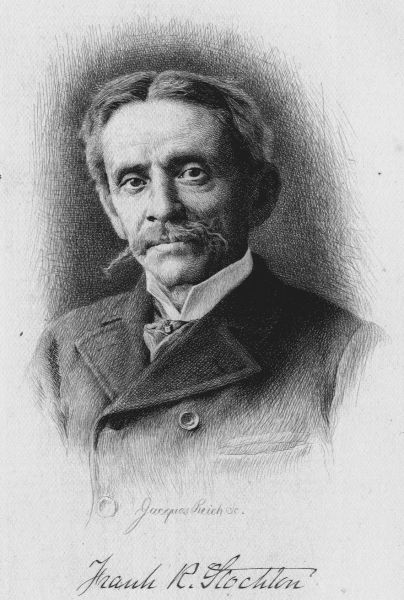
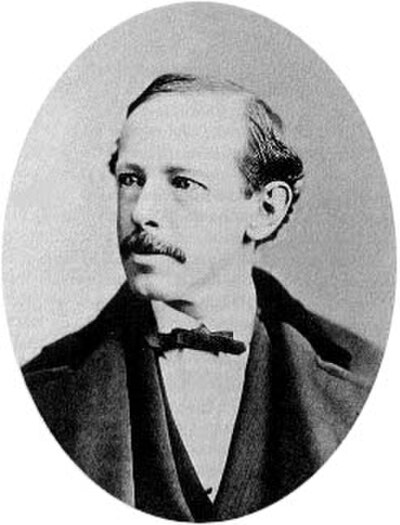
David Ross Locke, known by his pen name Petroleum V. Nasby, was an influential American journalist and political commentator during the tumultuous years surrounding the American Civil War. Born in 1833, Locke began his career in journalism, where he developed a distinctive voice that combined humor with sharp political insight. His writings often took the form of satirical letters, which he purportedly penned from the perspective of a fictional character, Petroleum V. Nasby, a bumbling but well-meaning resident of the Midwest. This unique approach allowed him to critique contemporary political issues while engaging a broad audience. Locke's most notable works include his collection of letters published under the Nasby pseudonym, which addressed pressing social and political matters of his time, including the abolition of slavery and the challenges of Reconstruction. His ability to blend satire with serious commentary made him a significant figure in American journalism, influencing public opinion and the political landscape. Locke's legacy as a pioneer of political satire endures, as he paved the way for future generations of writers who sought to use humor as a tool for social critique and political discourse.
Books from the author






Link to this page
Add a free, dofollow link to Lex on your blog, forum, syllabus, or reading list.

<a href="https://lex-books.com/author/david-ross-locke"><img src="https://lex-books.com/badges/read-on-lex.svg" alt="David Ross Locke on Lex" width="160" height="40"></a>[](https://lex-books.com/author/david-ross-locke)[url=https://lex-books.com/author/david-ross-locke][img]https://lex-books.com/badges/read-on-lex.svg[/img][/url]David Ross Locke on Lex: https://lex-books.com/author/david-ross-locke