
Concha Espina
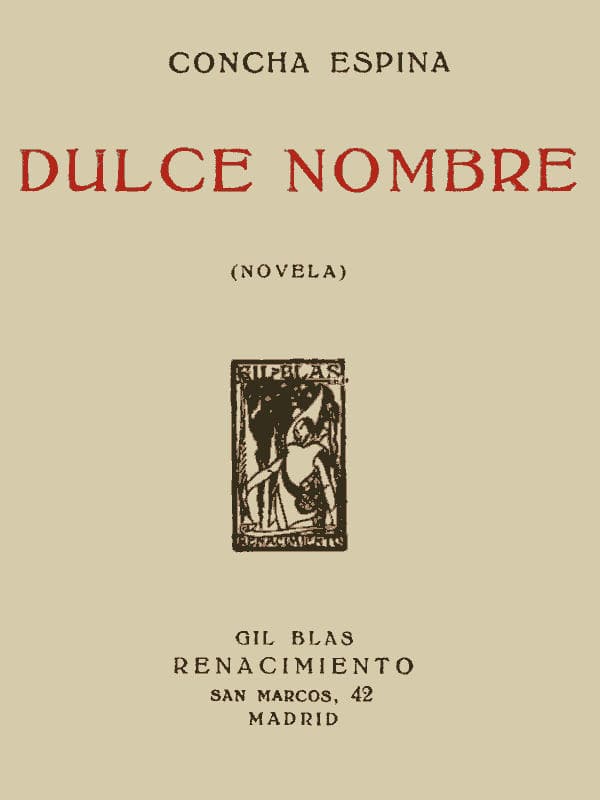
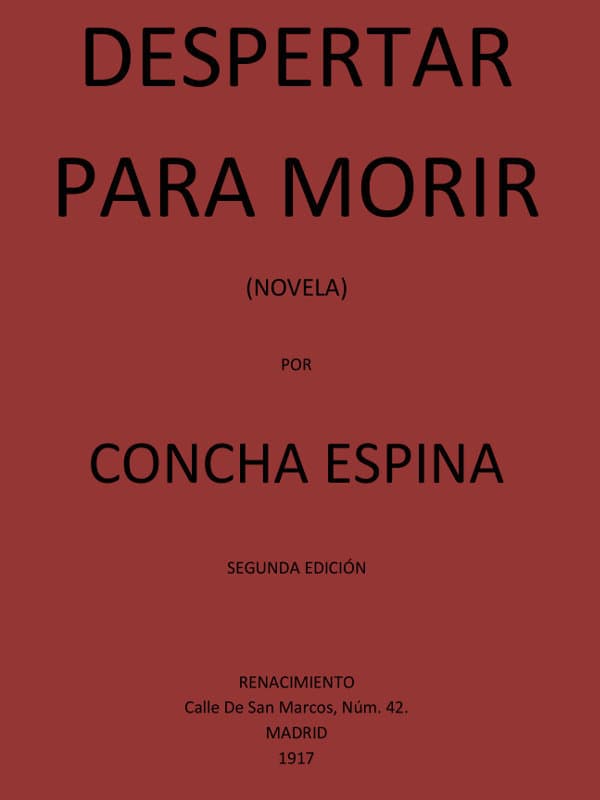
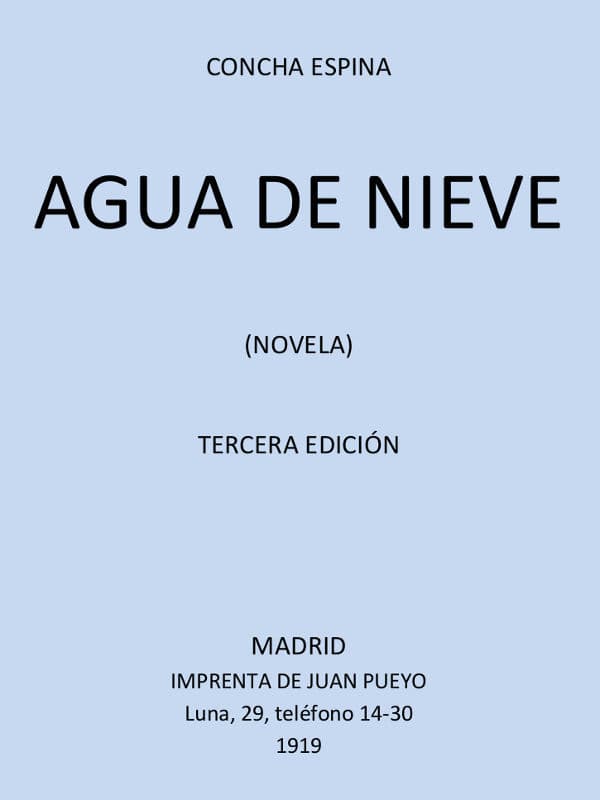
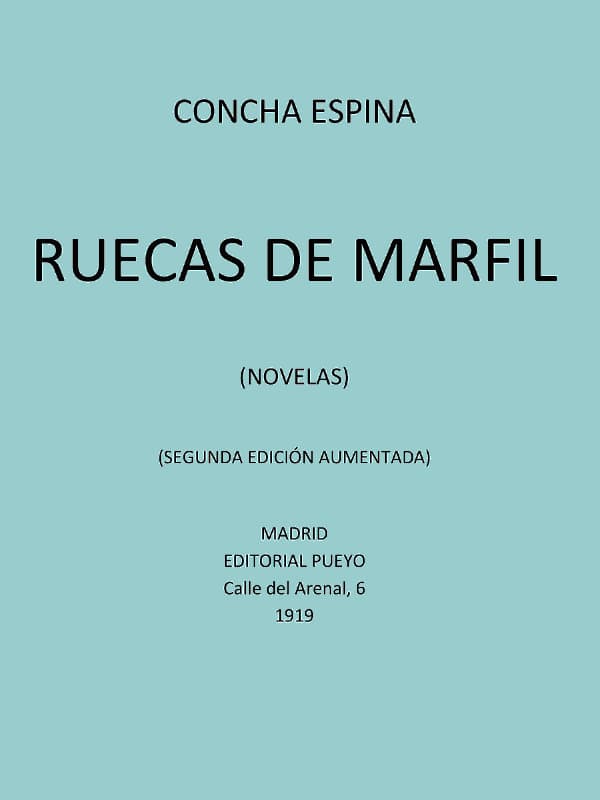
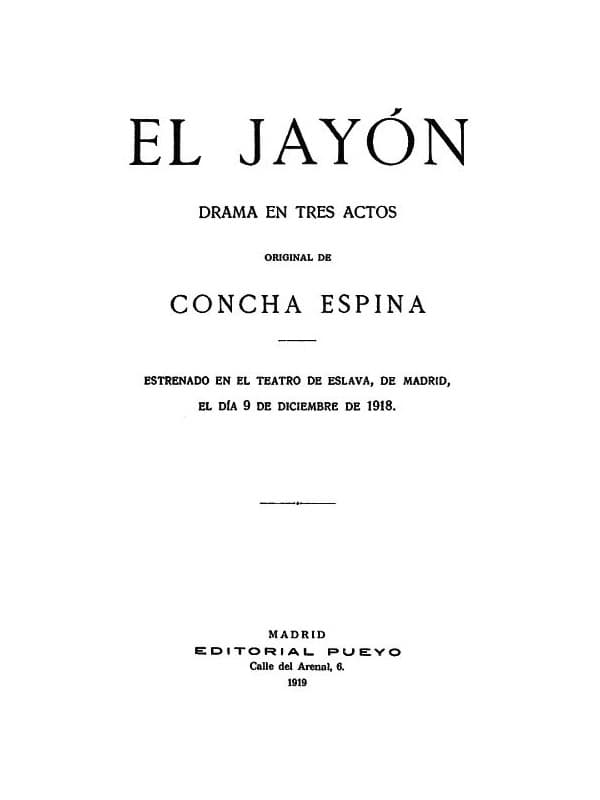
Concha Espina was a prominent Spanish writer known for her profound contributions to literature in the early 20th century. Born in Santander, she began her literary career at a young age, eventually becoming a significant voice in Spanish literature. Espina's works often explored themes of social justice, identity, and the struggles of women in a patriarchal society. Her notable novels, such as 'La niña de la lámpara' and 'El metal de los muertos,' showcased her ability to weave intricate narratives that reflected the complexities of human experience and societal issues. Espina's literary significance is underscored by her remarkable achievement of being nominated for the Nobel Prize in Literature 25 times over 28 years, a testament to her impact and recognition in the literary world. Her writing not only enriched Spanish literature but also paved the way for future generations of female authors. Concha Espina's legacy endures as a pioneering figure who challenged conventions and brought attention to the voices of the marginalized, leaving an indelible mark on the cultural landscape of Spain.
Books from the author






Link to this page
Add a free, dofollow link to Lex on your blog, forum, syllabus, or reading list.

<a href="https://lex-books.com/author/concha-espina"><img src="https://lex-books.com/badges/read-on-lex.svg" alt="Concha Espina on Lex" width="160" height="40"></a>[](https://lex-books.com/author/concha-espina)[url=https://lex-books.com/author/concha-espina][img]https://lex-books.com/badges/read-on-lex.svg[/img][/url]Concha Espina on Lex: https://lex-books.com/author/concha-espina