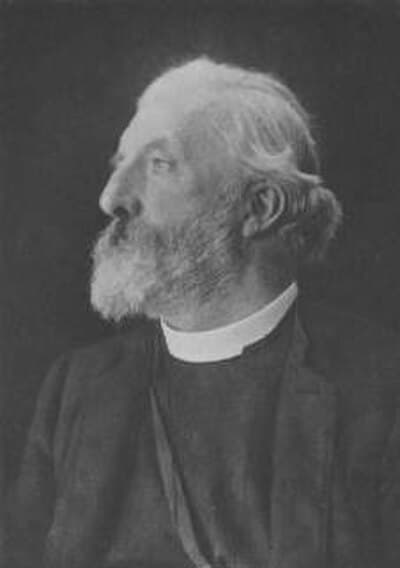
Charles William Stubbs
Charles William Stubbs was an influential English clergyman known for his progressive views on social issues and theology. Born in Liverpool, he received his education at the Liverpool Collegiate Institution and Sidney Sussex College, Cambridge. Throughout his career, Stubbs held several notable positions, including rector at Wavertree and Granborough, and served as Dean of Ely from 1894 to 1906. His commitment to the working classes and liberal political beliefs distinguished him within the Anglican Church, where he advocated for social reform and inclusivity. In 1906, Stubbs was appointed the fourth Bishop of Truro, a role that allowed him to further his vision of a more socially conscious church. His leadership was marked by a dedication to addressing the needs of the community and promoting a more compassionate approach to faith. Stubbs's legacy is reflected in his contributions to both the church and society, as he sought to bridge the gap between religious practice and social responsibility, leaving an enduring impact on the Anglican tradition and its engagement with contemporary issues.
Famous Quotes
View all 1 quotes“To sit alone with my conscience will be judgment enough for me.”
Books from the author



Link to this page
Add a free, dofollow link to Lex on your blog, forum, syllabus, or reading list.

<a href="https://lex-books.com/author/charles-william-stubbs"><img src="https://lex-books.com/badges/read-on-lex.svg" alt="Charles William Stubbs on Lex" width="160" height="40"></a>[](https://lex-books.com/author/charles-william-stubbs)[url=https://lex-books.com/author/charles-william-stubbs][img]https://lex-books.com/badges/read-on-lex.svg[/img][/url]Charles William Stubbs on Lex: https://lex-books.com/author/charles-william-stubbs