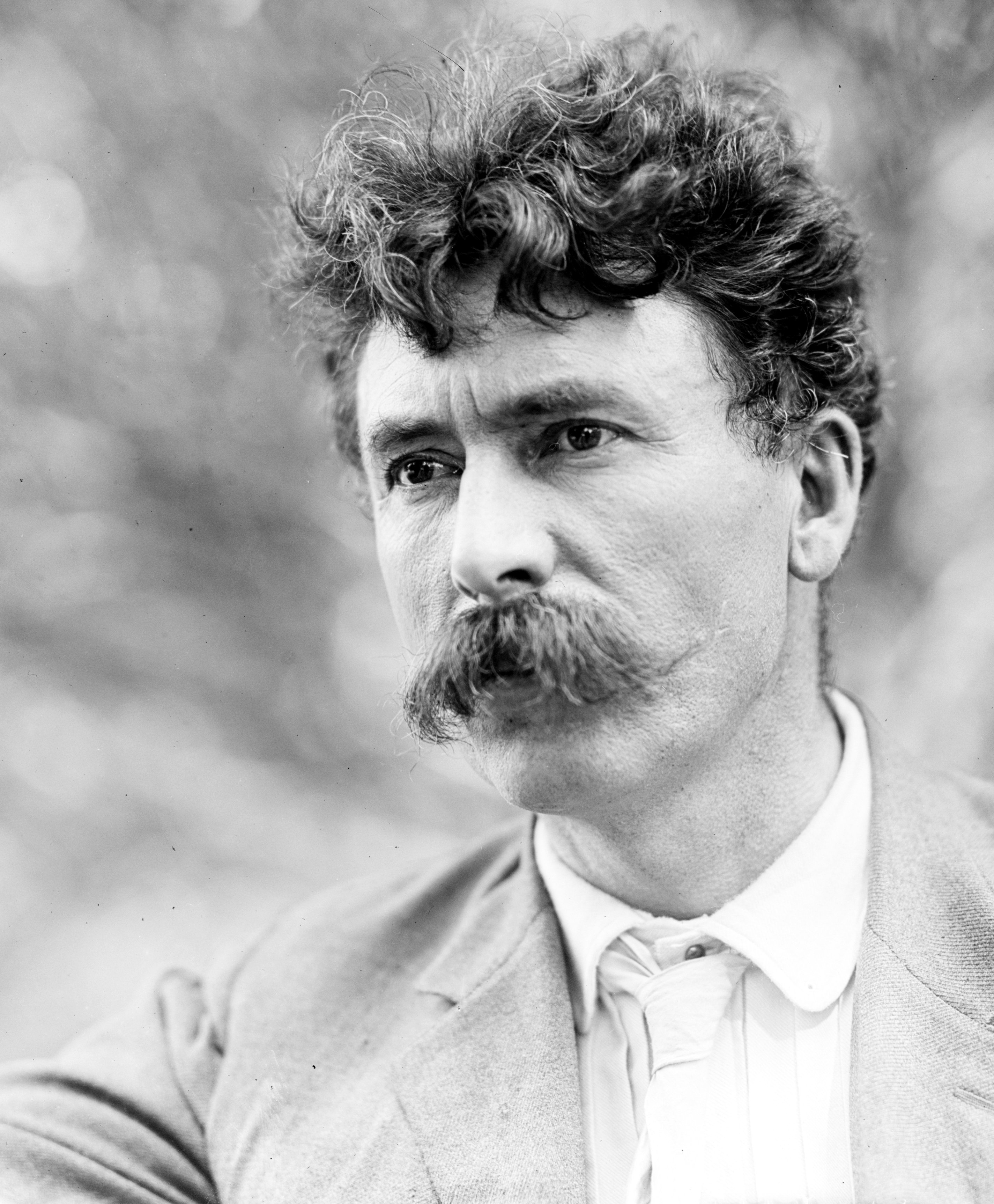
Charles Dixon
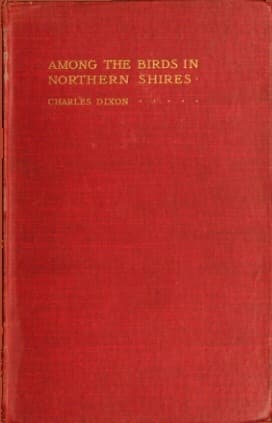
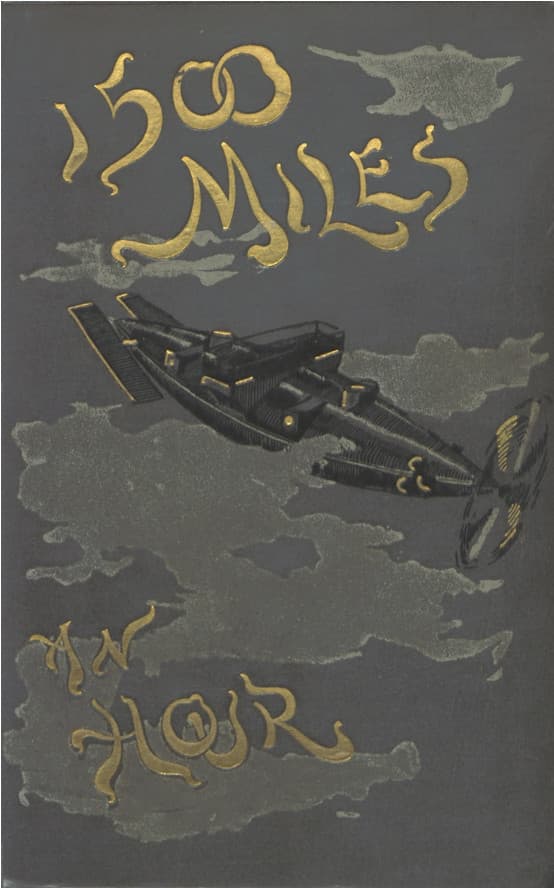
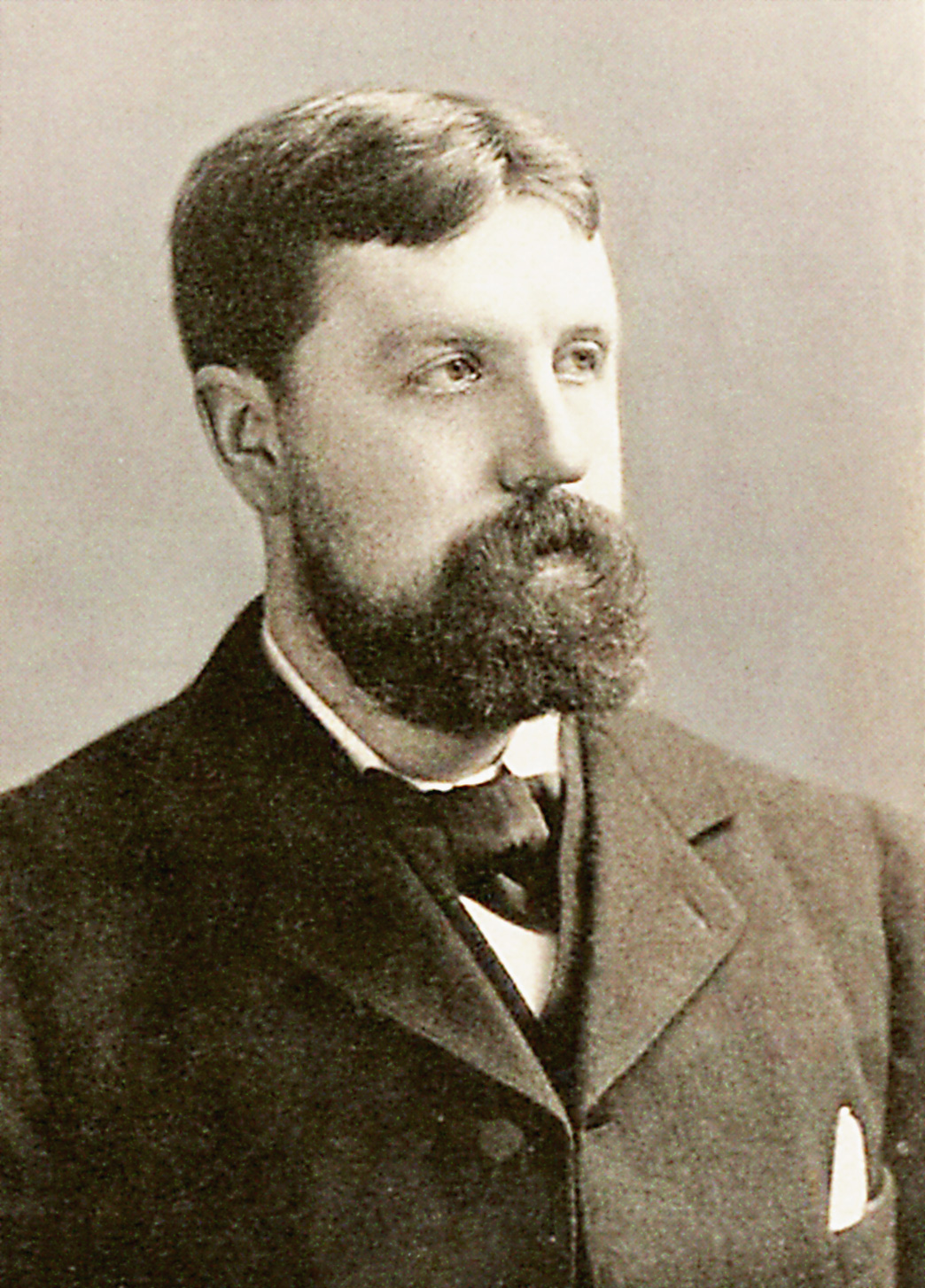
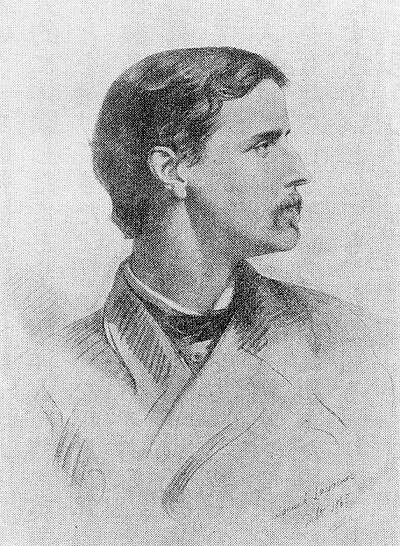
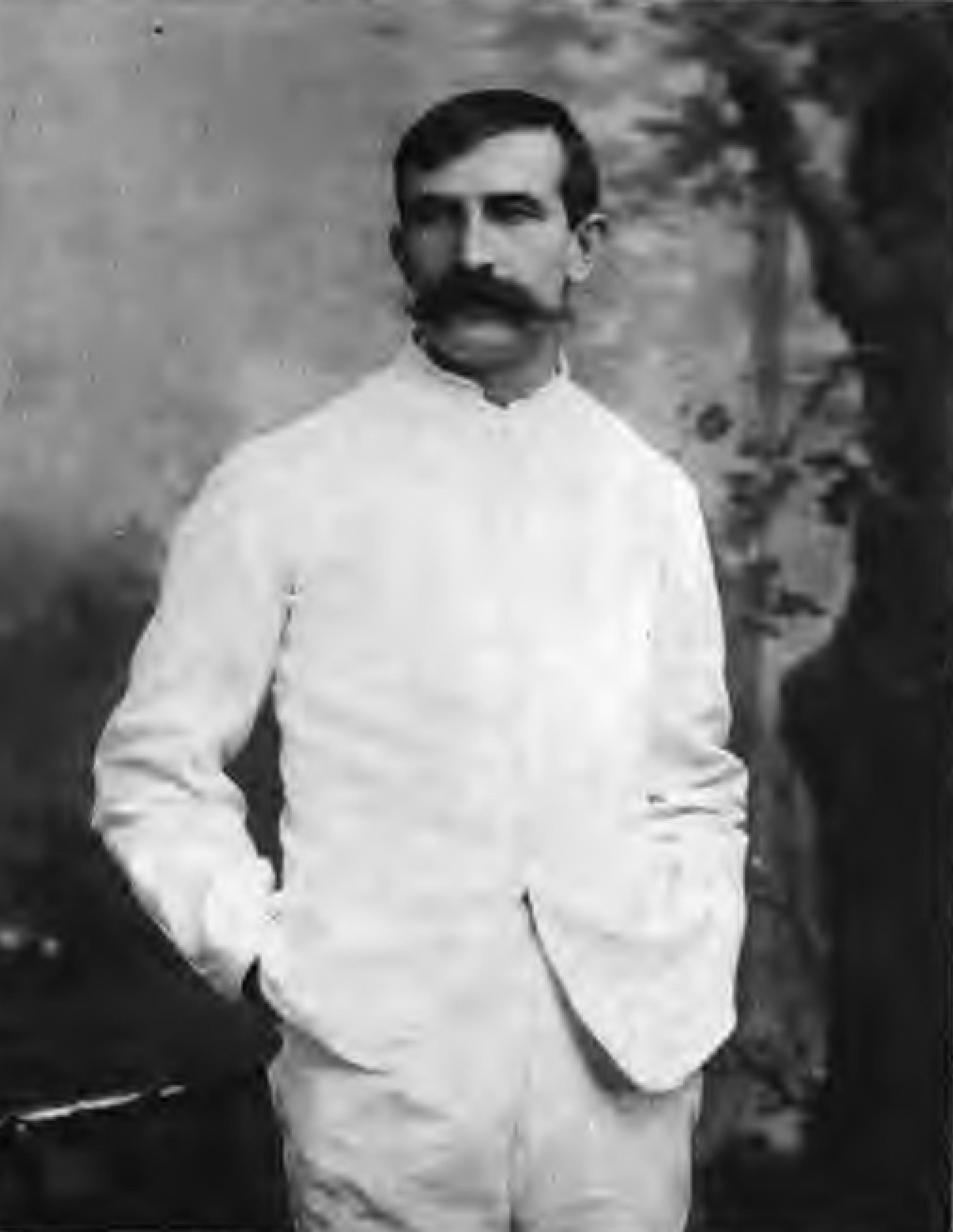
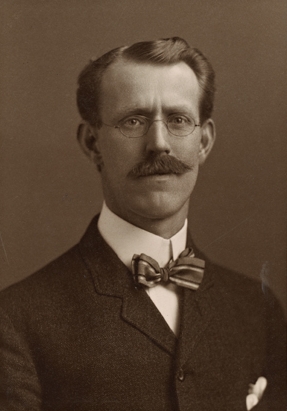
Charles Dixon was a British ornithologist and author, renowned for his detailed observations and writings on avian life. Born in 1858, he developed a profound interest in birds that would shape his career and literary output. His notable works, such as 'British Sea Birds' and 'Among the Birds in Northern Shires,' reflect his deep commitment to documenting the diverse bird species found across the British Isles. Dixon's meticulous research and vivid descriptions not only served as a guide for birdwatchers but also contributed significantly to the field of ornithology during his time. In addition to his ornithological writings, Dixon's work 'Fifteen Hundred Miles an Hour' showcases his fascination with aviation, illustrating the intersection of nature and technology in the early 20th century. His ability to convey the beauty and complexity of bird life, alongside his insights into the advancements of his era, solidified his reputation as a significant figure in both natural history and literature. Dixon's legacy endures through his contributions to the understanding of British wildlife and his influence on future generations of naturalists and writers.
Famous Quotes
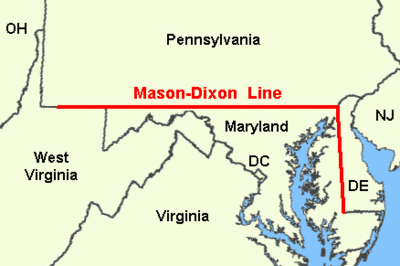
View all 1 quotes“Look to the Southeast, where, as Taylor has noted, “colonial societies sustained a slave system more oppressive than anything practiced in Europe” and “the slave-owners relied on Indians to catch runaways.” There, too, the native groups, descended from Mississippian societies, were far more hierarchical and autocratically ruled than the Algonkian- and Iroquoian-speaking groups in the Northeast. As Gallay has documented, indigenous societies cooperated fully with the slave-trading system, sending war captives to colonists for sale overseas. In the Northeast, by contrast, the Wendat (Huron) and Haudenosaunee either killed or, more common, adopted captives; involuntary servitude, though it occurred, was strikingly rarer. On the map, the division line between slave and non-slave societies occurs in Virginia, broadly anticipating the Mason-Dixon line that later split slave states from free. The repeated pattern doubtless has to do with geography”
Books from the author



Link to this page
Add a free, dofollow link to Lex on your blog, forum, syllabus, or reading list.

<a href="https://lex-books.com/author/charles-dixon"><img src="https://lex-books.com/badges/read-on-lex.svg" alt="Charles Dixon on Lex" width="160" height="40"></a>[](https://lex-books.com/author/charles-dixon)[url=https://lex-books.com/author/charles-dixon][img]https://lex-books.com/badges/read-on-lex.svg[/img][/url]Charles Dixon on Lex: https://lex-books.com/author/charles-dixon