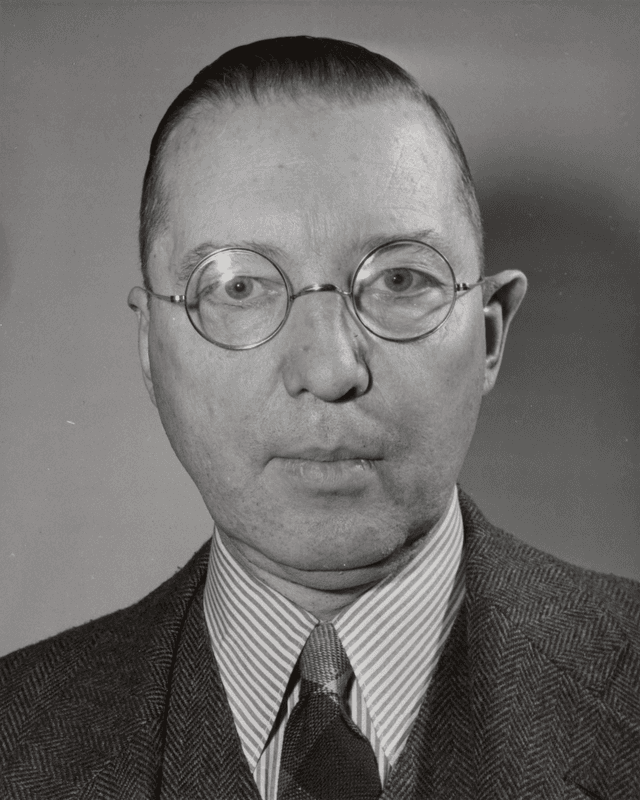
Carl W. Ackerman
Carl W. Ackerman was an American journalist and author, recognized for his insightful analysis of political and social issues during the early to mid-20th century. He gained prominence for his work as a correspondent in Europe, particularly during the tumultuous years surrounding World War II. Ackerman's writings often reflected his deep understanding of the complexities of international relations and the socio-political landscape of Germany in the aftermath of the war. His notable work, 'Germany, the Next Republic?', published in 1945, examined the potential for democratic governance in post-Nazi Germany, offering a critical perspective on the challenges and opportunities facing the nation as it sought to rebuild itself. Ackerman's contributions to journalism and literature were significant, as he provided a voice for the evolving political discourse of his time. His ability to articulate the nuances of German society and politics made his work relevant not only to contemporaries but also to future generations studying the period. Through his writings, Ackerman left a lasting impact on the understanding of post-war Germany and the broader implications for democracy in Europe, marking him as an important figure in 20th-century American journalism and literature.
Books from the author



Link to this page
Add a free, dofollow link to Lex on your blog, forum, syllabus, or reading list.

<a href="https://lex-books.com/author/carl-w-ackerman"><img src="https://lex-books.com/badges/read-on-lex.svg" alt="Carl W. Ackerman on Lex" width="160" height="40"></a>[](https://lex-books.com/author/carl-w-ackerman)[url=https://lex-books.com/author/carl-w-ackerman][img]https://lex-books.com/badges/read-on-lex.svg[/img][/url]Carl W. Ackerman on Lex: https://lex-books.com/author/carl-w-ackerman