What would you like to read?Search books, authors, genres, shelves, users...
Search books, authors, genres, shelves, users...Search books, authors, genres, shelves, users...

What would you like to read?Search books, authors, genres, shelves, users...
Search books, authors, genres, shelves, users...Search books, authors, genres, shelves, users...
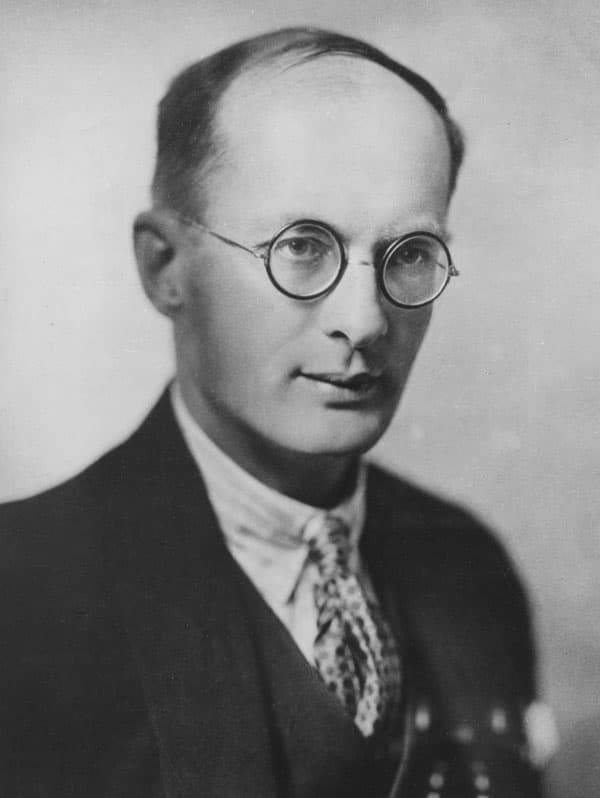
1 books
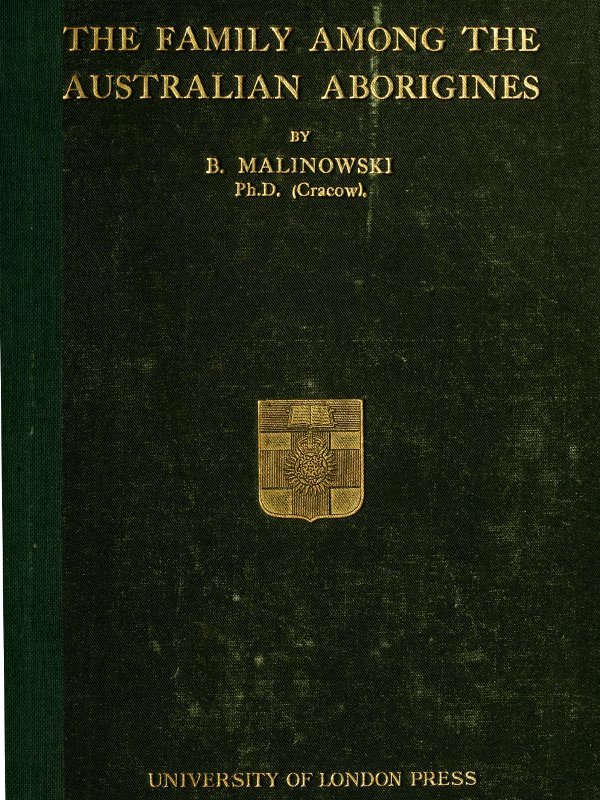
Bronisław Kasper Malinowski (Polish: [brɔˈɲiswaf maliˈnɔfskʲi]; 7 April 1884 – 16 May 1942) was a Polish anthropologist and ethnologist whose writings on ethnography, social theory, and field research have exerted a lasting influence on the discipline of anthropology. Malinowski was born and raised in what was part of the Austrian partition of Poland, Kraków. He graduated from King John III Sobieski 2nd High School. In the years 1902–1906 he studied at the philosophy department of the Jagiellonian University and received his doctorate there in 1908. In 1910, at the London School of Economics (LSE), he worked on exchange and economics, analysing Aboriginal Australia through ethnographic documents. In 1914, he travelled to Australia. He conducted research in the Trobriand Islands and other regions in New Guinea and Melanesia where he stayed for several years, studying indigenous cultures. Returning to England after World War I, he published his principal work, Argonauts of the Western Pacific (1922), which established him as one of Europe's most important anthropologists. He took posts as a lecturer and later as chair in anthropology at the LSE, attracting large numbers of students and exerting great influence on the development of British social anthropology. Over the years, he guest-lectured at several American universities; when World War II broke out, he remained in the United States, taking an appointment at Yale University. He died in 1942 while at Yale and was interred in a grave in New Haven, Connecticut. In 1967 his widow, Valetta Swann, published his personal diary kept during his fieldwork in Melanesia and New Guinea. It has since been a source of controversy, because of its ethnocentric and egocentric nature.