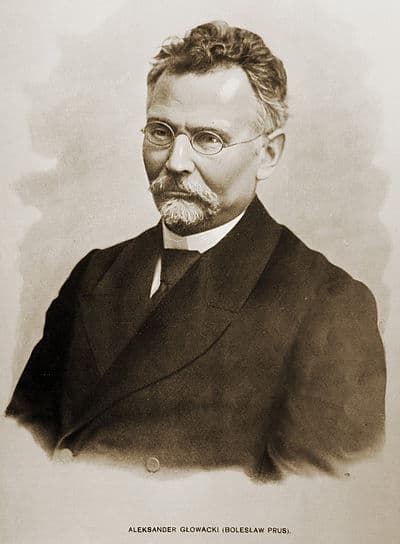
Bolesław Prus
Bolesław Prus was a prominent Polish novelist, playwright, and journalist, recognized as one of the leading figures of the Positivist movement in Poland. Born in a small village, he experienced the upheaval of his country's partitions, which deeply influenced his worldview and literary themes. Prus's works often explored social issues, the human condition, and the complexities of life in a rapidly modernizing society. His most notable novels, including 'The Doll' and 'Pharaoh,' reflect his keen observations of social dynamics and the struggles of individuals against societal constraints. 'The Doll' is particularly celebrated for its intricate portrayal of Warsaw's bourgeoisie and its critical examination of love and ambition amidst the backdrop of a changing Poland. Prus's literary significance lies not only in his storytelling but also in his ability to weave philosophical and sociological insights into his narratives. He was a pioneer in the use of psychological depth in character development, influencing future generations of writers. His works often challenged the status quo, addressing themes of class disparity and the quest for personal fulfillment. Prus's legacy endures as a cornerstone of Polish literature, and his influence can be seen in the works of later authors who grappled with similar themes of identity and societal change.
Famous Quotes
View all 20 quotes“„Pluń na wszystko, co minęło: na własną boleść i na cudzą nikczemność... Wybierz sobie jakiś cel, jakikolwiek i zacznij nowe życie.””
“Przez rok cierpiałem na jakąś chorobę mózgową, a zdawało mi się, że jestem zakochany.””
“Bo widzisz, najgorszą samotnością nie jest ta, która otacza człowieka, ale ta pustka w nim samym.””
Books from the author



Link to this page
Add a free, dofollow link to Lex on your blog, forum, syllabus, or reading list.

<a href="https://lex-books.com/author/bolesław-prus"><img src="https://lex-books.com/badges/read-on-lex.svg" alt="Bolesław Prus on Lex" width="160" height="40"></a>[](https://lex-books.com/author/bolesław-prus)[url=https://lex-books.com/author/bolesław-prus][img]https://lex-books.com/badges/read-on-lex.svg[/img][/url]Bolesław Prus on Lex: https://lex-books.com/author/bolesław-prus