Lex

Browse

GenresShelvesPremiumBlog

Company

AboutJobsPartnersSell on LexAffiliates

Audio

Lex StudioVoicesFirst chapter freeAudiobook pricingAudiobook samplesAudiobook guidesAudio blog

Resources

DocsInvite FriendsFAQ

Legal

Terms of ServicePrivacy Policygeneral@lex-books.com+1 951-551-2243WhatsApp (international)

© 2026 LexBooks, Inc. All rights reserved.

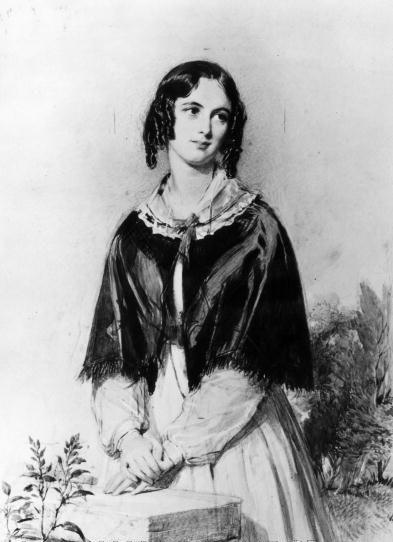
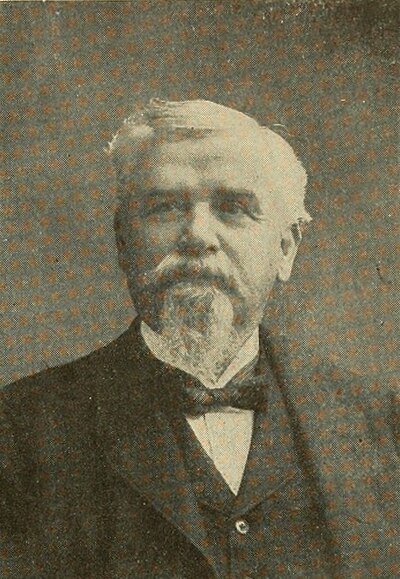
Belle Wiley

Belle Wiley was an American author known for her contributions to early 20th-century literature, particularly in the realm of children's and young adult fiction. She gained recognition for her vivid storytelling and ability to capture the complexities of childhood and adolescence. Among her notable works are 'The Little House on the Prairie' series, which showcased her talent for creating relatable characters and engaging narratives that resonated with young readers. Wiley's writing often reflected themes of adventure, friendship, and the importance of family, making her a beloved figure in children's literature. Wiley's literary significance lies in her role as a pioneer for women writers in a predominantly male literary landscape. Her works not only entertained but also provided valuable insights into the lives and struggles of young people during her time. Through her engaging prose and relatable characters, she influenced a generation of readers and writers alike. Her legacy continues to inspire contemporary authors, and her stories remain cherished by readers of all ages, ensuring her place in the canon of American literature.

Wikipedia

Belle-Île (French pronunciation: [bɛl il]), Belle-Île-en-Mer (French pronunciation: [bɛl il ɑ̃ mɛʁ]), or Belle Isle (Bre...

Written by Lex AI

Famous Quotes

View all 18 quotes

“The Yankees refused to live up to the Federal law requiring the return of fugitive slaves; they closed their eyes to the beneficent aspects of slavery; they made heroes of such fantasies as Uncle Tom, and chose to look upon Christian slaveholders as Simon Legrees; they tolerated monsters like William Lloyd Garrison; they contributed money and support to John Brown, whose avowed purpose was the wholesale murder of Southern women and children, and when he was legally executed for his crimes they crowned his vile head with martyrdom. Yankees, moreover, were considered a race of hypocrites: While they were vilifying Southerners for enslaving blacks, they were keeping millions of white factory workers in a condition far worse than slavery; while denouncing Southern wickedness, they were advocating free love and all sorts of radical isms. All in all, Yankee society was a godless and grasping thing.””

The Life of Johnny Reb: The Common Soldier of the Confederacy

“But this attitude could not persist. Under the supervision of “oldtimers” like Joseph Johnston, Robert E. Lee, Braxton Bragg, and Thomas Jackson, complaisant officers were gradually weeded out and West Point ideas of discipline were adopted in the Southern armies. Before the campaigns of 1862 Johnny Reb was for the most part a changed man. He had shed most of his surplus equipment, and, of much greater importance, he had abandoned the idea that military life was “all fun and frolic.” In short, the volunteer had become a soldier.””

The Life of Johnny Reb: The Common Soldier of the Confederacy

“I am astonished at my own indifference,” he added, “as I never pretended to be brave; it distresses me at times when I am cool and capable of reflection to think how indifferent we become in the hour of battle when our fellow men fall around us by scores…. My God what kind of a people will we be?”27””

The Life of Johnny Reb: The Common Soldier of the Confederacy

Books from the author

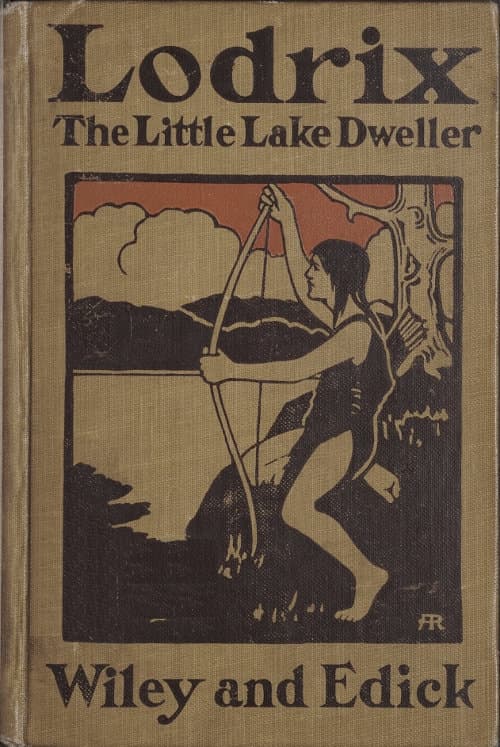
Lodrix, theLittle LakeDweller

1904

Belle Wiley

Lodrix, the Little Lake Dweller

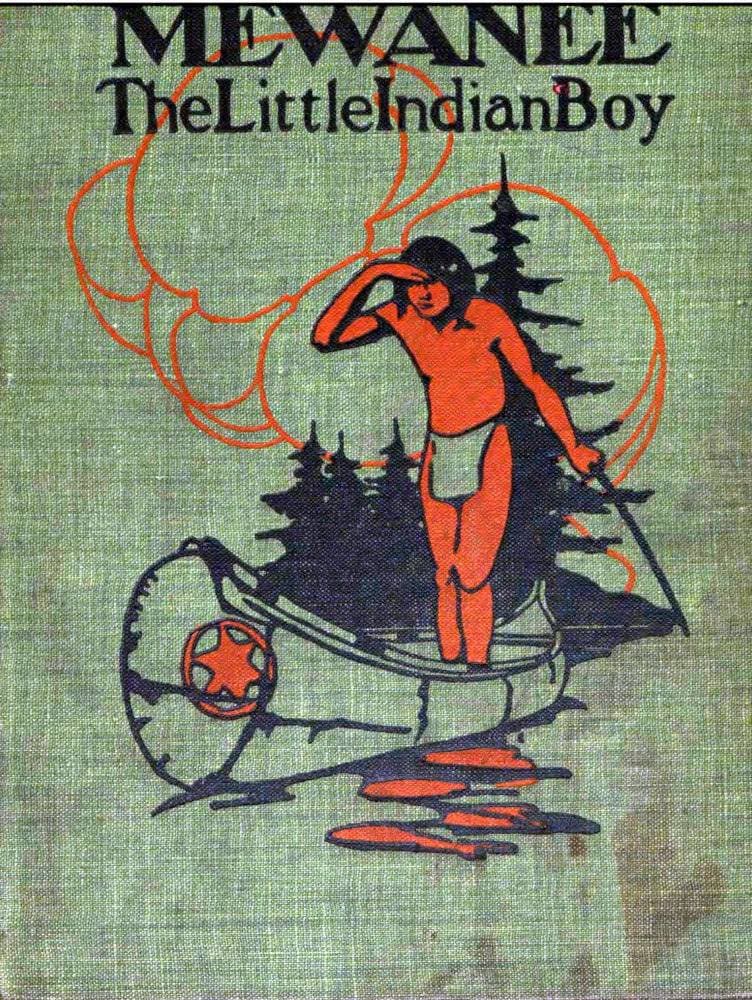
Mewanee, theLittleIndian Boy

Belle Wiley

Mewanee, the Little Indian Boy

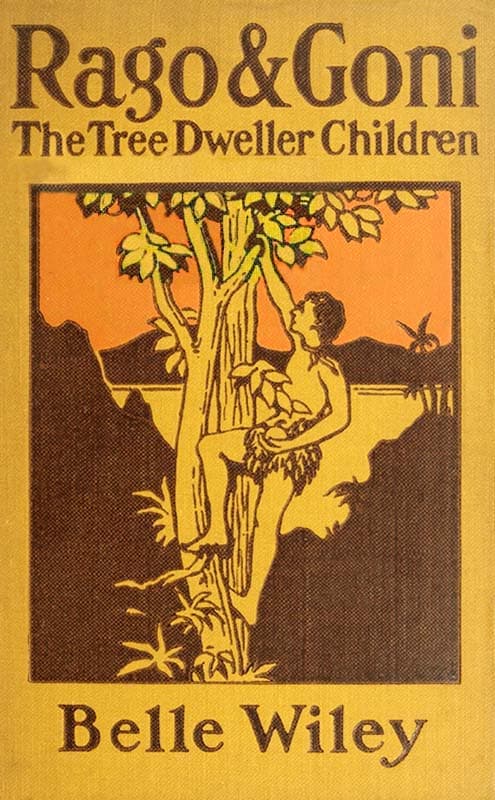
Rago andGoni, theTree-DwellerChildren

Belle Wiley

Rago and Goni, the Tree-Dweller Children

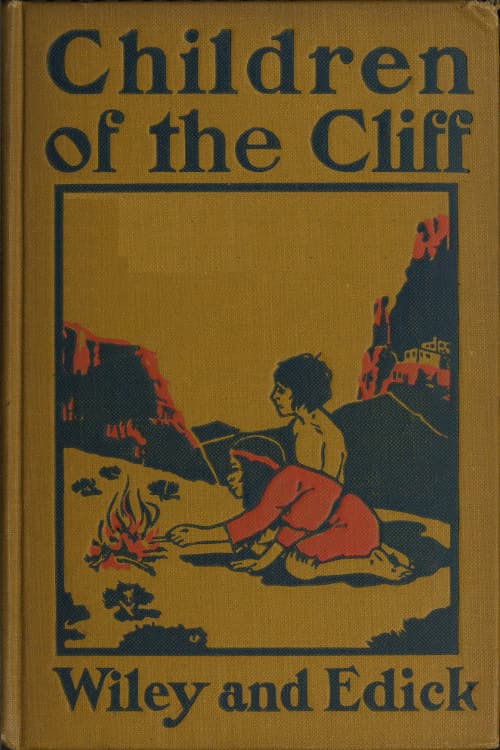
Children ofthe Cliff

Belle Wiley

Children of the Cliff

More authors like this

right arrow
Laura Lee Hope
Laura Lee Hope
Unknown
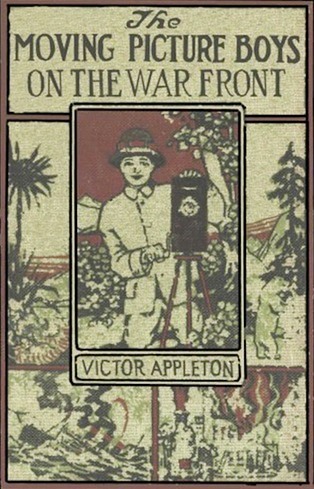
Victor Appleton
Victor Appleton
Unknown
Burt L. Standish
1866-1945
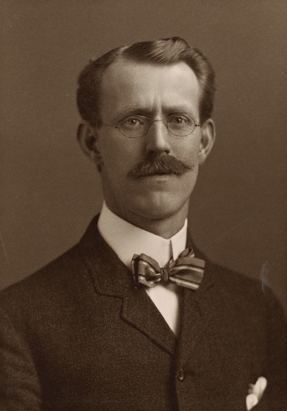
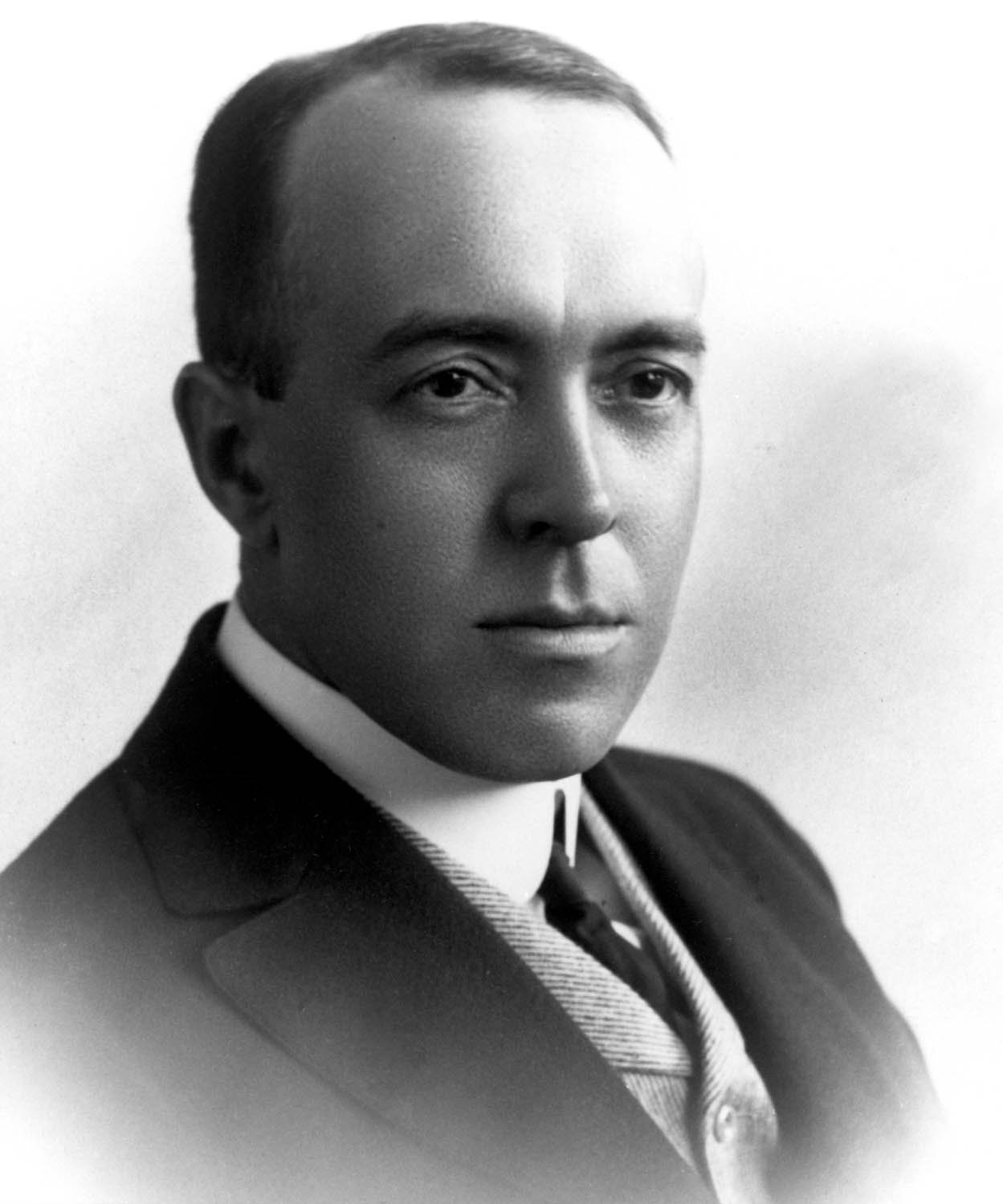
Edward Stratemeyer
Edward Stratemeyer
1862-1930
Harry Castlemon
Harry Castlemon
1842-1915
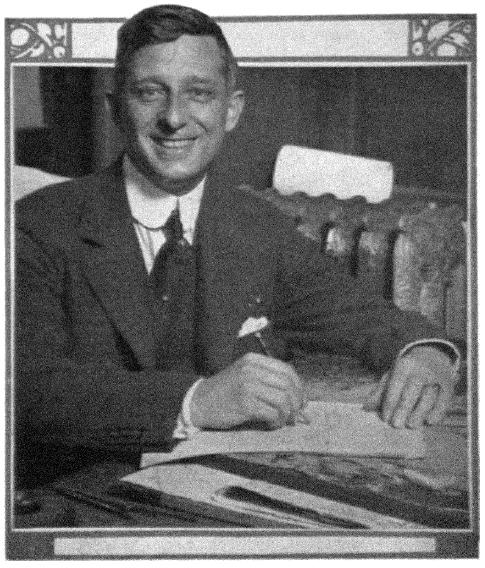
Howard Roger Garis
Howard Roger Garis
1873-1962
John Henry Goldfrap
1879-1917
Oliver Optic
Oliver Optic
1822-1897
Percy Keese Fitzhugh
1876-1950
Roy J. Snell
1878-1959
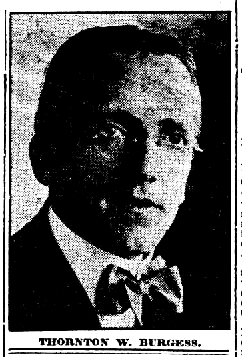
Thornton W. Burgess
Thornton W. Burgess
1874-1965
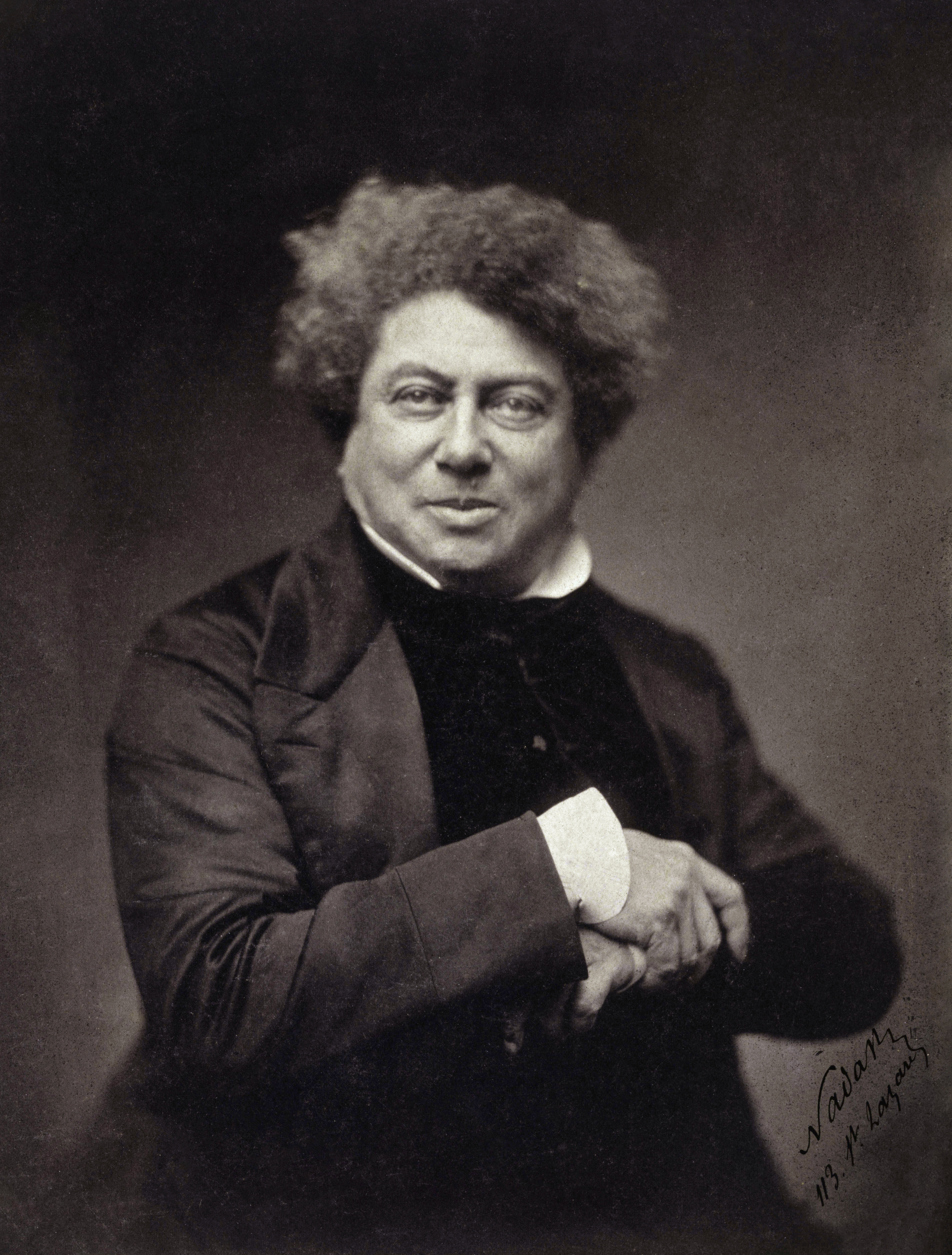
Alexandre Dumas
Alexandre Dumas
1802-1870
Charlotte M. Yonge
Charlotte M. Yonge
1823-1901
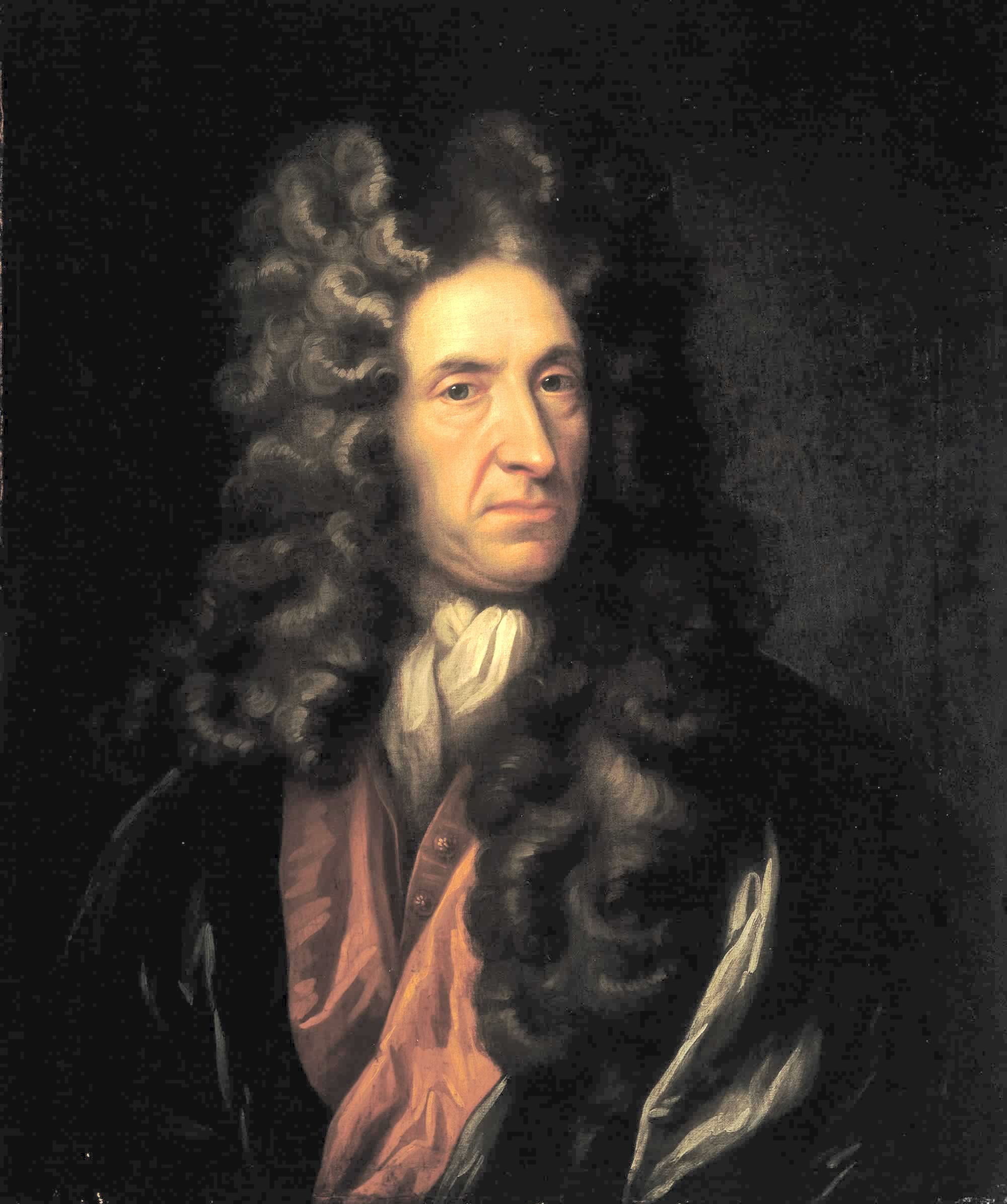
Daniel Defoe
Daniel Defoe
1661-1731
Edgar Rice Burroughs
1875-1950
Edward Sylvester Ellis
1840-1916

Link to this page

Add a free, dofollow link to Lex on your blog, forum, syllabus, or reading list.

Belle Wiley on Lex
HTML
<a href="https://lex-books.com/author/belle-wiley"><img src="https://lex-books.com/badges/read-on-lex.svg" alt="Belle Wiley on Lex" width="160" height="40"></a>
Markdown
[![Belle Wiley on Lex](https://lex-books.com/badges/read-on-lex.svg)](https://lex-books.com/author/belle-wiley)
BBCode
[url=https://lex-books.com/author/belle-wiley][img]https://lex-books.com/badges/read-on-lex.svg[/img][/url]
Plain link
Belle Wiley on Lex: https://lex-books.com/author/belle-wiley