Bell Irvin Wiley
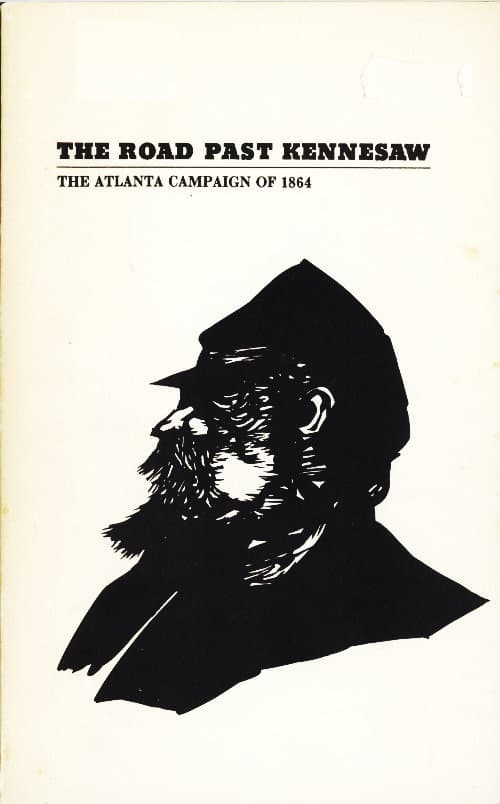
Bell Irvin Wiley was an American historian and author, renowned for his extensive research on the Civil War and its impact on Southern society. Born in Mississippi, Wiley's academic journey led him to the University of Mississippi, where he developed a profound interest in the complexities of the Civil War era. His most notable works include 'The Life of Johnny Reb' and 'The Life of Billy Yank,' which offered a detailed examination of the experiences of Confederate and Union soldiers, respectively. Through meticulous research and vivid storytelling, Wiley brought to life the personal narratives of those who fought in the war, emphasizing their motivations, struggles, and the societal changes that ensued. Wiley's contributions to Civil War scholarship were significant, as he was one of the first historians to focus on the social history of the conflict, moving beyond military tactics to explore the human experiences behind the battles. His work not only illuminated the lives of soldiers but also provided insights into the broader cultural and social dynamics of the time. Wiley's legacy endures through his influential writings, which continue to shape the understanding of the Civil War and its lasting effects on American society.
Famous Quotes
View all 18 quotes“The Yankees refused to live up to the Federal law requiring the return of fugitive slaves; they closed their eyes to the beneficent aspects of slavery; they made heroes of such fantasies as Uncle Tom, and chose to look upon Christian slaveholders as Simon Legrees; they tolerated monsters like William Lloyd Garrison; they contributed money and support to John Brown, whose avowed purpose was the wholesale murder of Southern women and children, and when he was legally executed for his crimes they crowned his vile head with martyrdom. Yankees, moreover, were considered a race of hypocrites: While they were vilifying Southerners for enslaving blacks, they were keeping millions of white factory workers in a condition far worse than slavery; while denouncing Southern wickedness, they were advocating free love and all sorts of radical isms. All in all, Yankee society was a godless and grasping thing.””
“But this attitude could not persist. Under the supervision of “oldtimers” like Joseph Johnston, Robert E. Lee, Braxton Bragg, and Thomas Jackson, complaisant officers were gradually weeded out and West Point ideas of discipline were adopted in the Southern armies. Before the campaigns of 1862 Johnny Reb was for the most part a changed man. He had shed most of his surplus equipment, and, of much greater importance, he had abandoned the idea that military life was “all fun and frolic.” In short, the volunteer had become a soldier.””
“I am astonished at my own indifference,” he added, “as I never pretended to be brave; it distresses me at times when I am cool and capable of reflection to think how indifferent we become in the hour of battle when our fellow men fall around us by scores…. My God what kind of a people will we be?”27””
Books from the author







Link to this page
Add a free, dofollow link to Lex on your blog, forum, syllabus, or reading list.

<a href="https://lex-books.com/author/bell-irvin-wiley"><img src="https://lex-books.com/badges/read-on-lex.svg" alt="Bell Irvin Wiley on Lex" width="160" height="40"></a>[](https://lex-books.com/author/bell-irvin-wiley)[url=https://lex-books.com/author/bell-irvin-wiley][img]https://lex-books.com/badges/read-on-lex.svg[/img][/url]Bell Irvin Wiley on Lex: https://lex-books.com/author/bell-irvin-wiley