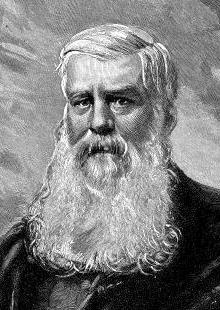
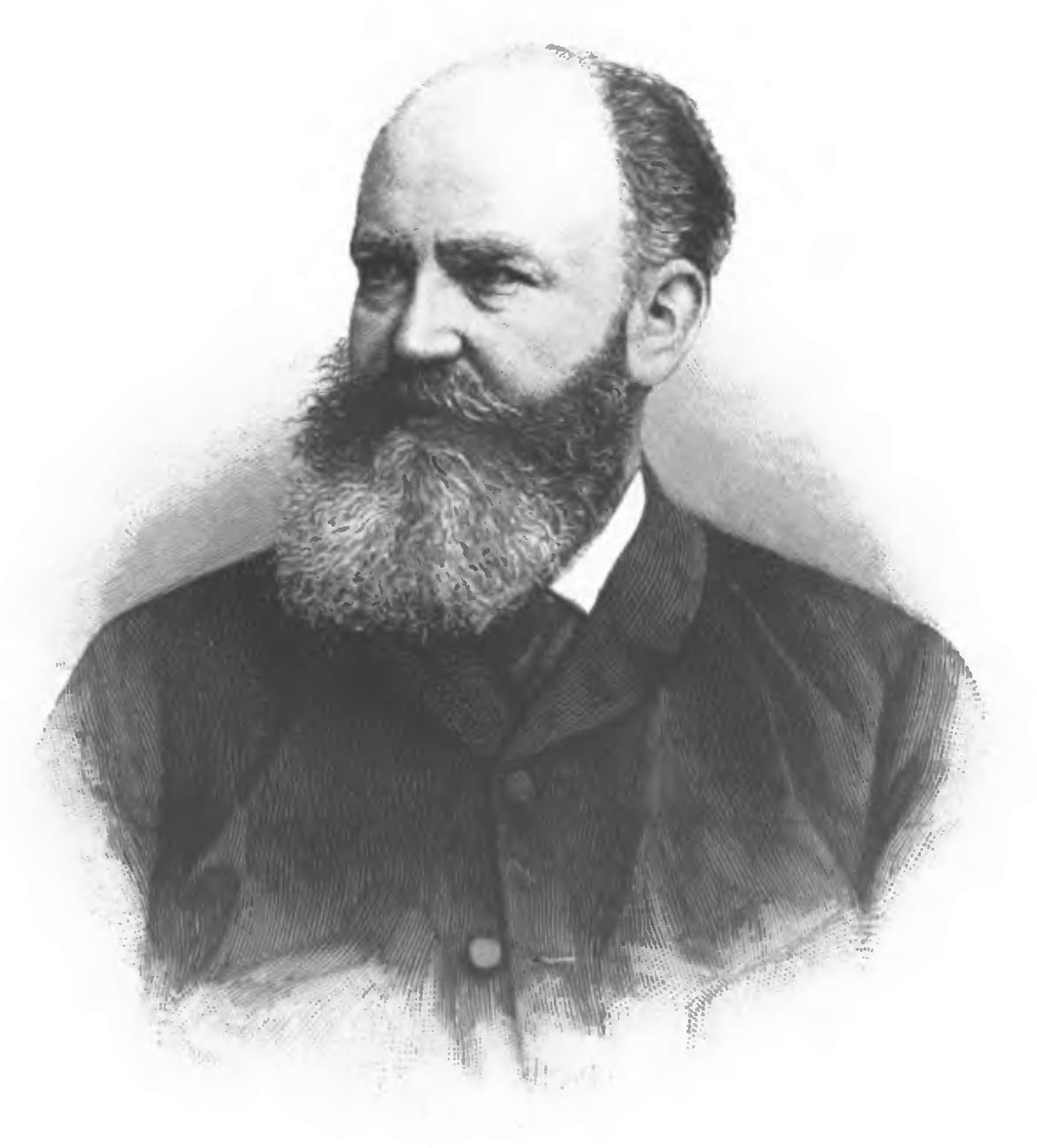
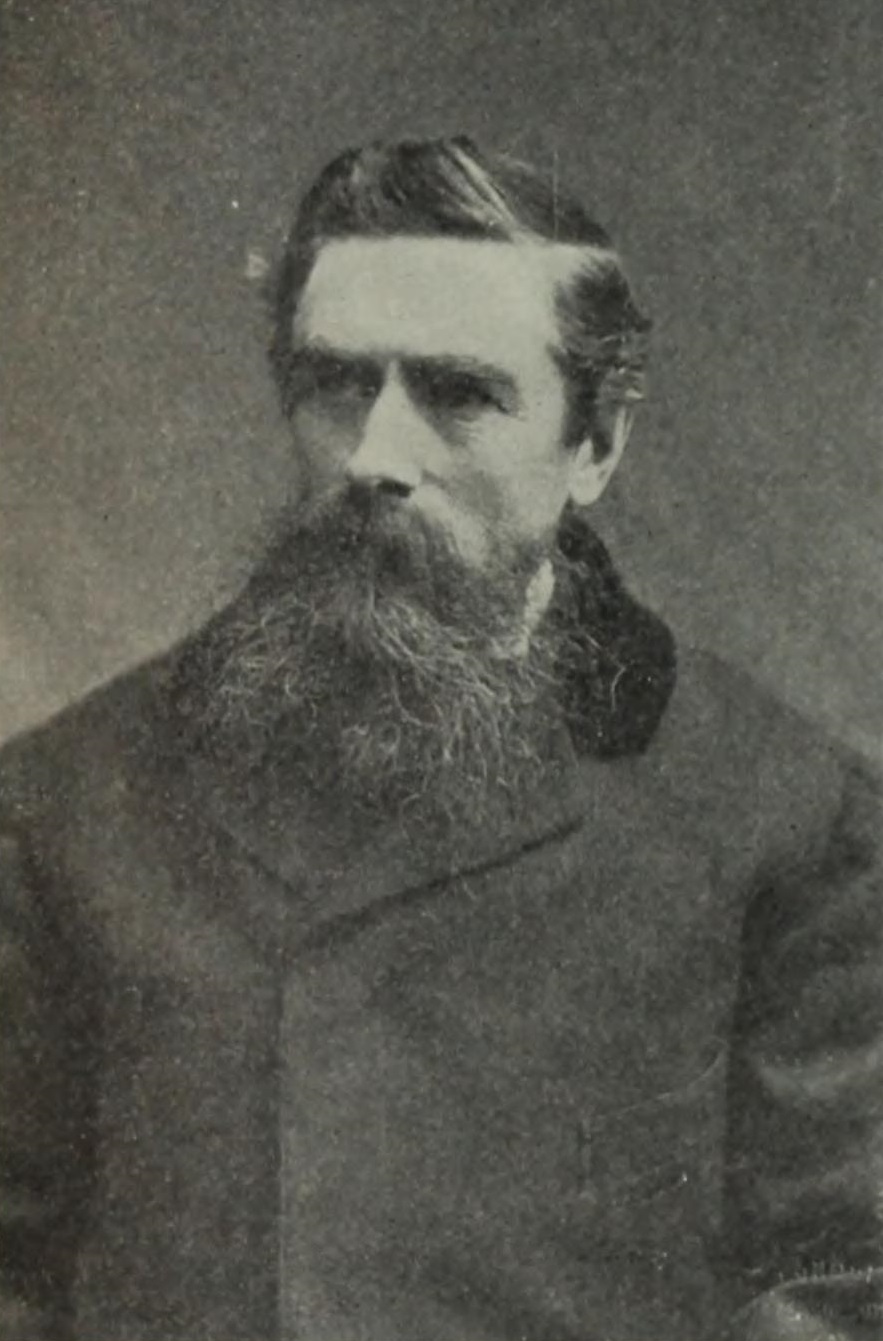
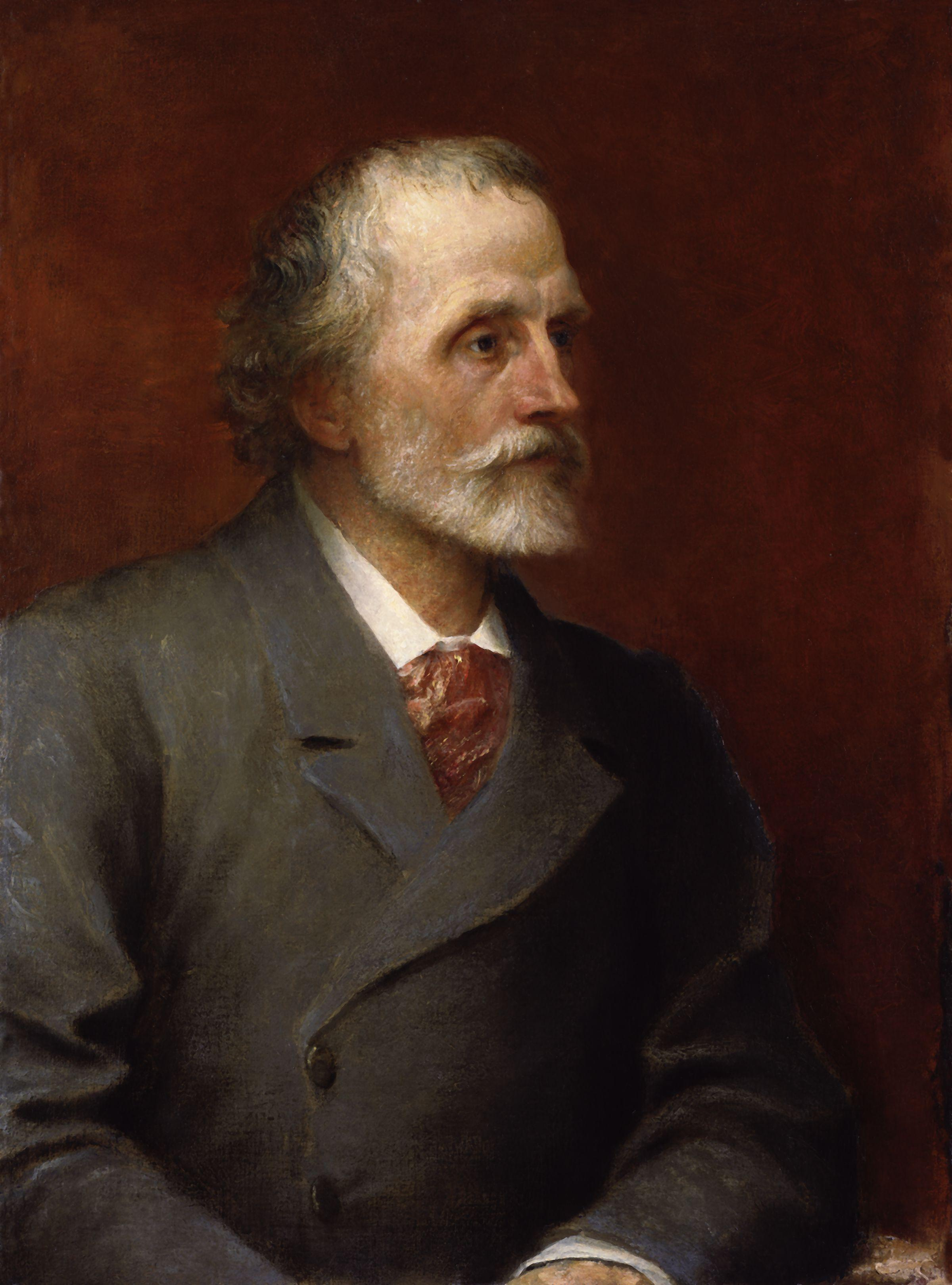
Auguste Villiers de L'Isle-Adam
Auguste Villiers de L'Isle-Adam was a French writer and playwright known for his contributions to the Symbolist movement and his exploration of the fantastical and the metaphysical. Born into an aristocratic family, he initially pursued a career in law but soon turned to literature, where he found his true calling. His most notable work, the novel 'L'Ève Future' (The Future Eve), published in 1886, is a pioneering science fiction narrative that delves into themes of artificial intelligence and the nature of humanity, featuring a robot designed to be the perfect woman. This work not only showcased Villiers' innovative imagination but also reflected the anxieties and aspirations of the era regarding technology and gender dynamics. Villiers was also a prolific playwright, with works such as 'La Révolte des Anges' and 'L'Innocente,' which often incorporated elements of fantasy and philosophical inquiry. His writing style, characterized by rich symbolism and lyrical prose, influenced many contemporaries and later writers, including Marcel Proust and André Gide. Despite facing financial difficulties and a lack of widespread recognition during his lifetime, Villiers de L'Isle-Adam's legacy endures as a significant figure in French literature, particularly for his visionary ideas that anticipated modern themes in science fiction and existential thought.
Books from the author