
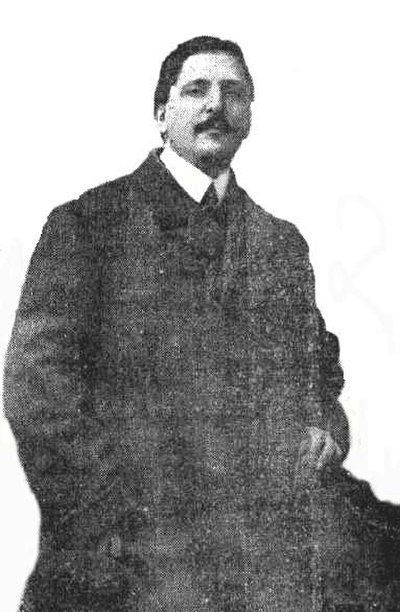
Angel Guimerá
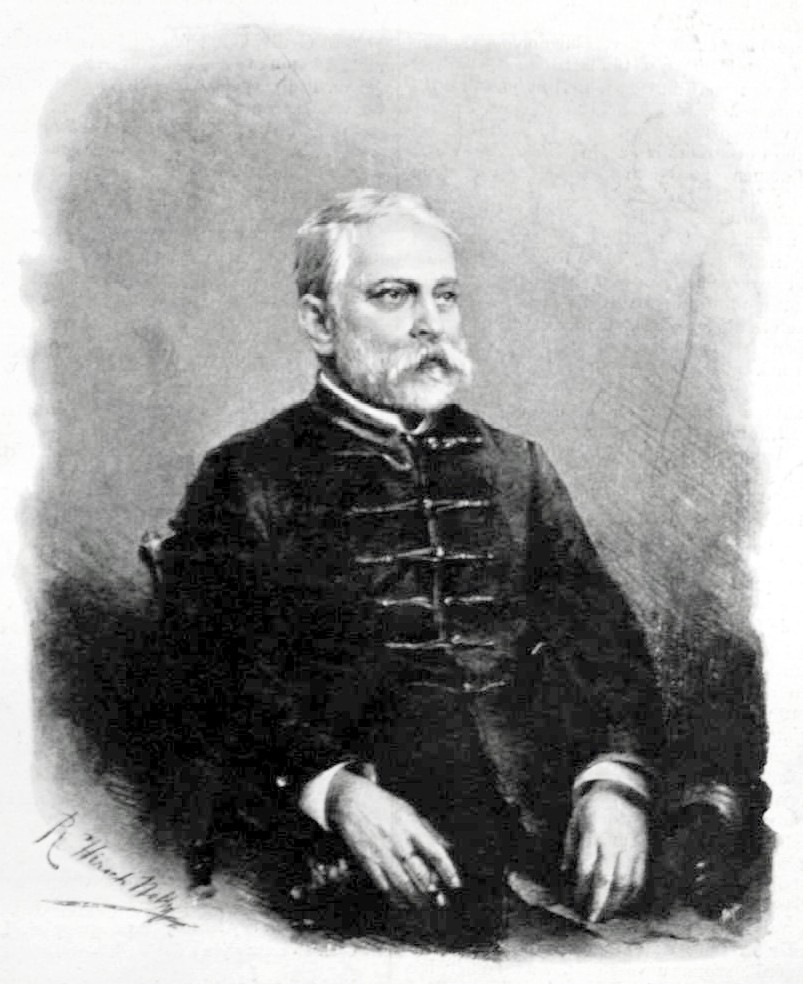
Angel Guimerá was a prominent Catalan playwright and poet, known for his significant contributions to Catalan literature and theater during the late 19th and early 20th centuries. Born in Santa Cruz de Tenerife, Guimerá moved to Catalonia, where he became a leading figure in the modern Catalan cultural revival. His works often explored themes of social justice, identity, and the struggles of the working class, reflecting the tumultuous socio-political landscape of his time. Guimerá's most notable plays, such as 'Maria Rosa' and 'La filla del mar,' are celebrated for their emotional depth and complex characters, which helped to elevate the status of Catalan theater and literature. Guimerá's legacy extends beyond his own writings; he played a crucial role in the promotion of the Catalan language and culture during a period of repression. His ability to blend realism with poetic language made his works accessible and impactful, influencing a generation of writers and playwrights. As a member of the Catalan cultural movement, he advocated for the recognition of Catalonia's unique identity, and his works continue to be performed and studied, underscoring his importance in the canon of Catalan literature. Guimerá's contributions have solidified his place as one of the key figures in the history of Spanish theater, and his influence is still felt in contemporary Catalan arts.
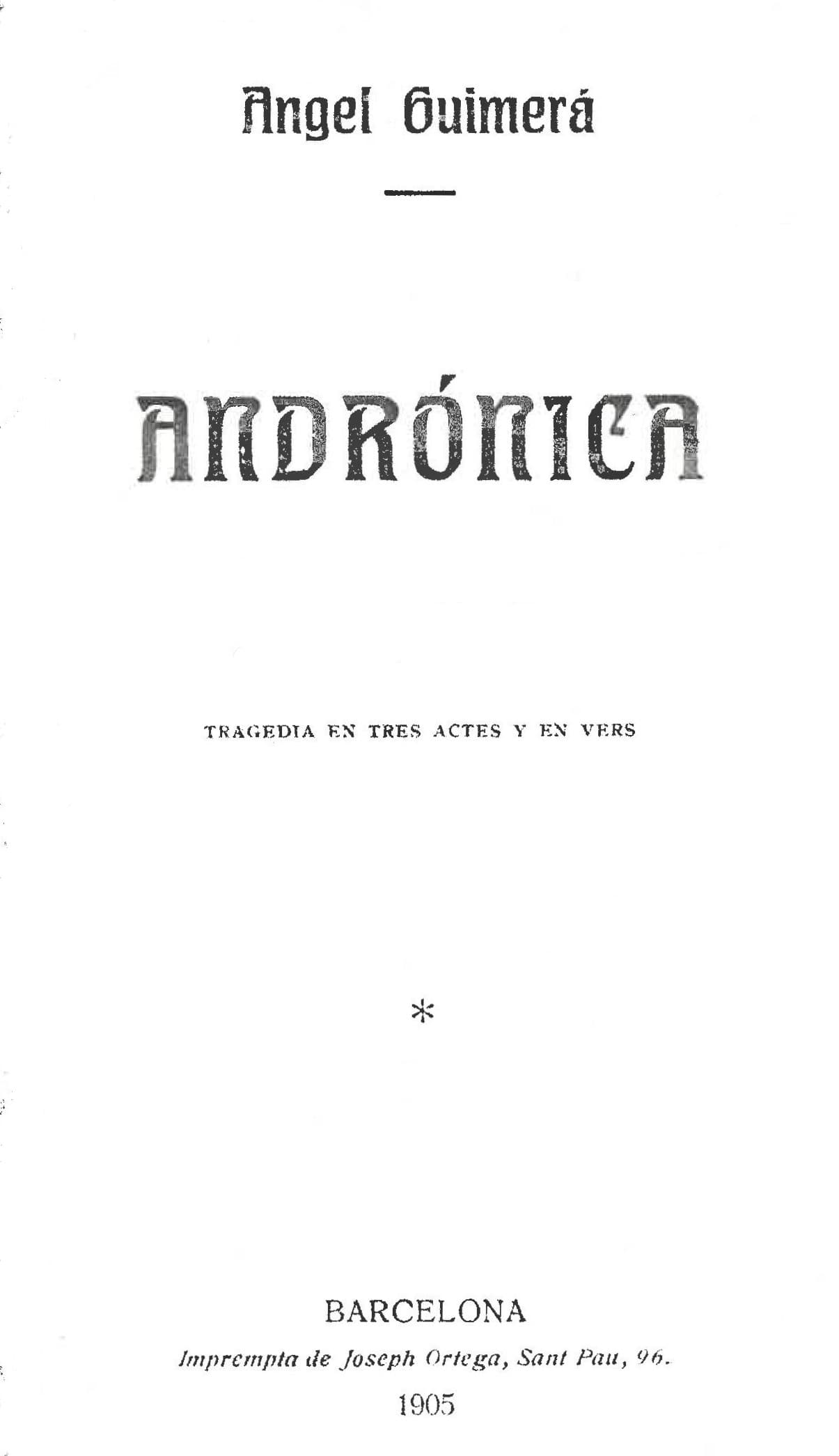
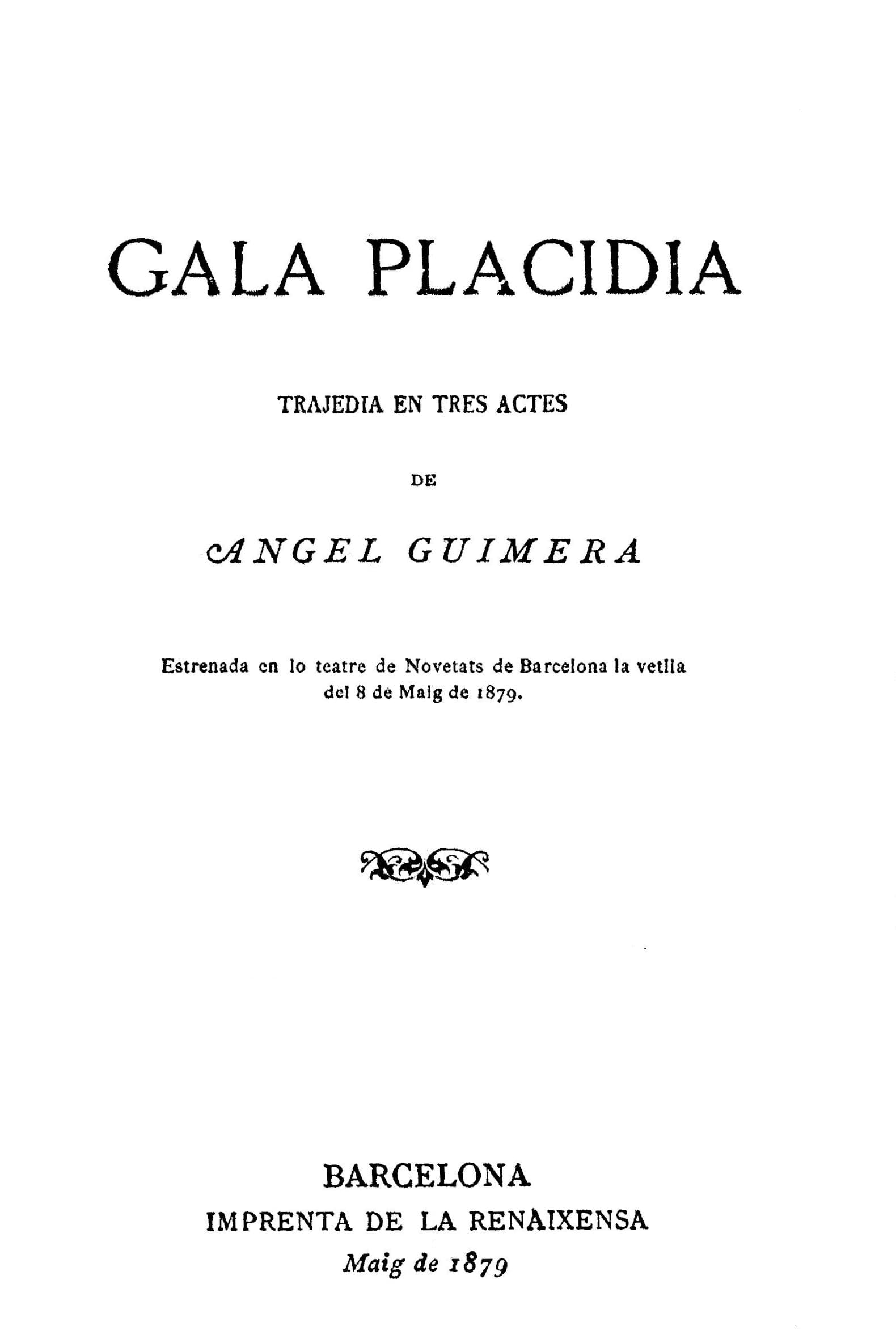
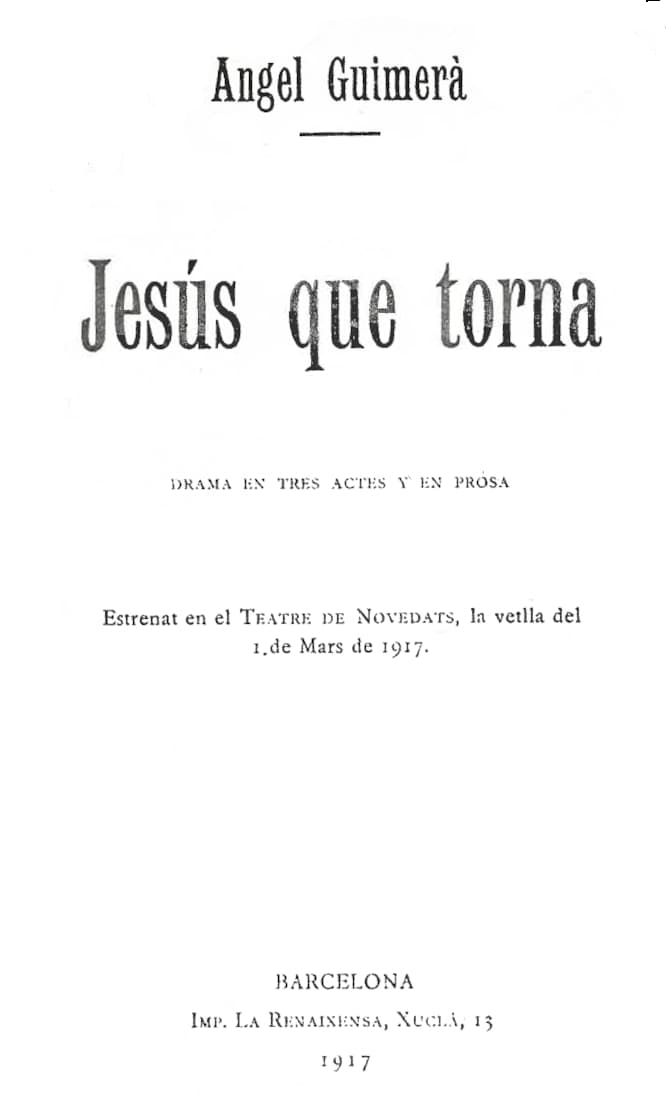
Books from the author







Link to this page
Add a free, dofollow link to Lex on your blog, forum, syllabus, or reading list.

<a href="https://lex-books.com/author/angel-guimerá"><img src="https://lex-books.com/badges/read-on-lex.svg" alt="Angel Guimerá on Lex" width="160" height="40"></a>[](https://lex-books.com/author/angel-guimerá)[url=https://lex-books.com/author/angel-guimerá][img]https://lex-books.com/badges/read-on-lex.svg[/img][/url]Angel Guimerá on Lex: https://lex-books.com/author/angel-guimerá