
Alonso Fernández de Avellaneda
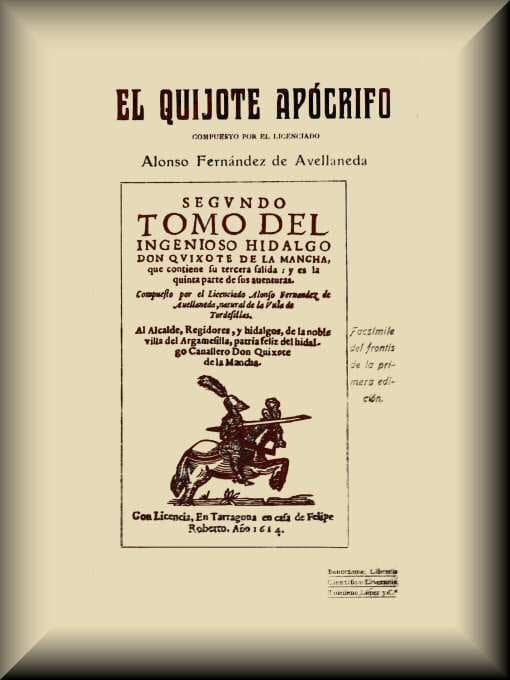
Alonso Fernández de Avellaneda was a Spanish author best known for his controversial work, "Don Quixote of La Mancha," published in 1614. This novel was a response to Miguel de Cervantes' original "Don Quixote," which had been published in 1605. Avellaneda's version, often considered an unauthorized sequel, sought to capitalize on the success of Cervantes' work while also presenting a different interpretation of the beloved characters. His narrative introduced new adventures for Don Quixote and Sancho Panza, showcasing Avellaneda's own literary style and thematic concerns, which often included critiques of contemporary society and the nature of chivalry. Though Avellaneda's work was met with mixed reviews and is less celebrated than Cervantes' masterpiece, it holds significance in the context of early modern Spanish literature. His attempt to expand upon Cervantes' characters demonstrates the vibrant literary culture of the time and the competitive spirit among writers. Avellaneda's contributions, while overshadowed by Cervantes, reflect the complexities of authorship and the dialogue between literary works, making him an intriguing figure in the history of Spanish literature.
Books from the author




Link to this page
Add a free, dofollow link to Lex on your blog, forum, syllabus, or reading list.

<a href="https://lex-books.com/author/alonso-fernández-de-avellaneda"><img src="https://lex-books.com/badges/read-on-lex.svg" alt="Alonso Fernández de Avellaneda on Lex" width="160" height="40"></a>[](https://lex-books.com/author/alonso-fernández-de-avellaneda)[url=https://lex-books.com/author/alonso-fernández-de-avellaneda][img]https://lex-books.com/badges/read-on-lex.svg[/img][/url]Alonso Fernández de Avellaneda on Lex: https://lex-books.com/author/alonso-fernández-de-avellaneda