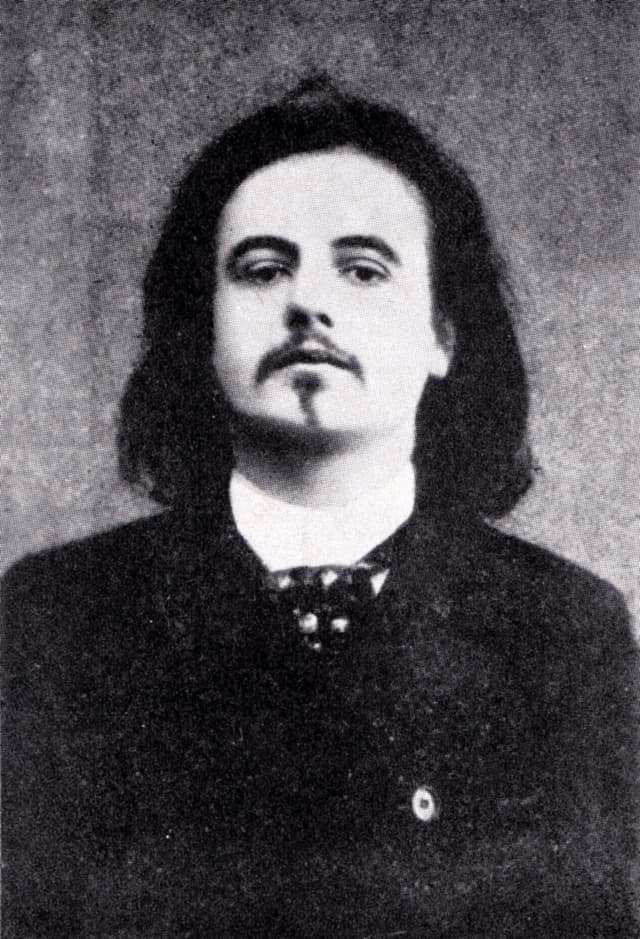
Alfred Jarry
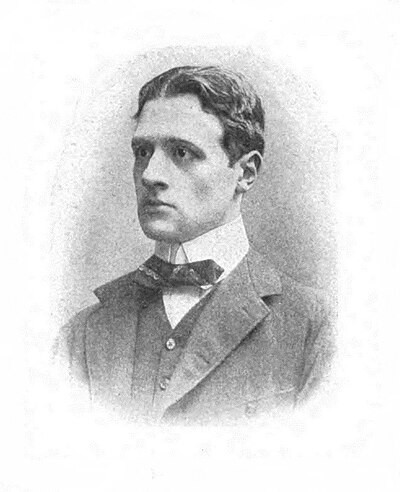
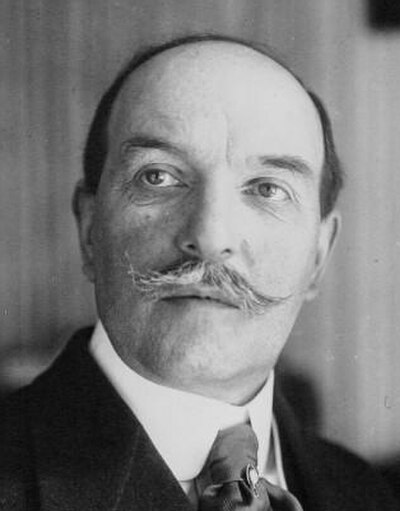
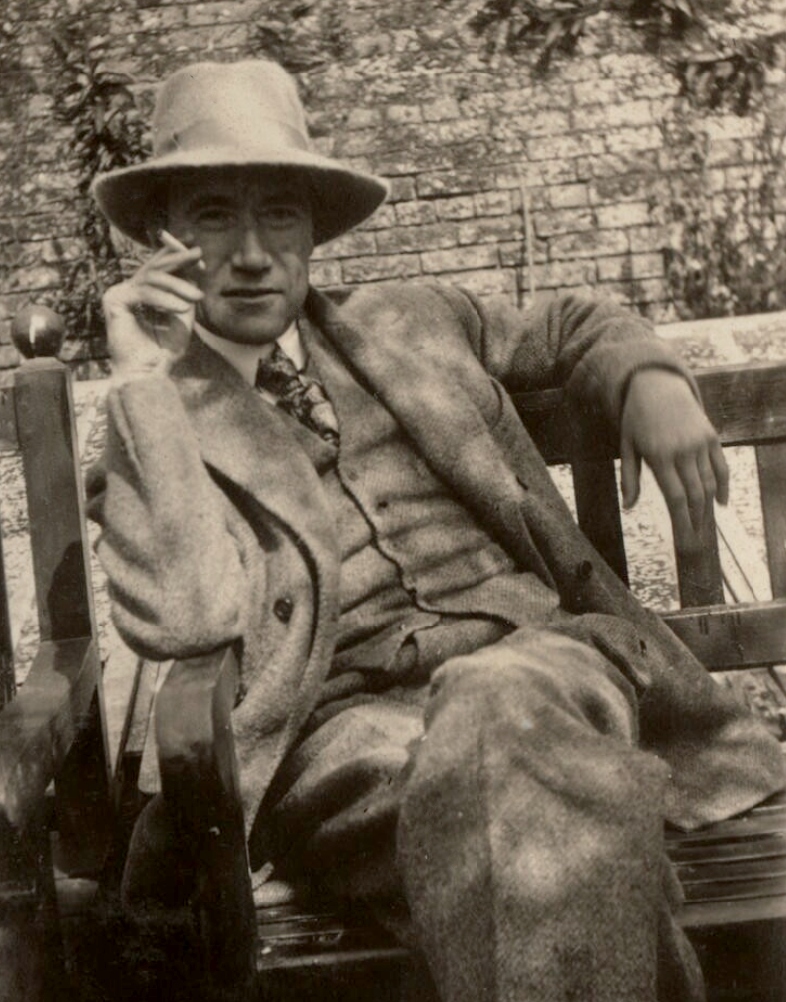
Alfred Jarry was a pioneering French symbolist writer, best remembered for his groundbreaking play 'Ubu Roi,' which premiered in 1896. This work is often regarded as a precursor to the Dada, Surrealist, and Futurist movements, as well as a significant influence on the Theatre of the Absurd that emerged in the mid-20th century. Jarry's unique blend of absurdity and satire challenged conventional theatrical norms and societal expectations, making him a key figure in the evolution of modern drama. In addition to 'Ubu Roi,' Jarry's literary output included novels, poems, and essays that explored the philosophical concept of 'pataphysics,' a term he coined to describe a science of imaginary solutions. His innovative approach to writing, characterized by a playful yet critical examination of reality, positioned him as a precursor to postmodern literature. Jarry's legacy endures through his influence on various artistic movements and his role in shaping the landscape of avant-garde theatre and literature.
Famous Quotes
View all 3 quotes“Dawn was breaking, like the light from another world.”
“It is one of the great joys of home ownership to fire a pistol in one's own bedroom”
“It is conventional to call ''monster'' any blending of dissonant elements. I call ''monster'' every original inexhaustible beauty.”
Books from the author








Link to this page
Add a free, dofollow link to Lex on your blog, forum, syllabus, or reading list.

<a href="https://lex-books.com/author/alfred-jarry"><img src="https://lex-books.com/badges/read-on-lex.svg" alt="Alfred Jarry on Lex" width="160" height="40"></a>[](https://lex-books.com/author/alfred-jarry)[url=https://lex-books.com/author/alfred-jarry][img]https://lex-books.com/badges/read-on-lex.svg[/img][/url]Alfred Jarry on Lex: https://lex-books.com/author/alfred-jarry