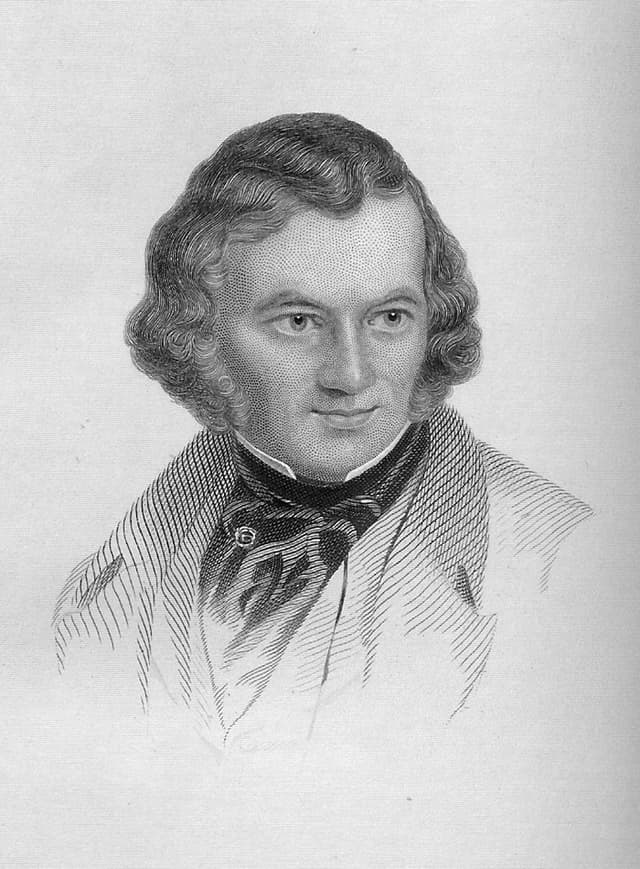
Albert Smith
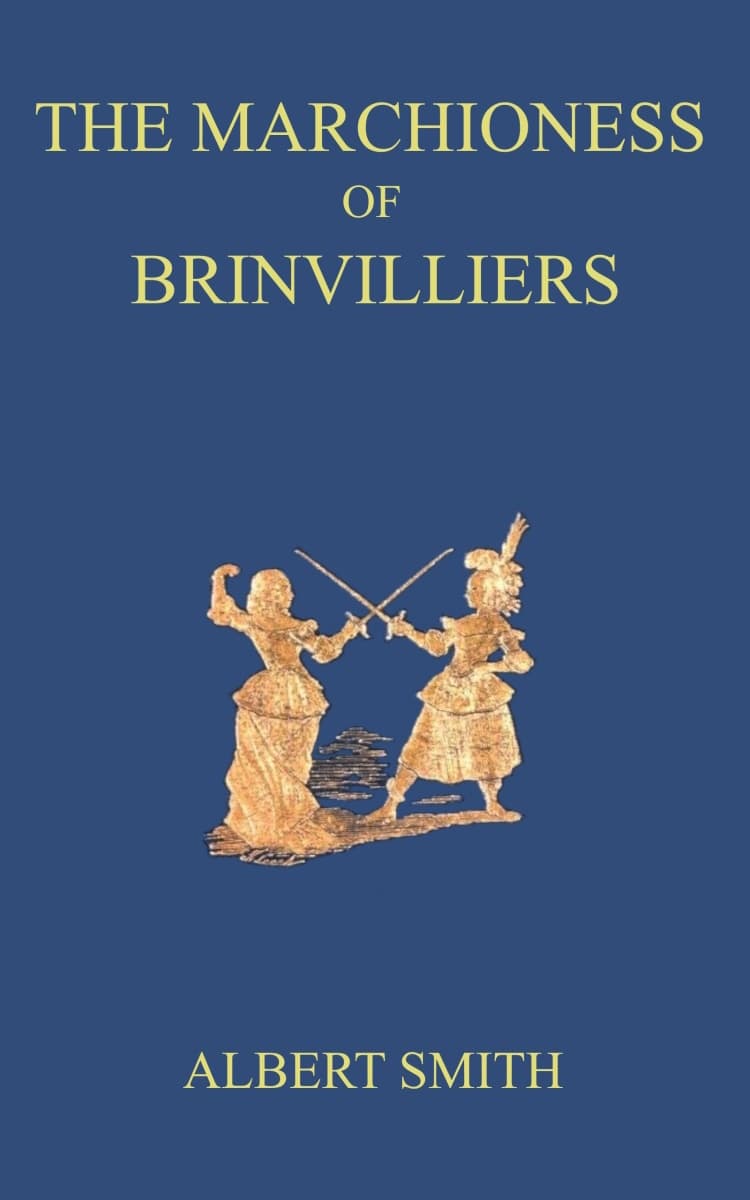
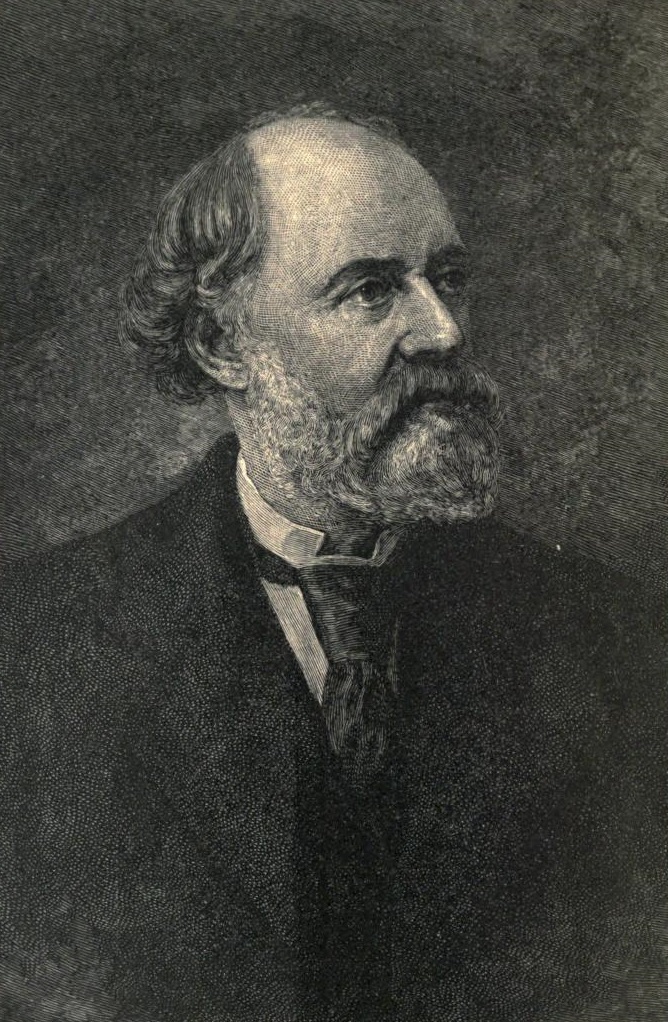
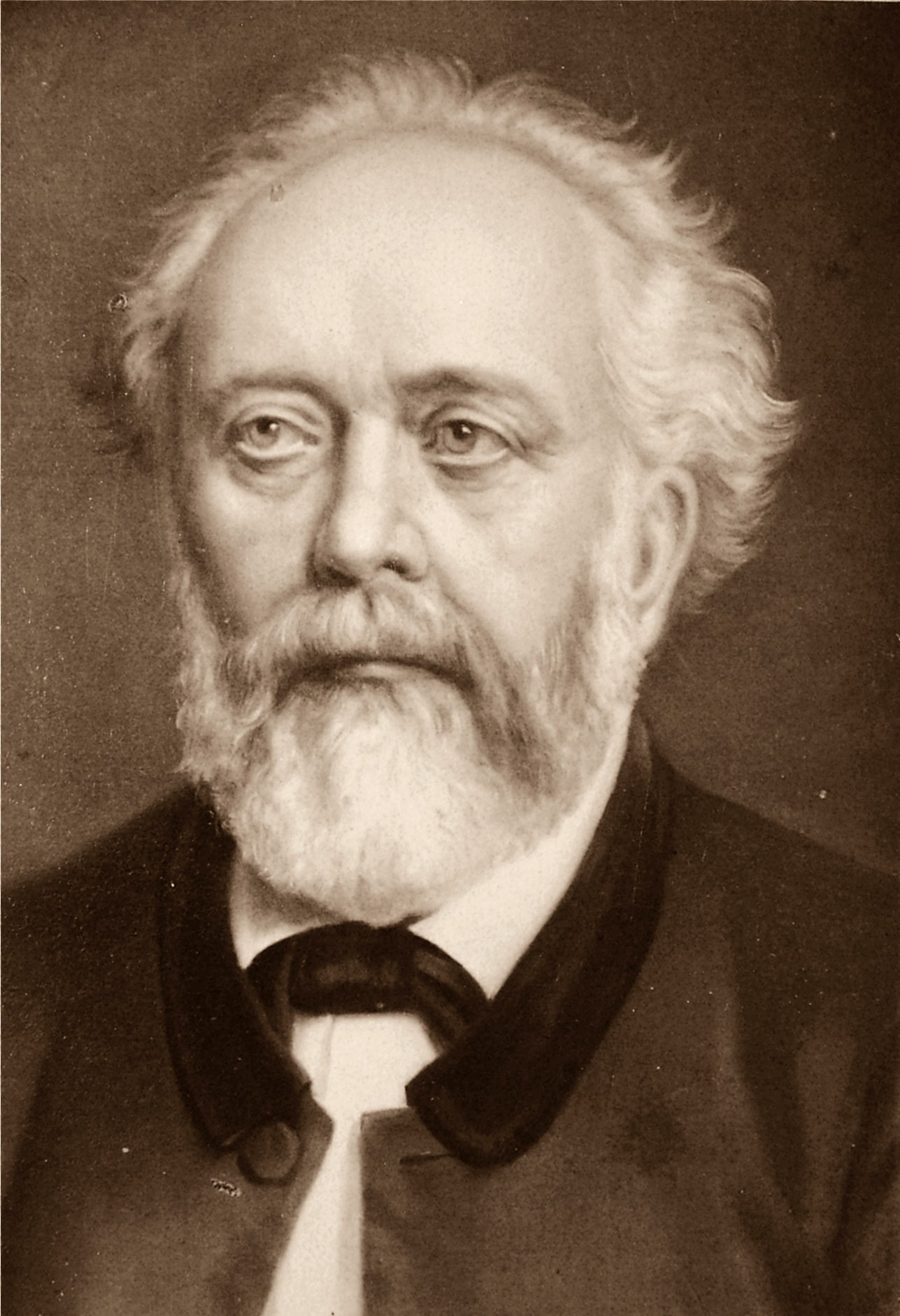
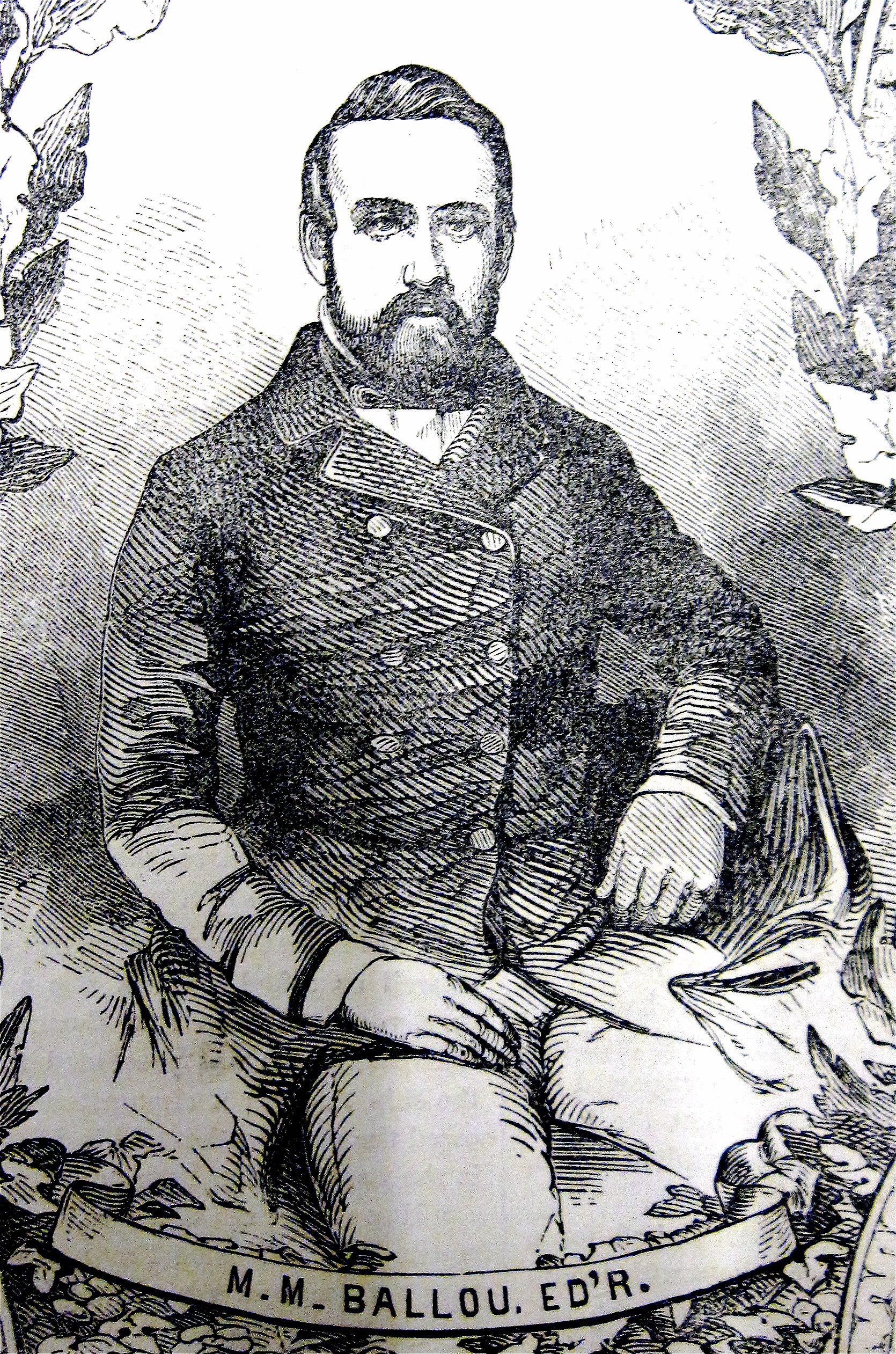
Albert Smith was a British author and entertainer known for his engaging narratives and keen observations of society in the 19th century. Born in 1816, Smith's literary career spanned various genres, including travel writing, social commentary, and historical romance. His works often reflected his interest in the peculiarities of human behavior and the intricacies of social class, making him a notable figure in Victorian literature. Among his most recognized works are 'The Natural History of the Gent' and 'The Natural History of 'Stuck-up' People,' both of which humorously dissect the quirks and pretensions of different social strata, showcasing his sharp wit and keen eye for detail. In addition to his social critiques, Smith ventured into historical fiction with 'The Marchioness of Brinvilliers, the Poisoner of the Seventeenth Century: A Romance of Old Paris,' which blends romance and intrigue against a backdrop of historical events. His travel writings, such as 'To China and Back: Being a Diary Kept, Out and Home' and 'A Month at Constantinople,' reveal his experiences and reflections during his journeys, offering readers a glimpse into the cultures and customs of the places he visited. Smith's ability to weave humor with insightful commentary has left a lasting impact on the literary landscape, making him a significant, if sometimes overlooked, figure of his time.
Famous Quotes
View all 17 quotes“There are two influences ever present in the world. One is constructive and elevating and comes from our Heavenly Father; the other is destructive and debasing and comes from Lucifer. We have our agency and make our own choice in life subject to these unseen powers. There is a division line well defined that separates the Lord's territory from Lucifer's. If we live on the Lord's side of the line Lucifer cannot come there to influence us, but if we cross the line into his territory we are in his power. By keeping the commandments of the Lord we are safe on His side of the line, but if we disobey His teachings we voluntarily cross into the zone of temptation and invite the destruction that is ever present there. Knowing this, how anxious we should always be to live on the Lord's side of the line.””
“Professor Smith has kindly submitted his book to me before publication. After reading it thoroughly and with intense interest I am glad to comply with his request to give him my impression.The work is a broadly conceived attempt to portray man's fear-induced animistic and mythic ideas with all their far-flung transformations and interrelations. It relates the impact of these phantasmagorias on human destiny and the causal relationships by which they have become crystallized into organized religion.This is a biologist speaking, whose scientific training has disciplined him in a grim objectivity rarely found in the pure historian. This objectivity has not, however, hindered him from emphasizing the boundless suffering which, in its end results, this mythic thought has brought upon man.Professor Smith envisages as a redeeming force, training in objective observation of all that is available for immediate perception and in the interpretation of facts without preconceived ideas. In his view, only if every individual strives for truth can humanity attain a happier future; the atavisms in each of us that stand in the way of a friendlier destiny can only thus be rendered ineffective.His historical picture closes with the end of the nineteenth century, and with good reason. By that time it seemed that the influence of these mythic, authoritatively anchored forces which can be denoted as religious, had been reduced to a tolerable level in spite of all the persisting inertia and hypocrisy.Even then, a new branch of mythic thought had already grown strong, one not religious in nature but no less perilous to mankind -- exaggerated nationalism. Half a century has shown that this new adversary is so strong that it places in question man's very survival. It is too early for the present-day historian to write about this problem, but it is to be hoped that one will survive who can undertake the task at a later date.””
“Tears are the safety value of the heart when too much pressure is laid on it .””
Books from the author





Link to this page
Add a free, dofollow link to Lex on your blog, forum, syllabus, or reading list.

<a href="https://lex-books.com/author/albert-smith"><img src="https://lex-books.com/badges/read-on-lex.svg" alt="Albert Smith on Lex" width="160" height="40"></a>[](https://lex-books.com/author/albert-smith)[url=https://lex-books.com/author/albert-smith][img]https://lex-books.com/badges/read-on-lex.svg[/img][/url]Albert Smith on Lex: https://lex-books.com/author/albert-smith