Léon Bloy: Essai De Critique Équitable
1923
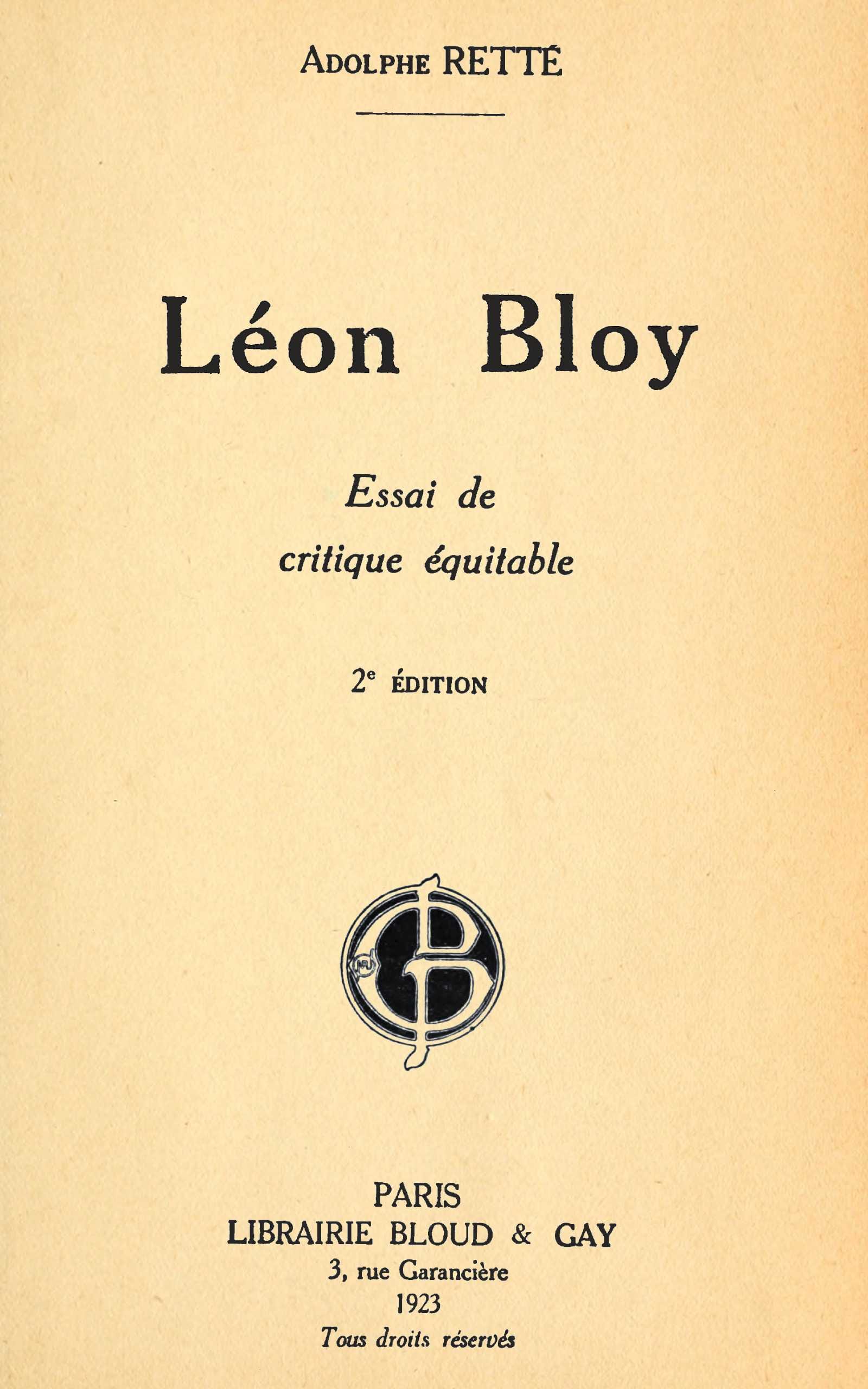
Adolphe Retté's 1923 critical essay offers an intimate, nuanced portrait of Léon Bloy, the fiery Catholic writer whose venomous pen and uncompromising spirituality made him one of the most polarizing figures of fin-de-siècle France. Retté, himself a former anarchist turned Catholic, approaches his subject with what he calls 'equitable criticism', neither worshipping nor dismissing, but seeking to understand the contradictions that made Bloy so electrifying and so difficult. The essay traces Bloy's dual nature: a man simultaneously marked by pride and humility, joy and despair, whose intense sensitivity to the world's suffering fueled both his passionate love for Christ and his vicious attacks on the bourgeoisie and literary contemporaries. Retté situates Bloy within the turbulent literary landscape of his era, examining his complex relationships, his scathing critiques of materialism, and his unwavering (if often abrasive) artistic vision. This is not biography as hagiography or indictment, but a critic's honest reckoning with a writer who refused to compromise, and the cost that refusal exacted.
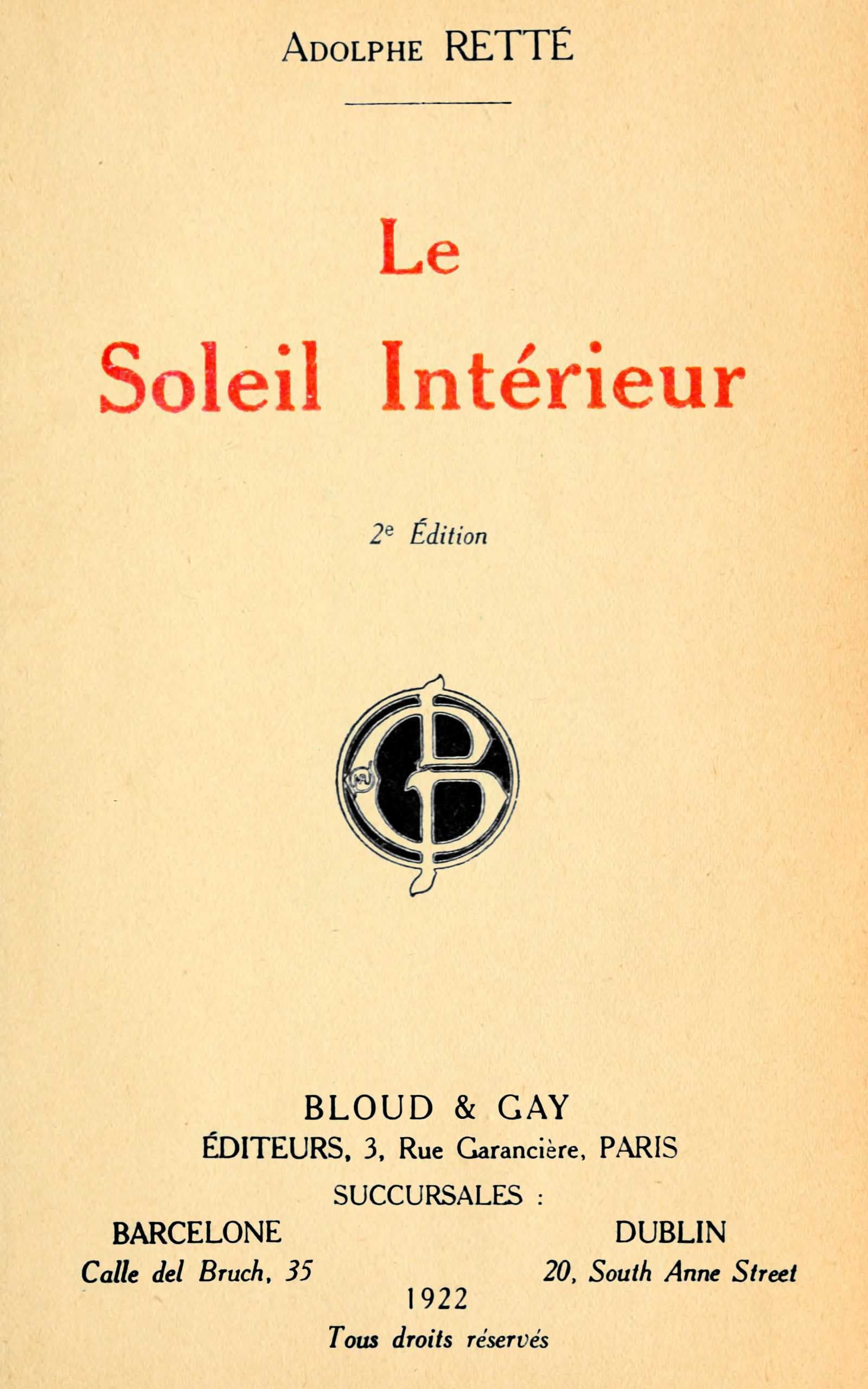
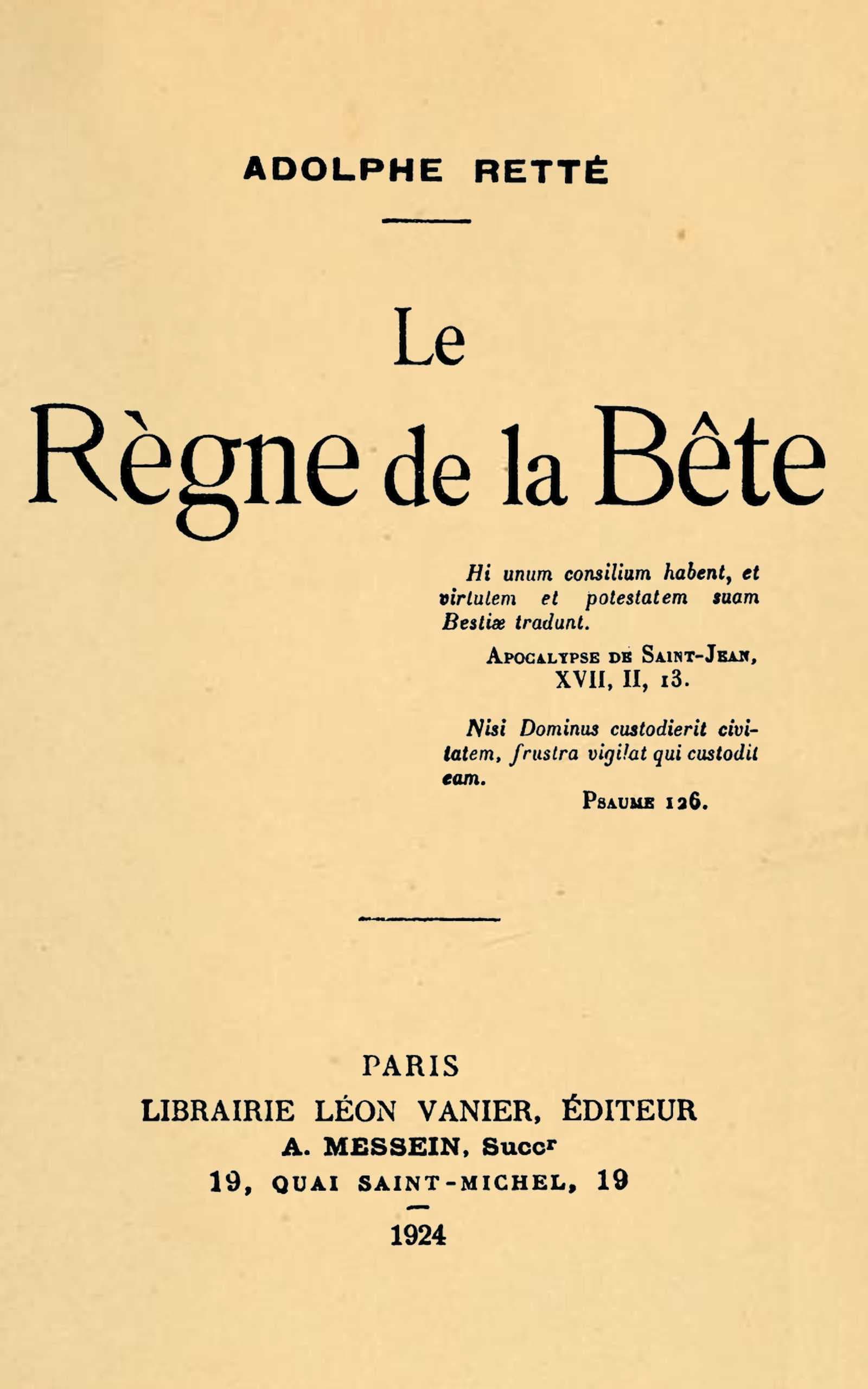
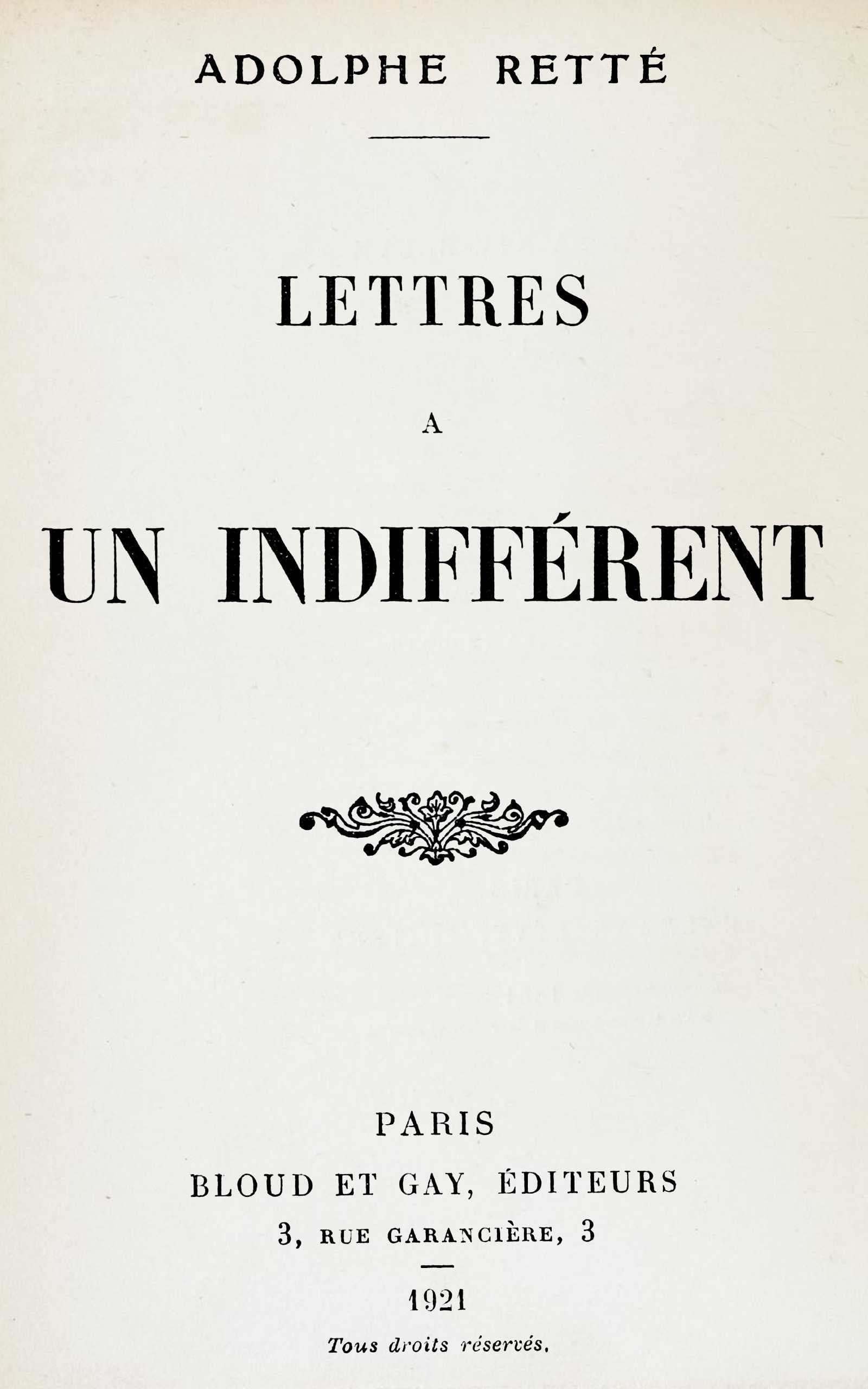
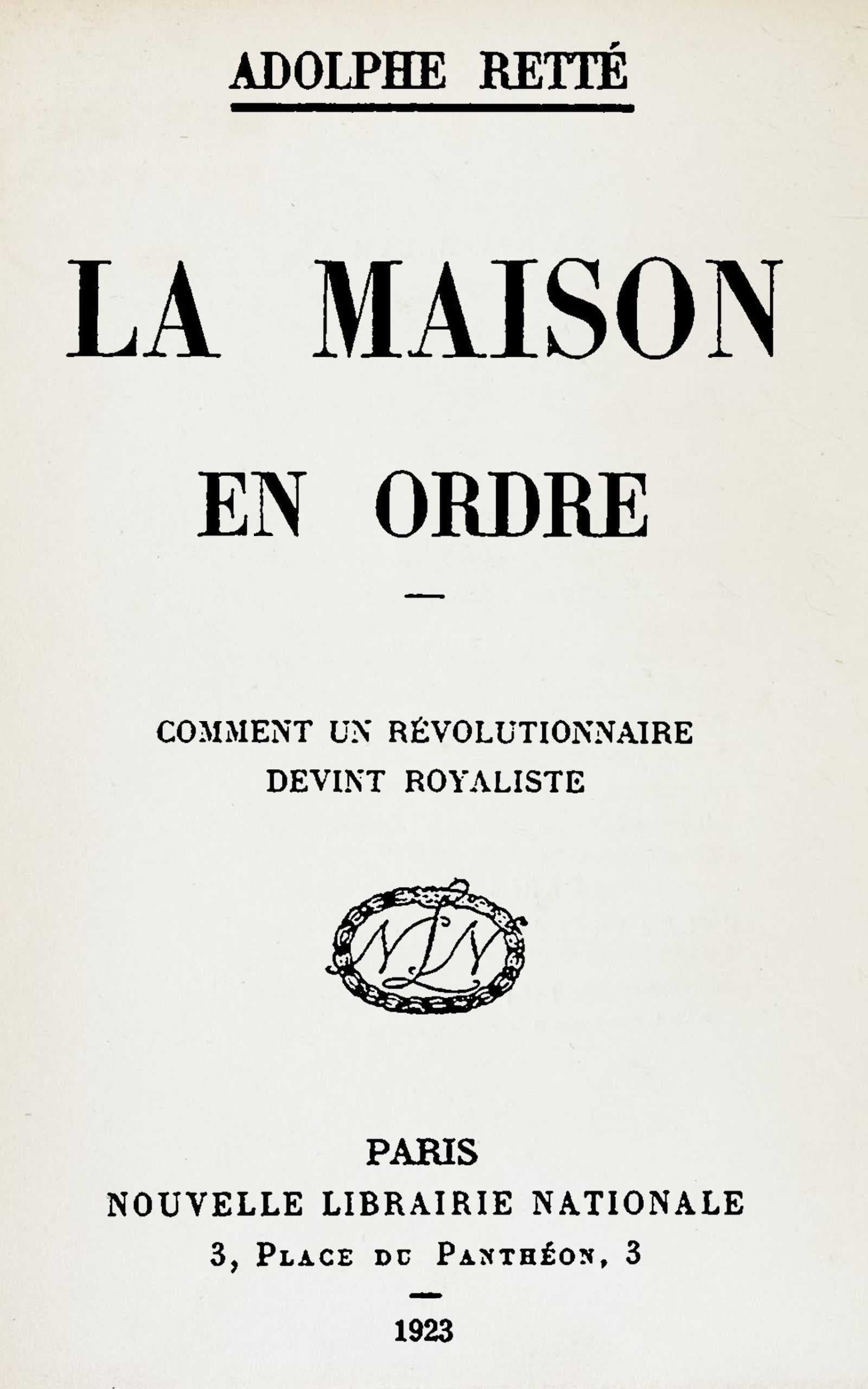
Editions

X-Ray
“He was a young man of savage & unexpected originality, a diseased genius & quite frankly, a mad genius. Imbeciles grow insane & in their insanity the imbecility remains stagnant or agitated; in the madness of a man of genius some genius often remains: the form & not the quality of intelligence has been affected; the fruit has been bruised in the fall, but has preserved all its perfume & all the savor of its pulp, hardly too ripe.””
— Adolphe Retté
“La Nebuleuse is a poem of lovely & deep perspective, where, symboloized by artless beings, are seen the successive generations of men following each other uncomprehendingly, almost undiscerningly, so different are their souls, & always summed up, to the moment of their decline, by the child, the future, the “nebula”, whose birth, finally confirmed, brings death. Under its morning clearness, to the faded smiles of aged stars. And, the vision ended, it is urged that this morrow, which is becoming today, will be altogether likes its dead brothers, & that in short there is nothing new in the spectacle which amuses the dead years leaning…But this “nothingness” has no importance for the human atoms that form & determine it; it is the delightful newness that we breathe & of which we live. The new! The new! And let each intelligence, though short-lived, affirm his will to exist, & to be dissimilar to all antecedent or surrounding manifestations, & let each nebula aspire to the character of a star whose light shall be distinct & clear among other lights.””
— Adolphe Retté
“Those who do not carry within them the soul of everything the world can show them, will do well to watch it: they will not recognize it, each thing being beautiful only according to the thought of him who gazes at it & reflects it in himself. Faith is essential in poetry as in religion, & faith has no need of seeing with corporeal eyes to contemplate that which it recognizes much better in itself. Such ideas were many times, under multiple forms, always new, expressed by Villiers de L'Isle-Adam in his works. Without going as far as Berkley's pure negations, which nevertheless are but the extreme logic of subjective idealism, he admitted in his conception of life, on the same plan, the Interior & the Exterior, Spirit & Matter, with a very visible tendency to give the first term domination over the second. For him the idea of progress was never anything but a subject for jest, together with the nonsense of the humanitarian positivists who teach, reversed mythology, that terrestrial paradise, a superstition if we assign it the past, becomes the sole legitimate hope if we place it in the future. On the contrary, he makes a protagonist (Edison doubtless) say in a short fragment of an old manuscript of l'Eve future: "We are in the ripe age of Humanity, that is all! Soon will come the senility & decrepitude of this strange polyp, & the evolution accomplished, his mortal return to the mysterious laboratory where all the Ghosts eternally work their experiments, by grace of some unquestionable necessity.””
— Adolphe Retté
“Everything, indeed, in a work of art should be unedited,--and even the words, by the manner of grouping them, of shaping them to new meanings,--and one often regrets having an alphabet familiar to too many half-lettered persons.””
— Adolphe Retté
Link to this book
Add a free, dofollow link to Lex on your blog, forum, syllabus, or reading list.

<a href="https://lex-books.com/book/l-on-bloy-essai-de-critique-quitable-69ed933a-f170-4f8a-b1b5-40c48ead4a0a"><img src="https://lex-books.com/badges/read-on-lex.svg" alt="Read Léon Bloy: Essai De Critique Équitable by Adolphe Retté free on Lex" width="160" height="40"></a>[](https://lex-books.com/book/l-on-bloy-essai-de-critique-quitable-69ed933a-f170-4f8a-b1b5-40c48ead4a0a)[url=https://lex-books.com/book/l-on-bloy-essai-de-critique-quitable-69ed933a-f170-4f8a-b1b5-40c48ead4a0a][img]https://lex-books.com/badges/read-on-lex.svg[/img][/url]Read Léon Bloy: Essai De Critique Équitable by Adolphe Retté free on Lex: https://lex-books.com/book/l-on-bloy-essai-de-critique-quitable-69ed933a-f170-4f8a-b1b5-40c48ead4a0aCite this book
Reading this edition for a paper or guide? Copy a citation.
Retté, Adolphe. Léon Bloy: Essai De Critique Équitable. Lex, lex-books.com/book/l-on-bloy-essai-de-critique-quitable-69ed933a-f170-4f8a-b1b5-40c48ead4a0a.Retté, A. (1923). Léon Bloy: Essai De Critique Équitable. Lex. https://lex-books.com/book/l-on-bloy-essai-de-critique-quitable-69ed933a-f170-4f8a-b1b5-40c48ead4a0aRetté, Adolphe. Léon Bloy: Essai De Critique Équitable. Lex. https://lex-books.com/book/l-on-bloy-essai-de-critique-quitable-69ed933a-f170-4f8a-b1b5-40c48ead4a0a.