A. Russell Bond
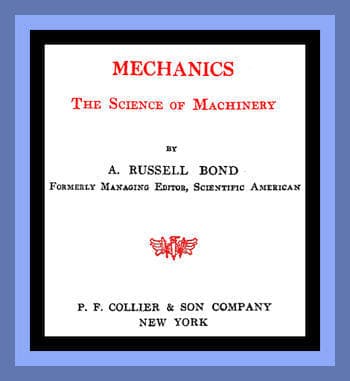
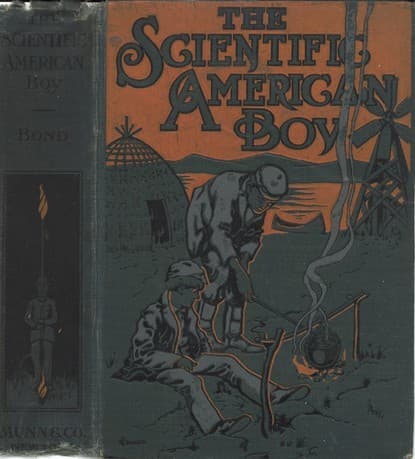
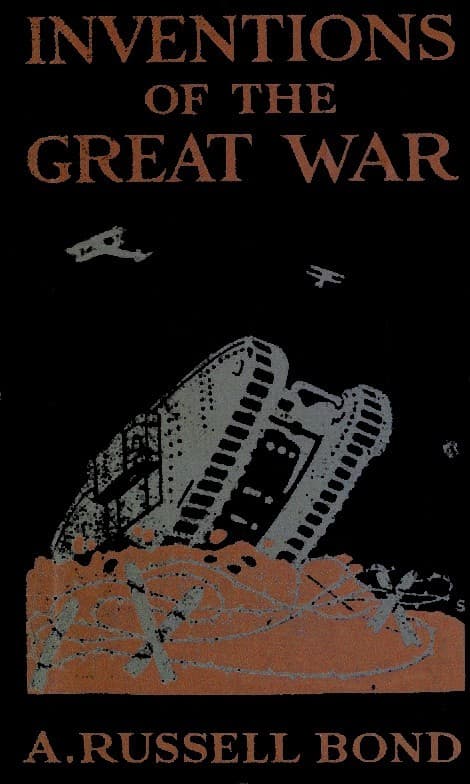
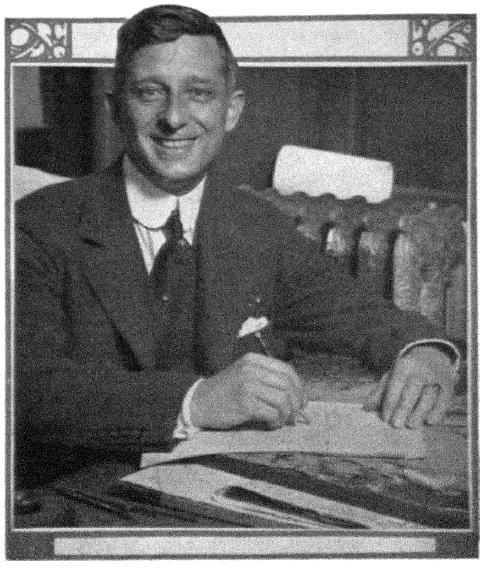
A. Russell Bond was an American author and educator known for his contributions to popular science and technology literature in the early 20th century. His works often aimed to engage young readers with the wonders of mechanics and invention, reflecting the era's fascination with industrial progress and scientific discovery. One of his notable works, 'Mechanics: The Science of Machinery,' served as an accessible introduction to the principles of machinery, making complex concepts understandable for a general audience. Bond's ability to simplify scientific ideas helped inspire a generation of young minds to explore the fields of engineering and technology. In addition to 'Mechanics,' Bond authored 'The Scientific American Boy; Or, the Camp at Willow Clump Island,' which combined adventure with scientific exploration, encouraging boys to embrace curiosity and hands-on learning. His book 'Inventions of the Great War' examined the technological advancements that emerged during World War I, highlighting the intersection of innovation and conflict. Through his engaging writing style and educational focus, Bond left a lasting impact on science education, particularly for youth, and contributed to the popularization of scientific knowledge during a transformative period in American history.
Famous Quotes
View all 2 quotes“A day may come when the courage of men fails, when we forsake our friends and break all bonds of fellowship, but it is not this day.””
“When one feels as though one is under constant existential threat, one cannot maintain the bonds of trust in others needed to build community or the kind of curiosity that can lead to finding ways to serve one another. Confidence in the kingdom of Christ, trust that our ultimate survival is assured in Christ, can enable us then not just to serve our Lord but to stop looking for substitutes for him. Some are panicked about rising secularism and what they fear will be hostility to the church, but act in ways that tie the witness of the church to forms of power that actually fuel secularization. Some of you are tempted toward cynicism, then, when you see people you thought you knew taking positions you never could imagine them taking, because of politics or culture. The first group sometimes speaks as though the church will collapse if "the culture" collapses. And members of the second group sometimes think that the church will not survive the scandals of what passes for Christian "influence" at the moment. Wherever you fit in this spectrum, though, we should all heed exactly what happened at Caesarea Philippi. Jesus rebuked Peter for seeking to adopt the way of Herod and of Caesar and of Baal”
Books from the author



Link to this page
Add a free, dofollow link to Lex on your blog, forum, syllabus, or reading list.

<a href="https://lex-books.com/author/a-russell-bond"><img src="https://lex-books.com/badges/read-on-lex.svg" alt="A. Russell Bond on Lex" width="160" height="40"></a>[](https://lex-books.com/author/a-russell-bond)[url=https://lex-books.com/author/a-russell-bond][img]https://lex-books.com/badges/read-on-lex.svg[/img][/url]A. Russell Bond on Lex: https://lex-books.com/author/a-russell-bond