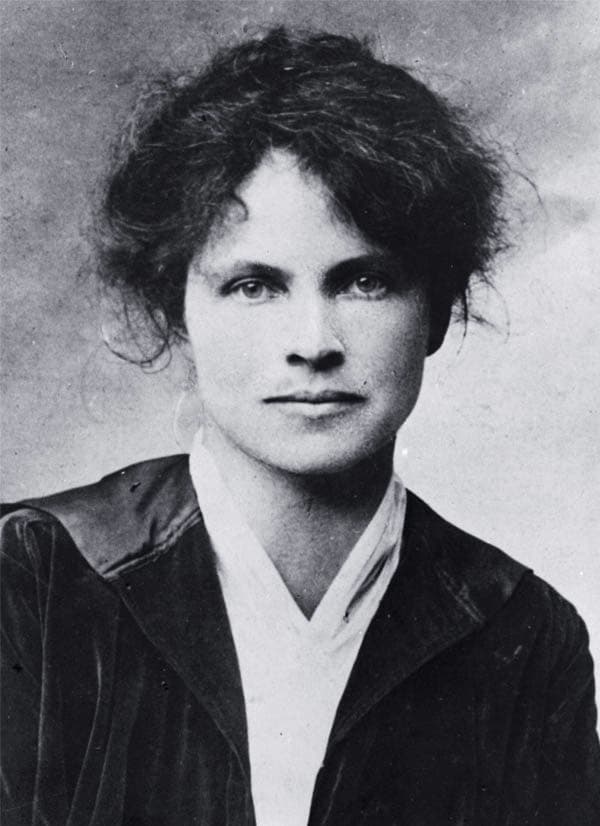
Dorothy Canfield Fisher
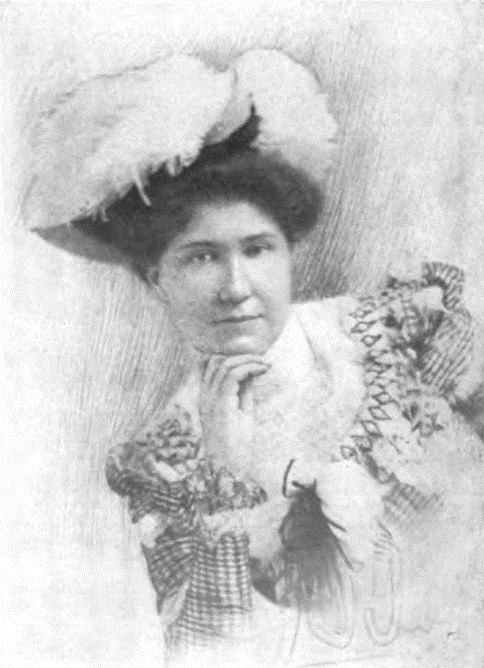
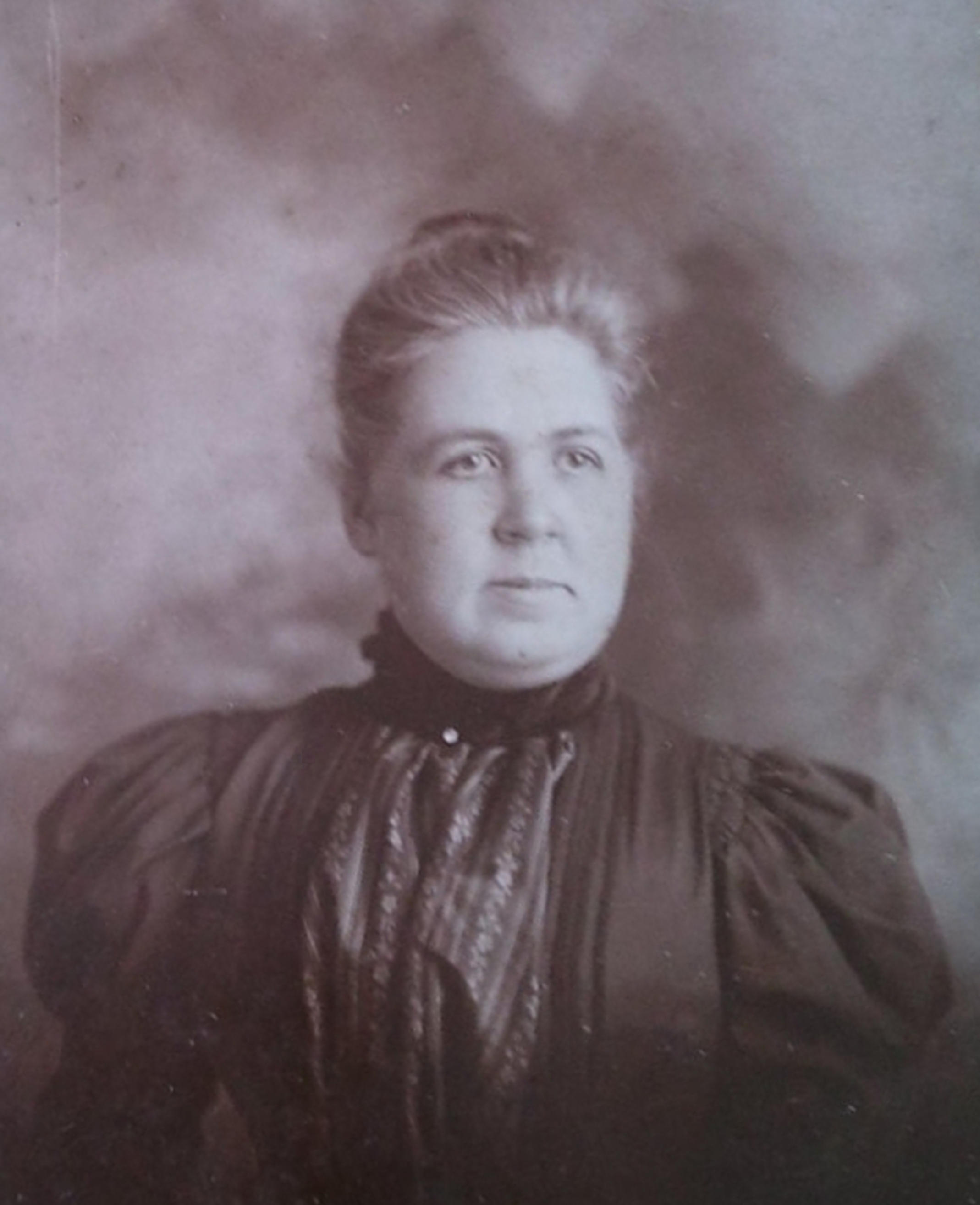
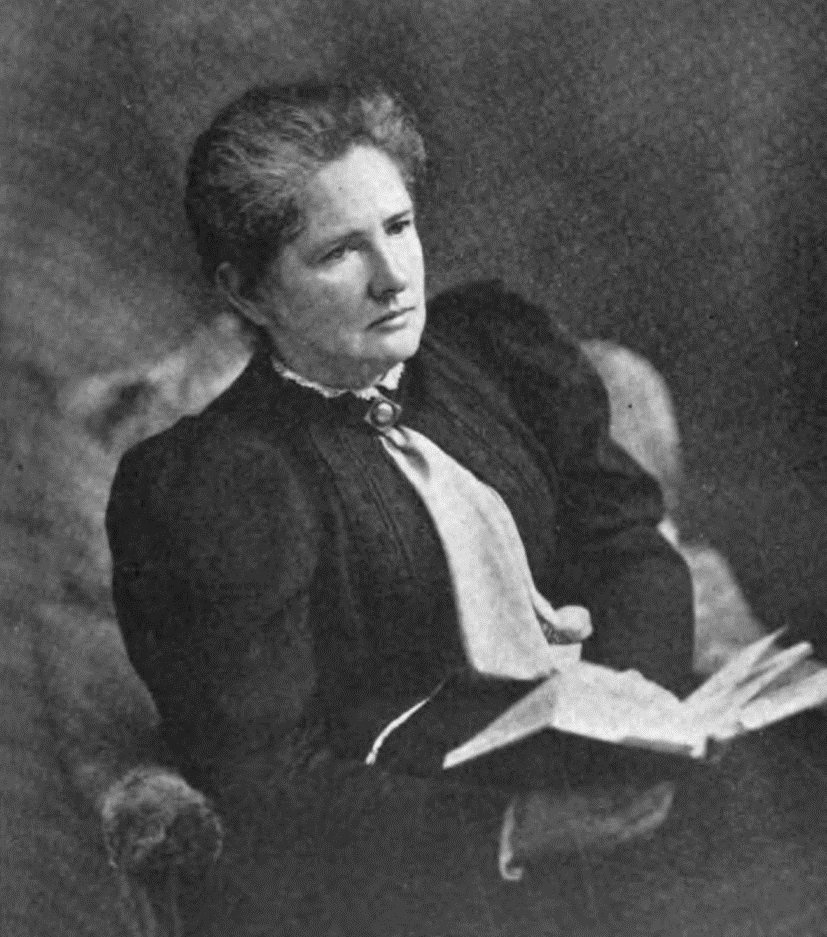
Dorothy Canfield Fisher was a prominent American author, educational reformer, and social activist in the early 20th century. Born into a progressive family, she became a leading advocate for women's rights and racial equality, using her platform to promote lifelong education. Her literary career flourished with notable works such as 'The Home-Maker' and 'Beneath the Boughs,' which explored themes of family dynamics and social issues, reflecting her commitment to improving society through literature. Fisher's writing also played a crucial role in popularizing the Montessori method of child-rearing in the United States, showcasing her belief in the importance of education in shaping individuals and communities. In addition to her literary contributions, Fisher was influential in the realm of adult education, presiding over the first adult education program in the country. Her tenure as a member of the Book of the Month Club selection committee from 1925 to 1951 further solidified her impact on American literary culture, as she helped guide readers toward significant works of the time. Recognized by Eleanor Roosevelt as one of the ten most influential women in the United States, Fisher's legacy endures through her advocacy for social reform and her contributions to literature, making her a key figure in the cultural landscape of her era.
Famous Quotes
View all 3 quotes“...there are two ways to meet life; you may refuse to care until indifference becomes a habit, a defensive armor, and you are safe - but bored. Or you can care greatly, live greatly, until life breaks you on its wheel.”
“It is not good for all our wishes to be filled; through sickness we recognize the value of health; through evil, the value of good; through hunger, the value of food; through exertion, the value of rest.”
“If we would give, just once, the same amount of reflection to what we want out of life that we give to the question of what to do with a two weeks’ vacation, we would be startled at our false standards and the aimless procession of our busy days.”
Books from the author





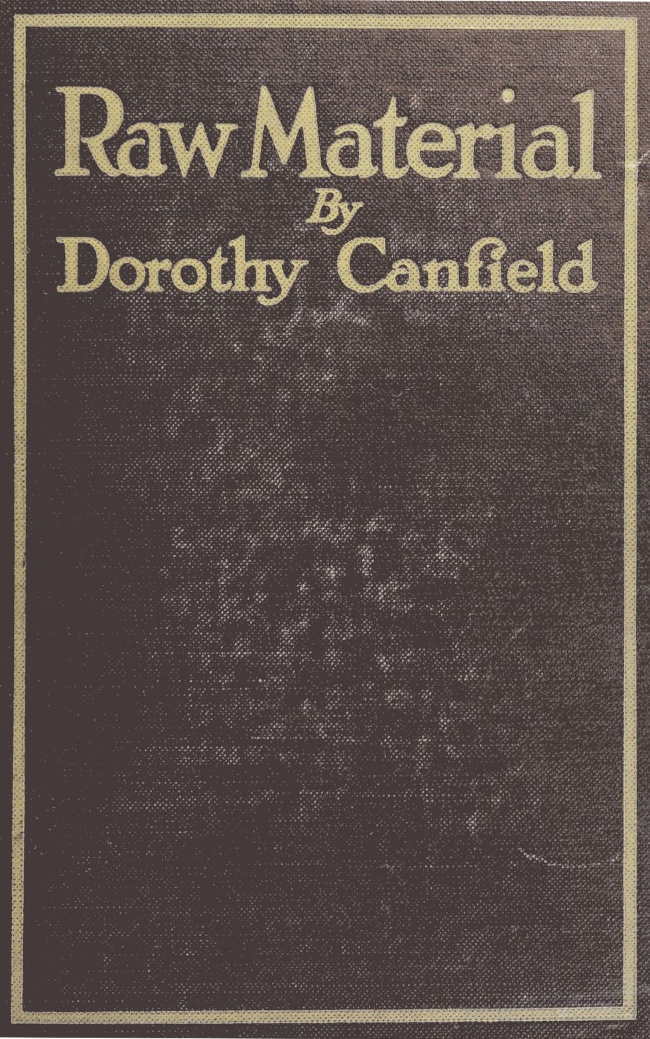




Link to this page
Add a free, dofollow link to Lex on your blog, forum, syllabus, or reading list.

<a href="https://lex-books.com/author/dorothy-canfield-fisher"><img src="https://lex-books.com/badges/read-on-lex.svg" alt="Dorothy Canfield Fisher on Lex" width="160" height="40"></a>[](https://lex-books.com/author/dorothy-canfield-fisher)[url=https://lex-books.com/author/dorothy-canfield-fisher][img]https://lex-books.com/badges/read-on-lex.svg[/img][/url]Dorothy Canfield Fisher on Lex: https://lex-books.com/author/dorothy-canfield-fisher