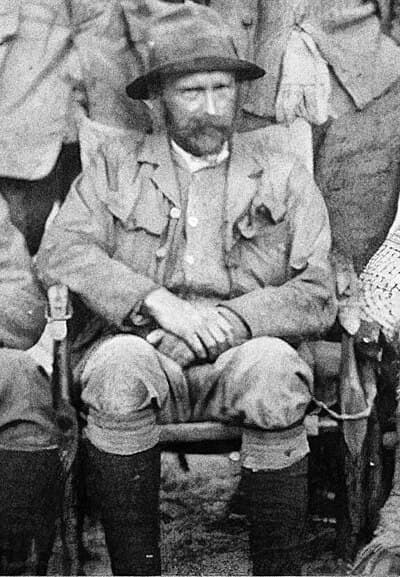
A. F. R. Wollaston
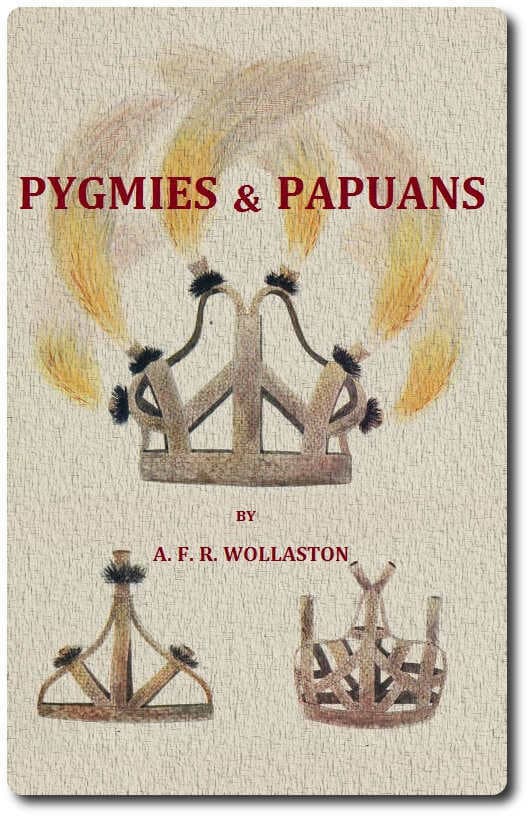
A. F. R. Wollaston was a British anthropologist and explorer known for his significant contributions to the understanding of the indigenous peoples of New Guinea. His most notable work, 'Pygmies & Papuans: The Stone Age To-Day in Dutch New Guinea,' published in 1912, provided an in-depth examination of the cultures, languages, and daily lives of the region's inhabitants. Wollaston's ethnographic studies were pioneering for their time, as they offered a detailed account of the social structures and practices of these communities, which were largely unknown to the Western world. Wollaston’s explorations and writings not only enriched the field of anthropology but also sparked interest in the complexities of human societies living in what was perceived as a primitive state. His work highlighted the importance of preserving indigenous cultures and provided a critical perspective on colonial attitudes towards non-Western societies. Though not as widely recognized today, Wollaston's contributions laid groundwork for future anthropological research and emphasized the value of firsthand observation in understanding human diversity.
Books from the author








Link to this page
Add a free, dofollow link to Lex on your blog, forum, syllabus, or reading list.

<a href="https://lex-books.com/author/a-f-r-wollaston"><img src="https://lex-books.com/badges/read-on-lex.svg" alt="A. F. R. Wollaston on Lex" width="160" height="40"></a>[](https://lex-books.com/author/a-f-r-wollaston)[url=https://lex-books.com/author/a-f-r-wollaston][img]https://lex-books.com/badges/read-on-lex.svg[/img][/url]A. F. R. Wollaston on Lex: https://lex-books.com/author/a-f-r-wollaston