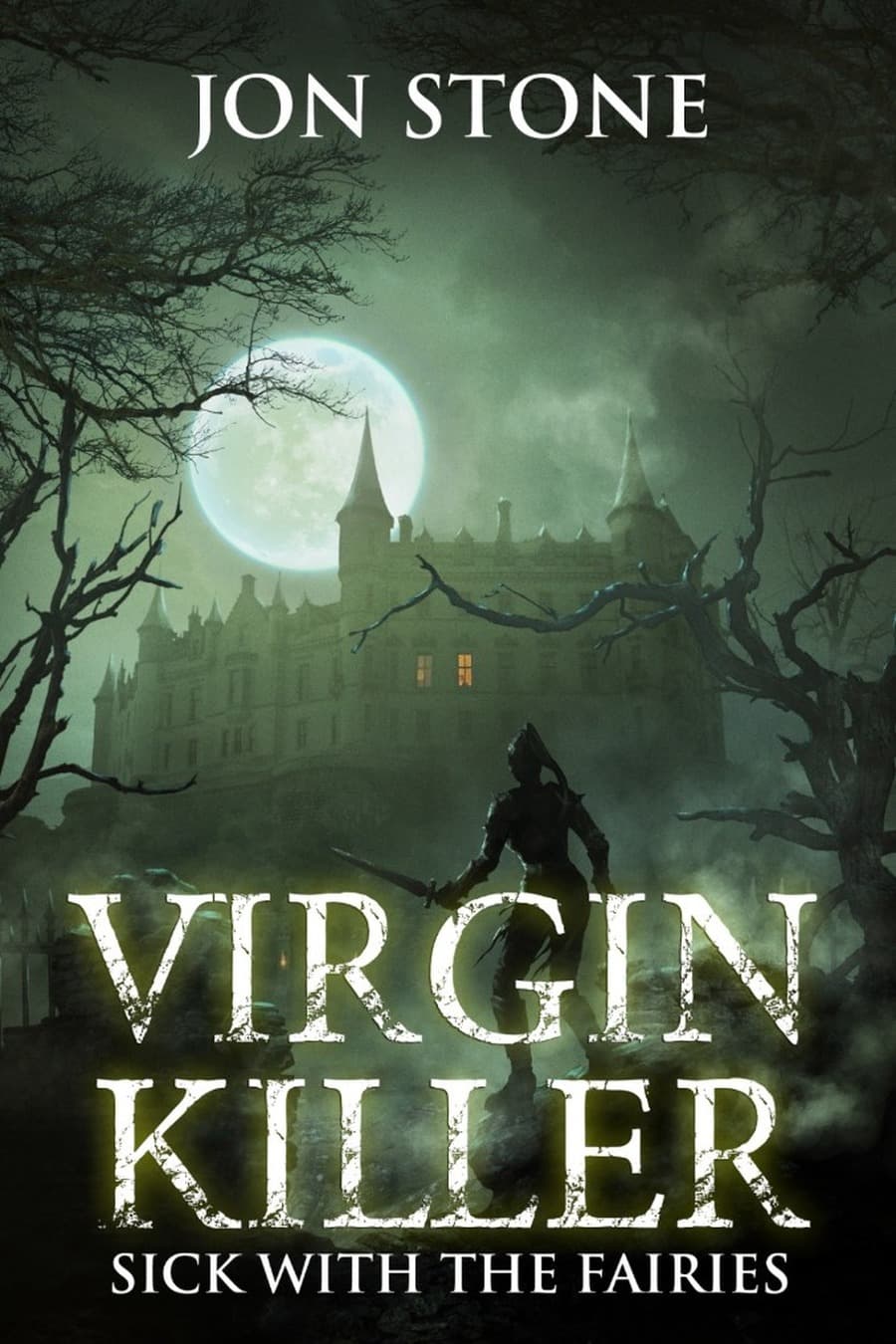
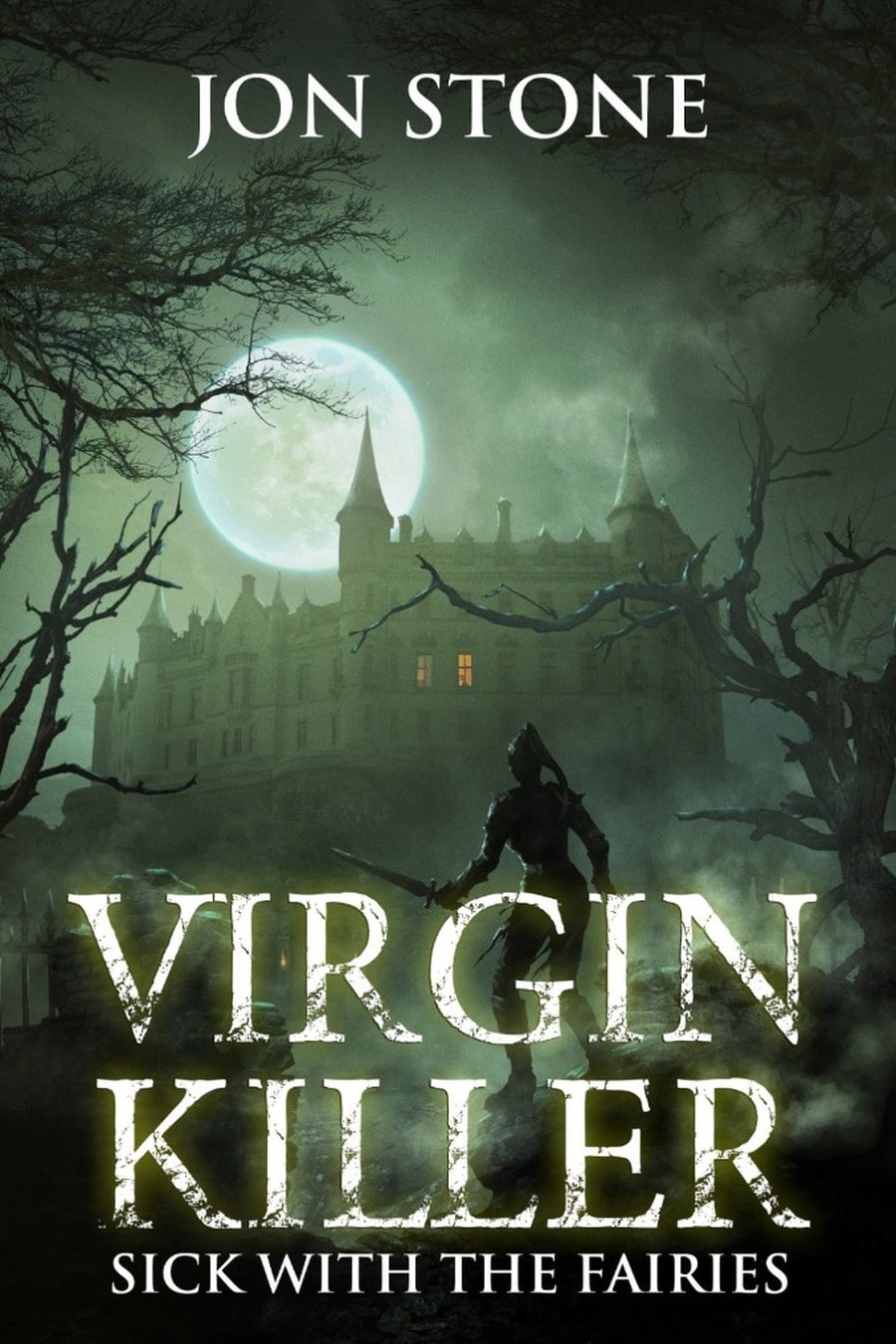
Virgin Killer: Sick with the Fairies
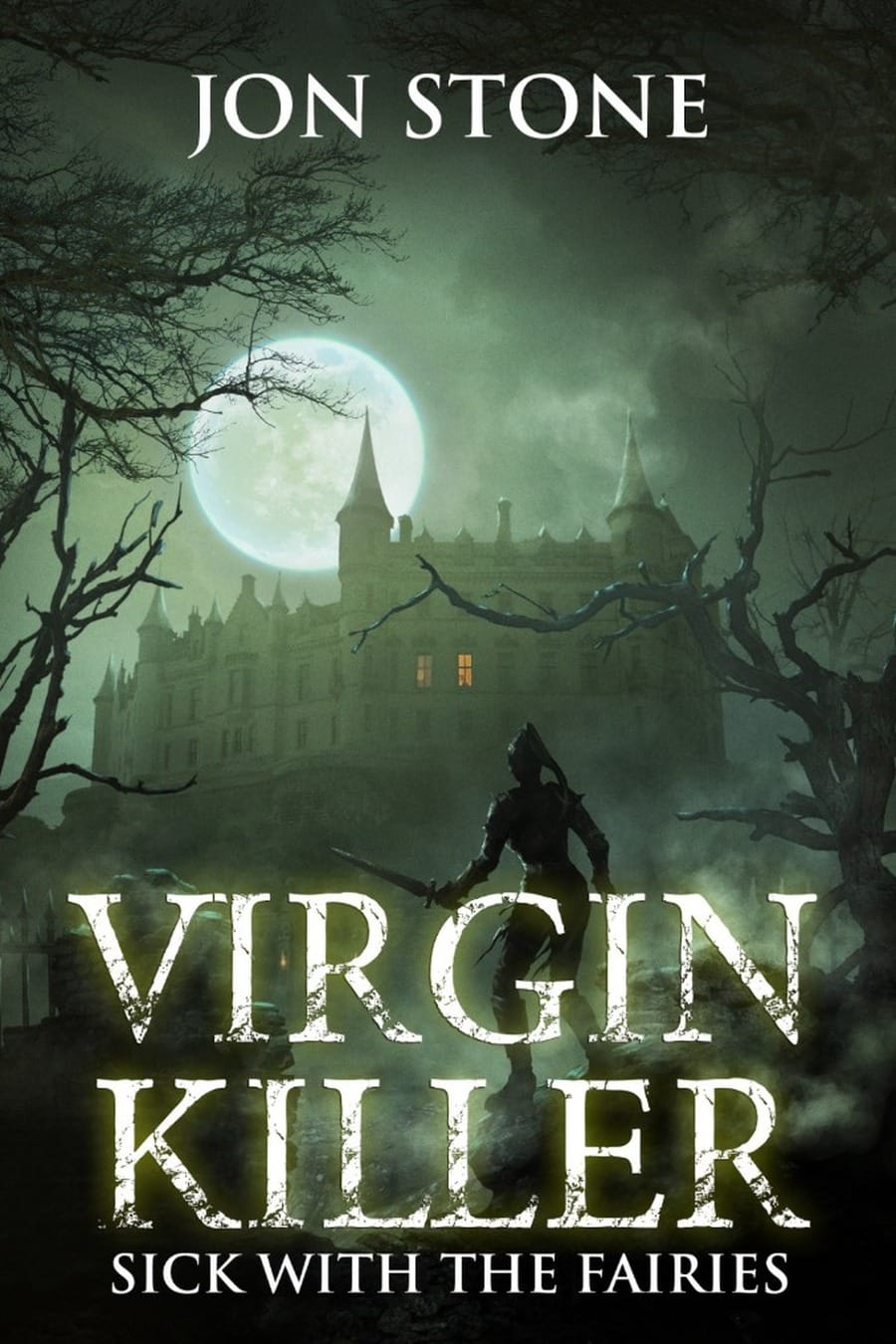
Adventure and horror clash with hilarious satire about a world grappling with pandemics and shifting cultural norms in this disturbing epic fantasy novel inspired by Alfred Hitchcock’s Psycho and Jon Stone’s The Monster at the End of This Book. Follow the twisted journey of Norman Baynes, a serial killer with split personalities, as he struggles to find a publisher for his epic poetry masterpiece. In this messed up world where humans are a rare sight, is Norman a hero or a villain? You decide!
Editions

X-Ray
A psychopathic serial killer and gifted poet, known as the Virgin Killer, who struggles with his murderous addiction and his alternate personality, Hansel.
Norman's alternate personality, a flamboyant and seductive poet who takes control at night, embracing the Virgin Killer persona and seeking fame for his poetry.
A powerful fairy illusionist and leader of the anti-vampire revolution, who blackmails Norman/Hansel into assassinating Bishop Drakulagrimmson.
A kind human barmaid at the Tossing Rump, whom Hansel courts with his poetry.
About Virgin Killer: Sick with the Fairies
Chapter Summaries
- 1
- Norman Baynes, the infamous Virgin Killer, arrives in Maryville in disguise. After a tense coach ride and a confrontation with a blade smith, a fairy named Master Brooks intervenes, revealing the smith's illusion. Master Brooks, a master illusionist, blackmails Norman/Hansel into joining his revolution to kill Bishop Drakulagrimmson, promising to publish Hansel's poetry.
- 2
- Hansel, in control, meets and seduces Mary-Anne, a barmaid, with his poetry. Norman wakes to find himself tied up by Saint Julia and her Holy Diet missionaries, a consequence of Hansel's scheme to get safe passage to Wurzburg. Norman struggles against his bonds, realizing Hansel's deception.
Key Themes
- Identity and Dual Nature
- The core of the narrative revolves around Norman and Hansel, two distinct personalities sharing one body. Norman is the 'virgin' who abhors his addiction and seeks redemption through poetry, while Hansel embraces the 'Virgin Killer' persona, reveling in murder and seeking fame. This internal conflict explores how identity is shaped by perception, desire, and the struggle for control.
- Morality and Justified Violence
- The book constantly questions the nature of good and evil, particularly through Norman's 'addiction' to murder and the revolution's 'justified' violence. Norman kills indiscriminately, yet is perceived as a hero for targeting 'sinners,' while the Church, despite its corruption, represents order. This blurs the lines between villainy and heroism, suggesting that morality is often subjective and self-serving.
- Illusion vs. Reality
- Magic, disguises, and propaganda are central to the plot, creating a world where appearances are constantly deceptive. Master Brooks's illusions, Norman's costumes, and the 'lie' spread by the Pope all highlight how easily reality can be manipulated, influencing perception and belief, often with chaotic consequences.
Characters
- Norman Baynes(protagonist)
- A psychopathic serial killer and gifted poet, known as the Virgin Killer, who struggles with his murderous addiction and his alternate personality, Hansel.
- Hansel(protagonist)
- Norman's alternate personality, a flamboyant and seductive poet who takes control at night, embracing the Virgin Killer persona and seeking fame for his poetry.
- Master Brooks(supporting)
- A powerful fairy illusionist and leader of the anti-vampire revolution, who blackmails Norman/Hansel into assassinating Bishop Drakulagrimmson.
- Mary-Anne(supporting)
- A kind human barmaid at the Tossing Rump, whom Hansel courts with his poetry.
- Tex(supporting)
- A bull-man and loyal worker for Master Brooks, initially hostile to Norman.
- Abaia(supporting)
- The wealthiest fish-lady wine merchant in Maryville.
Narrated by
Clyde
AI-generated · Word-synced · 19 chapters
Link to this book
Add a free, dofollow link to Lex on your blog, forum, syllabus, or reading list.

<a href="https://lex-books.com/book/virgin-killer-sick-with-the-fairies-5cb9c197-6717-4fcf-babe-ea74b60b25a9"><img src="https://lex-books.com/badges/read-on-lex.svg" alt="Read Virgin Killer: Sick with the Fairies by Jon Stone free on Lex" width="160" height="40"></a>[](https://lex-books.com/book/virgin-killer-sick-with-the-fairies-5cb9c197-6717-4fcf-babe-ea74b60b25a9)[url=https://lex-books.com/book/virgin-killer-sick-with-the-fairies-5cb9c197-6717-4fcf-babe-ea74b60b25a9][img]https://lex-books.com/badges/read-on-lex.svg[/img][/url]Read Virgin Killer: Sick with the Fairies by Jon Stone free on Lex: https://lex-books.com/book/virgin-killer-sick-with-the-fairies-5cb9c197-6717-4fcf-babe-ea74b60b25a9Cite this book
Reading this edition for a paper or guide? Copy a citation.
Stone, Jon. Virgin Killer: Sick with the Fairies. Lex, lex-books.com/book/virgin-killer-sick-with-the-fairies-5cb9c197-6717-4fcf-babe-ea74b60b25a9.Stone, J. (n.d.). Virgin Killer: Sick with the Fairies. Lex. https://lex-books.com/book/virgin-killer-sick-with-the-fairies-5cb9c197-6717-4fcf-babe-ea74b60b25a9Stone, Jon. Virgin Killer: Sick with the Fairies. Lex. https://lex-books.com/book/virgin-killer-sick-with-the-fairies-5cb9c197-6717-4fcf-babe-ea74b60b25a9.