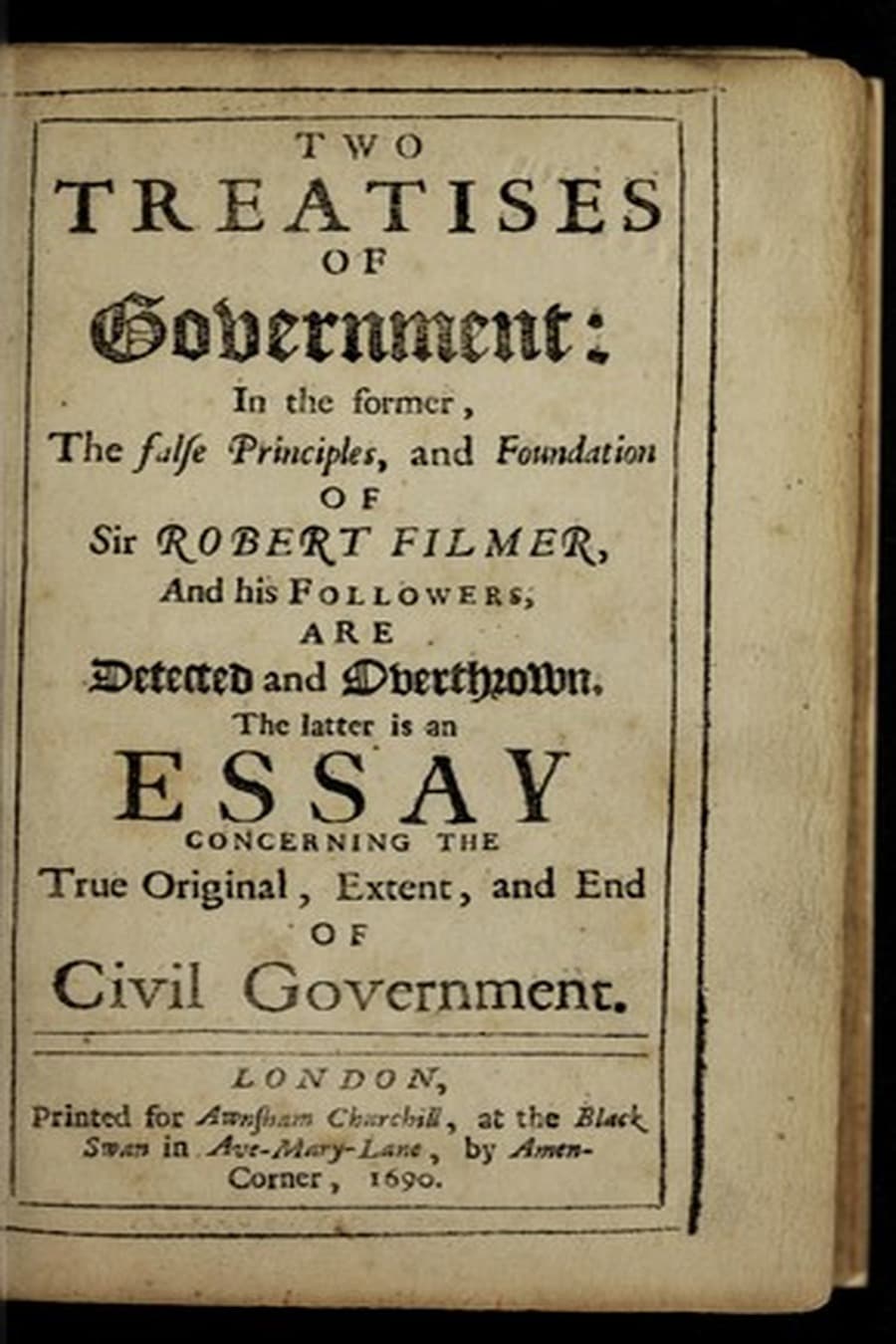
Two Treatises of Civil Government
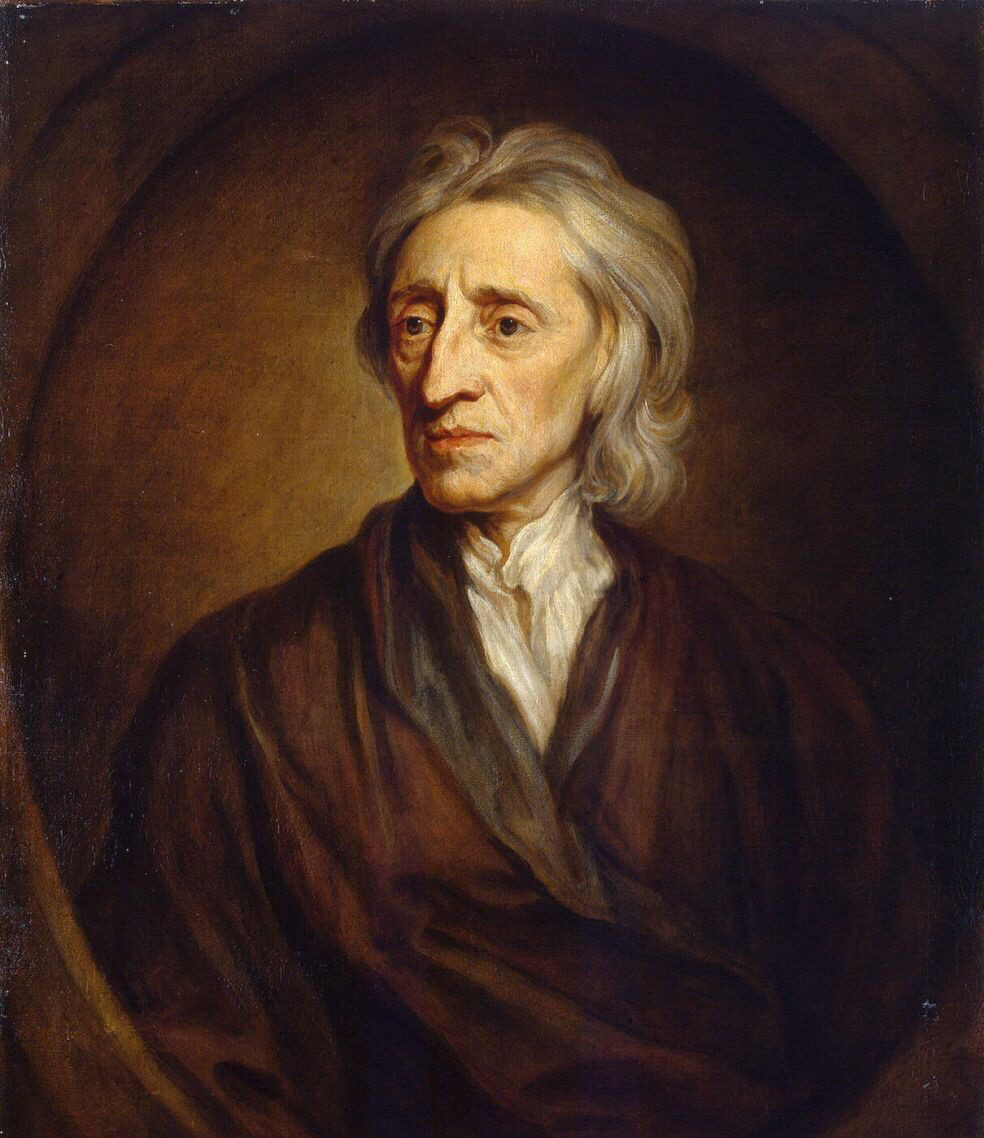
The most dangerous book in English prose. In 1689, John Locke quietly demolished the intellectual case for tyranny: the divine right of kings, the natural superiority of monarchs, the idea that subjects were born to obey. His Second Treatise builds from a radical premise, in a "state of nature," every person possesses natural rights to life, liberty, and property, and arrives at an audacious conclusion: governments exist only by the consent of the governed and may be dissolved when they violate those rights. Locke argues that legitimate political authority must rest on a social contract, with individuals surrendering only enough freedom to secure protection for the rest. These ideas didn't just influence revolutions; they became the philosophical blueprint for modern democracy. The Declaration of Independence borrowed liberally from these pages. Two centuries later, Locke's arguments about power, rights, and the limits of government remain the unspoken foundation of every democratic constitution. For anyone who wonders why we expect governments to derive "their just powers from the consent of the governed," this is where the idea was born.
Editions

Read by
Group Narration
7 readers
Philippa, D.E. Wittkower, Anna Simon, Nikki Sullivan +3 more
Link to this book
Add a free, dofollow link to Lex on your blog, forum, syllabus, or reading list.

<a href="https://lex-books.com/book/two-treatises-of-civil-government-4471bb3b-446e-463b-991c-2a292ce24510"><img src="https://lex-books.com/badges/read-on-lex.svg" alt="Read Two Treatises of Civil Government by John Locke free on Lex" width="160" height="40"></a>[](https://lex-books.com/book/two-treatises-of-civil-government-4471bb3b-446e-463b-991c-2a292ce24510)[url=https://lex-books.com/book/two-treatises-of-civil-government-4471bb3b-446e-463b-991c-2a292ce24510][img]https://lex-books.com/badges/read-on-lex.svg[/img][/url]Read Two Treatises of Civil Government by John Locke free on Lex: https://lex-books.com/book/two-treatises-of-civil-government-4471bb3b-446e-463b-991c-2a292ce24510Cite this book
Reading this edition for a paper or guide? Copy a citation.
Locke, John. Two Treatises of Civil Government. Lex, lex-books.com/book/two-treatises-of-civil-government-4471bb3b-446e-463b-991c-2a292ce24510.Locke, J. (n.d.). Two Treatises of Civil Government. Lex. https://lex-books.com/book/two-treatises-of-civil-government-4471bb3b-446e-463b-991c-2a292ce24510Locke, John. Two Treatises of Civil Government. Lex. https://lex-books.com/book/two-treatises-of-civil-government-4471bb3b-446e-463b-991c-2a292ce24510.