Treatises on Friendship and Old Age
Treatises on Friendship and Old Age
Translated by Evelyn S. (Evelyn Shirley) Shuckburgh
Cicero wrote these two dialogues in the final months of his life, when Rome was reeling from Caesar's assassination and political chaos threatened everything he valued. In "Laelius on Friendship," he uses the voice of the elder statesman Gaius Laelius to eulogize his late friend Scipio Aemilianus while articulating what makes friendship sacred: virtue as its foundation, loyalty as its test, and the willingness to love without calculation. In "Cato Maior on Old Age," the aged Cato the Elder argues with young Scipio and Laelius about whether aging is a burden or a crown of honor. Both treatises carry the weight of a man confronting mortality, political ruin, and the fragility of everything he built. These aren't abstract philosophical exercises. They're love letters to wisdom, written by someone who had seen friendship destroy careers and old age strip away power, yet still believed in both. Two thousand years later, they remain the most humane and practical guides we have to two of life's hardest questions: how to love someone without being used, and how to face the years when your body fails and your influence fades.
Editions
X-Ray
“The shifts of fortune test the reliability of friends.””
— Marcus Tullius Cicero
“What can be more delightful than to have some one to whom you can say everything with the same absolute confidence as to yourself? Is not prosperity robbed of half its value if you have no one to share your joy?””
— Marcus Tullius Cicero
“Just as apples when unripe are torn from trees, but when ripe and mellow drop down, so it is violence that takes life from young men, ripeness from old. This ripeness is so delightful to me that, as I approach nearer to death, I seem, as it were, to be sighting land, and to be coming to port at last after a long voyage.””
— Marcus Tullius Cicero
“But I must at the very beginning lay down this principle”
— Marcus Tullius Cicero
“We must stand up against old age and make up for its drawbacks by taking pains. We must fight it as we should an illness. We must look after our health, use moderate exercise, take just enough food and drink to recruit, but not to overload, our strength. Nor is it the body alone that must be supported, but the intellect and soul much more.””
— Marcus Tullius Cicero
“Is not prosperity robbed of half its value if you have no one to share your joy?””
— Marcus Tullius Cicero
“We mean then by the "good" those whose actions and lives leave no question as to their honour, purity, equity, and liberality; who are free from greed, lust, and violence; and who have the courage of their convictions.””
— Marcus Tullius Cicero
“they follow nature as the most perfect guide to a good life. Now””
— Marcus Tullius Cicero
“But if I am wrong in thinking the human soul immortal, I am glad to be wrong; nor will I allow the mistake which gives me so much pleasure to be wrested from me as long as I live.””
— Marcus Tullius Cicero
Link to this book
Add a free, dofollow link to Lex on your blog, forum, syllabus, or reading list.

<a href="https://lex-books.com/book/treatises-on-friendship-and-old-age-9c3b84df-6998-4c56-82ff-dd2c5e22cd4c"><img src="https://lex-books.com/badges/read-on-lex.svg" alt="Read Treatises on Friendship and Old Age by Marcus Tullius Cicero free on Lex" width="160" height="40"></a>[](https://lex-books.com/book/treatises-on-friendship-and-old-age-9c3b84df-6998-4c56-82ff-dd2c5e22cd4c)[url=https://lex-books.com/book/treatises-on-friendship-and-old-age-9c3b84df-6998-4c56-82ff-dd2c5e22cd4c][img]https://lex-books.com/badges/read-on-lex.svg[/img][/url]Read Treatises on Friendship and Old Age by Marcus Tullius Cicero free on Lex: https://lex-books.com/book/treatises-on-friendship-and-old-age-9c3b84df-6998-4c56-82ff-dd2c5e22cd4cCite this book
Reading this edition for a paper or guide? Copy a citation.
Cicero, Marcus Tullius. Treatises on Friendship and Old Age. Lex, lex-books.com/book/treatises-on-friendship-and-old-age-9c3b84df-6998-4c56-82ff-dd2c5e22cd4c.Cicero, M. T. (n.d.). Treatises on Friendship and Old Age. Lex. https://lex-books.com/book/treatises-on-friendship-and-old-age-9c3b84df-6998-4c56-82ff-dd2c5e22cd4cCicero, Marcus Tullius. Treatises on Friendship and Old Age. Lex. https://lex-books.com/book/treatises-on-friendship-and-old-age-9c3b84df-6998-4c56-82ff-dd2c5e22cd4c.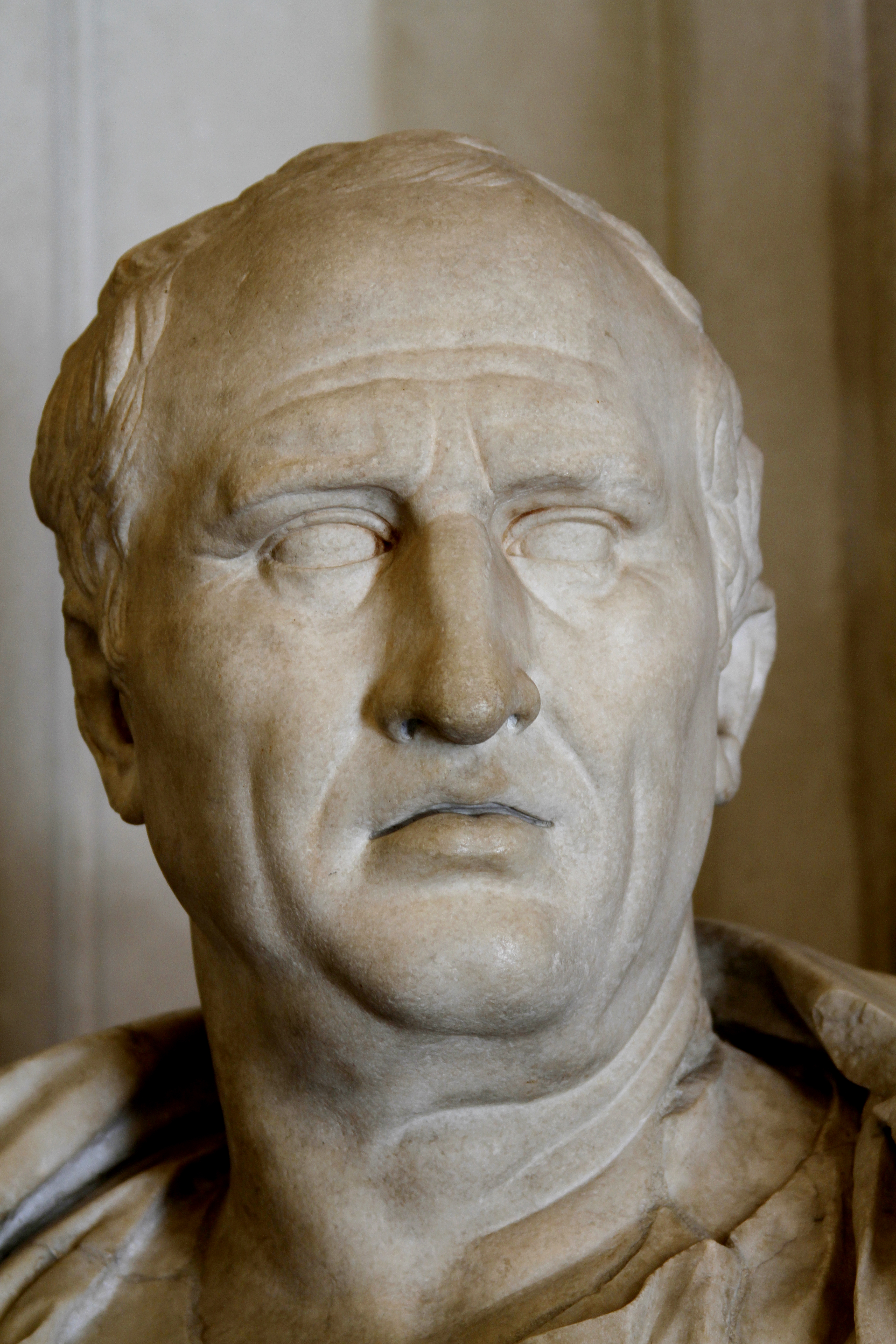






![The Lettsomian Lectures on Diseases and Disorders of the Heart and Arteries in Middle and Advanced Life [1900-1901]](/_next/image?url=https%3A%2F%2Fd3b2n8gj62qnwr.cloudfront.net%2FCOVERS%2Fgutenberg_covers75k%2Febook-43780.png&w=3840&q=75)