Treatise on the Power and Primacy of the Pope
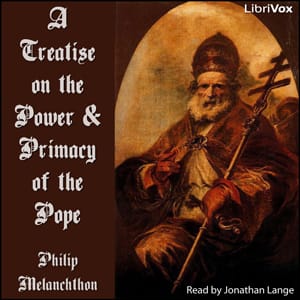
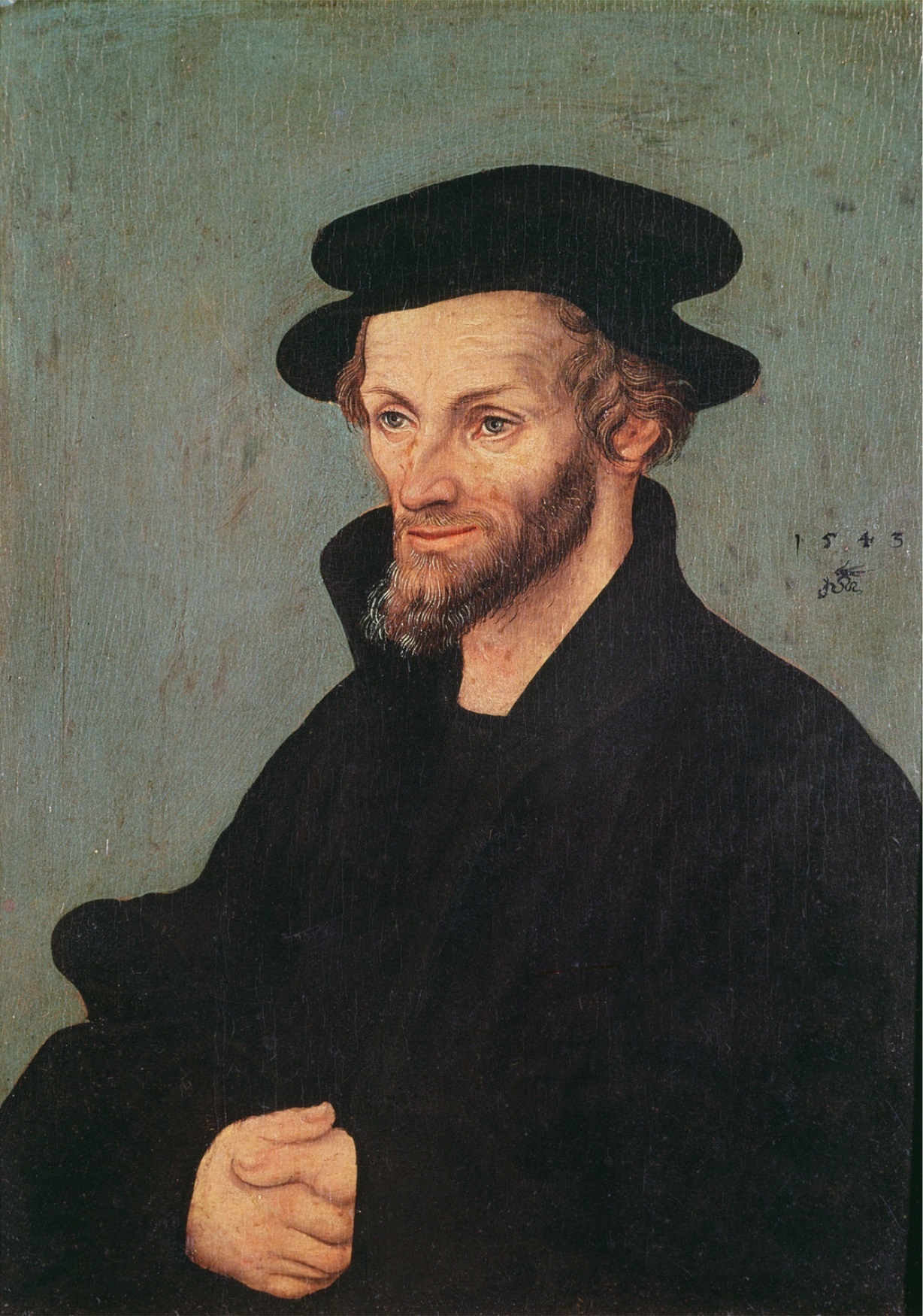
In 1537, as Protestant theologians gathered in secrecy at Smalcald, Philipp Melanchthon composed a document that would become one of the most consequential theological polemics of the Reformation. The Treatise on the Power and Primacy of the Pope systematically dismantles the claim of papal supremacy, arguing from Scripture and the practices of the early church that no single bishop possesses authority over all Christians. Melanchthon distinguishes between the Pope's legitimate pastoral duties and his unauthorized claim to universal dominion, contending that such power has no biblical foundation and represents a corruption of genuine ecclesiastical office. Written during a period of intense political and religious tension, the treatise was both theological argument and political act. It articulates the Protestant case for why the Pope cannot be acknowledged as the head of the universal church, instead positioning Christ as the sole head of His body. The document became the seventh confessional writing of the Book of Concord, the foundational collection of Lutheran doctrine that still shapes Protestant identity today. For readers interested in the intellectual foundations of the Reformation, the nature of religious authority, or the historical debates that continue to echo in church-state relations, this treatise offers a window into one of Christianity's most consequential schisms.
Editions

Link to this book
Add a free, dofollow link to Lex on your blog, forum, syllabus, or reading list.

<a href="https://lex-books.com/book/treatise-on-the-power-and-primacy-of-the-pope-171487a2-764c-4370-82b6-f729225570ba"><img src="https://lex-books.com/badges/read-on-lex.svg" alt="Read Treatise on the Power and Primacy of the Pope by Philipp Melanchthon free on Lex" width="160" height="40"></a>[](https://lex-books.com/book/treatise-on-the-power-and-primacy-of-the-pope-171487a2-764c-4370-82b6-f729225570ba)[url=https://lex-books.com/book/treatise-on-the-power-and-primacy-of-the-pope-171487a2-764c-4370-82b6-f729225570ba][img]https://lex-books.com/badges/read-on-lex.svg[/img][/url]Read Treatise on the Power and Primacy of the Pope by Philipp Melanchthon free on Lex: https://lex-books.com/book/treatise-on-the-power-and-primacy-of-the-pope-171487a2-764c-4370-82b6-f729225570baCite this book
Reading this edition for a paper or guide? Copy a citation.
Melanchthon, Philipp. Treatise on the Power and Primacy of the Pope. Lex, lex-books.com/book/treatise-on-the-power-and-primacy-of-the-pope-171487a2-764c-4370-82b6-f729225570ba.Melanchthon, P. (n.d.). Treatise on the Power and Primacy of the Pope. Lex. https://lex-books.com/book/treatise-on-the-power-and-primacy-of-the-pope-171487a2-764c-4370-82b6-f729225570baMelanchthon, Philipp. Treatise on the Power and Primacy of the Pope. Lex. https://lex-books.com/book/treatise-on-the-power-and-primacy-of-the-pope-171487a2-764c-4370-82b6-f729225570ba.