The Augsburg Confession: The Confession of Faith, Which Was Submitted to His Imperial Majesty Charles V at the Diet of Augsburg in the Year 1530
The Augsburg Confession: The Confession of Faith, Which Was Submitted to His Imperial Majesty Charles V at the Diet of Augsburg in the Year 1530
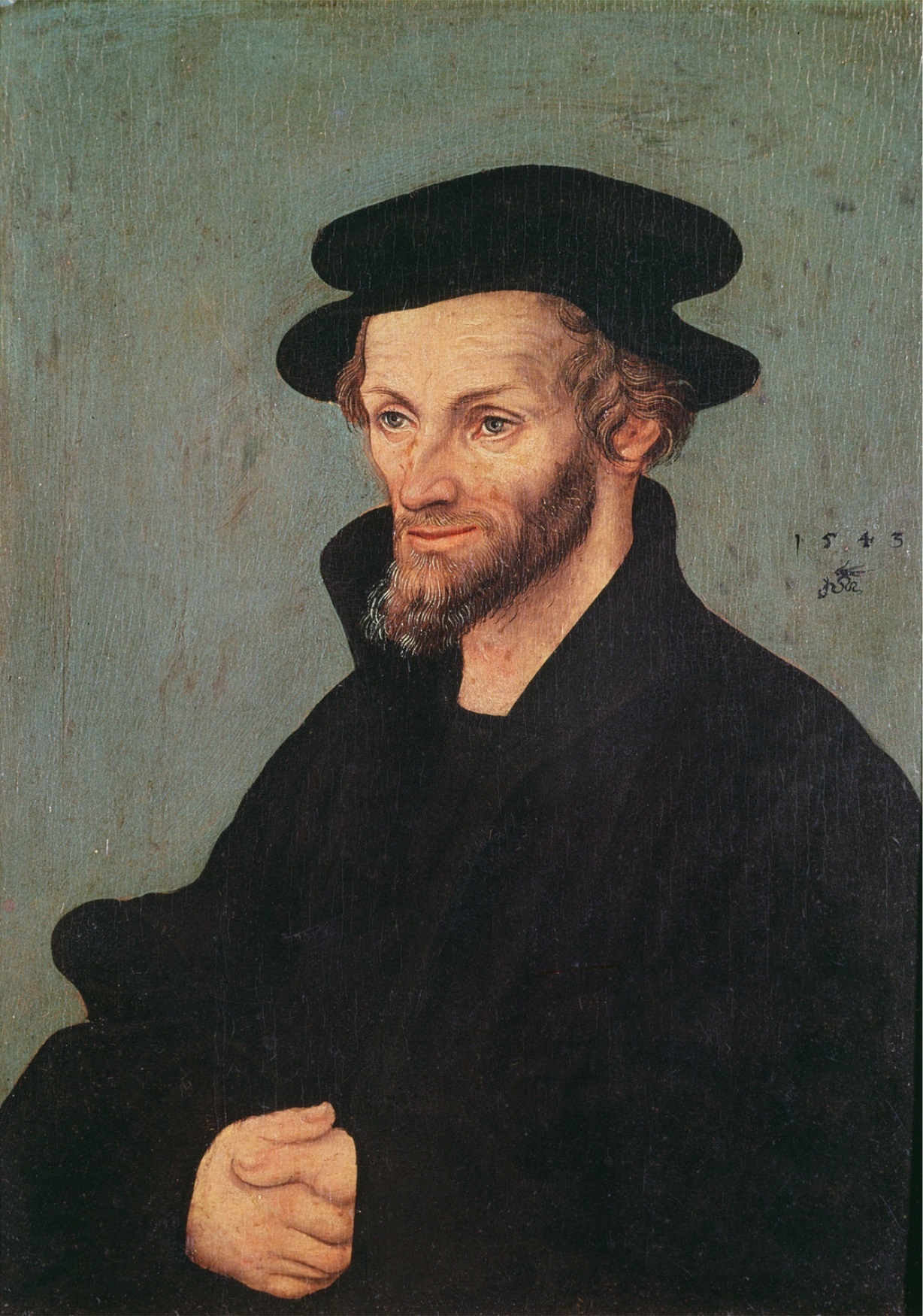
In 1530, at a moment when Europe teetered between reform and rebellion, a group of German princes stood before Emperor Charles V and presented a document that would split Christendom in two. The Augsburg Confession is not merely theology; it is a political act of conscience, a carefully reasoned defense of Lutheran belief written by Philipp Melanchthon and signed by rulers who risked everything. Across 28 articles, it articulates the revolutionary claim that salvation comes through faith alone, not through papal authority or human works. It addresses the sacraments, the nature of the church, the role of clergy, and the authority of Scripture with intellectual precision and, remarkably, with a desire for reconciliation. The document famously argues that Lutheran teachings are not novel innovations but a return to the pure gospel of Scripture. Though Charles V would ultimately reject it, the Confession became the foundational charter of Lutheranism and remains the doctrinal standard of millions of Christians worldwide. It endures not as a relic but as a testament to the power of conviction, the danger of religious conviction in political arenas, and the enduring question of how faith and authority should relate.
Editions
Link to this book
Add a free, dofollow link to Lex on your blog, forum, syllabus, or reading list.

<a href="https://lex-books.com/book/the-augsburg-confession-the-confession-of-faith-which-was-submitted-to-his-imper-f3aa5a89-79ea-4e2a-86be-db8905e85910"><img src="https://lex-books.com/badges/read-on-lex.svg" alt="Read The Augsburg Confession: The Confession of Faith, Which Was Submitted to His Imperial Majesty Charles V at the Diet of Augsburg in the Year 1530 by Philipp Melanchthon free on Lex" width="160" height="40"></a>[](https://lex-books.com/book/the-augsburg-confession-the-confession-of-faith-which-was-submitted-to-his-imper-f3aa5a89-79ea-4e2a-86be-db8905e85910)[url=https://lex-books.com/book/the-augsburg-confession-the-confession-of-faith-which-was-submitted-to-his-imper-f3aa5a89-79ea-4e2a-86be-db8905e85910][img]https://lex-books.com/badges/read-on-lex.svg[/img][/url]Read The Augsburg Confession: The Confession of Faith, Which Was Submitted to His Imperial Majesty Charles V at the Diet of Augsburg in the Year 1530 by Philipp Melanchthon free on Lex: https://lex-books.com/book/the-augsburg-confession-the-confession-of-faith-which-was-submitted-to-his-imper-f3aa5a89-79ea-4e2a-86be-db8905e85910Cite this book
Reading this edition for a paper or guide? Copy a citation.
Melanchthon, Philipp. The Augsburg Confession: The Confession of Faith, Which Was Submitted to His Imperial Majesty Charles V at the Diet of Augsburg in the Year 1530. Lex, lex-books.com/book/the-augsburg-confession-the-confession-of-faith-which-was-submitted-to-his-imper-f3aa5a89-79ea-4e2a-86be-db8905e85910.Melanchthon, P. (n.d.). The Augsburg Confession: The Confession of Faith, Which Was Submitted to His Imperial Majesty Charles V at the Diet of Augsburg in the Year 1530. Lex. https://lex-books.com/book/the-augsburg-confession-the-confession-of-faith-which-was-submitted-to-his-imper-f3aa5a89-79ea-4e2a-86be-db8905e85910Melanchthon, Philipp. The Augsburg Confession: The Confession of Faith, Which Was Submitted to His Imperial Majesty Charles V at the Diet of Augsburg in the Year 1530. Lex. https://lex-books.com/book/the-augsburg-confession-the-confession-of-faith-which-was-submitted-to-his-imper-f3aa5a89-79ea-4e2a-86be-db8905e85910.