Three Essays on Religion
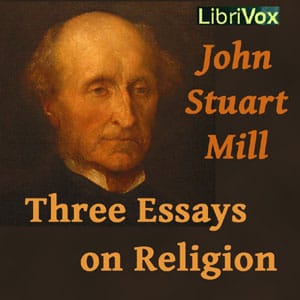
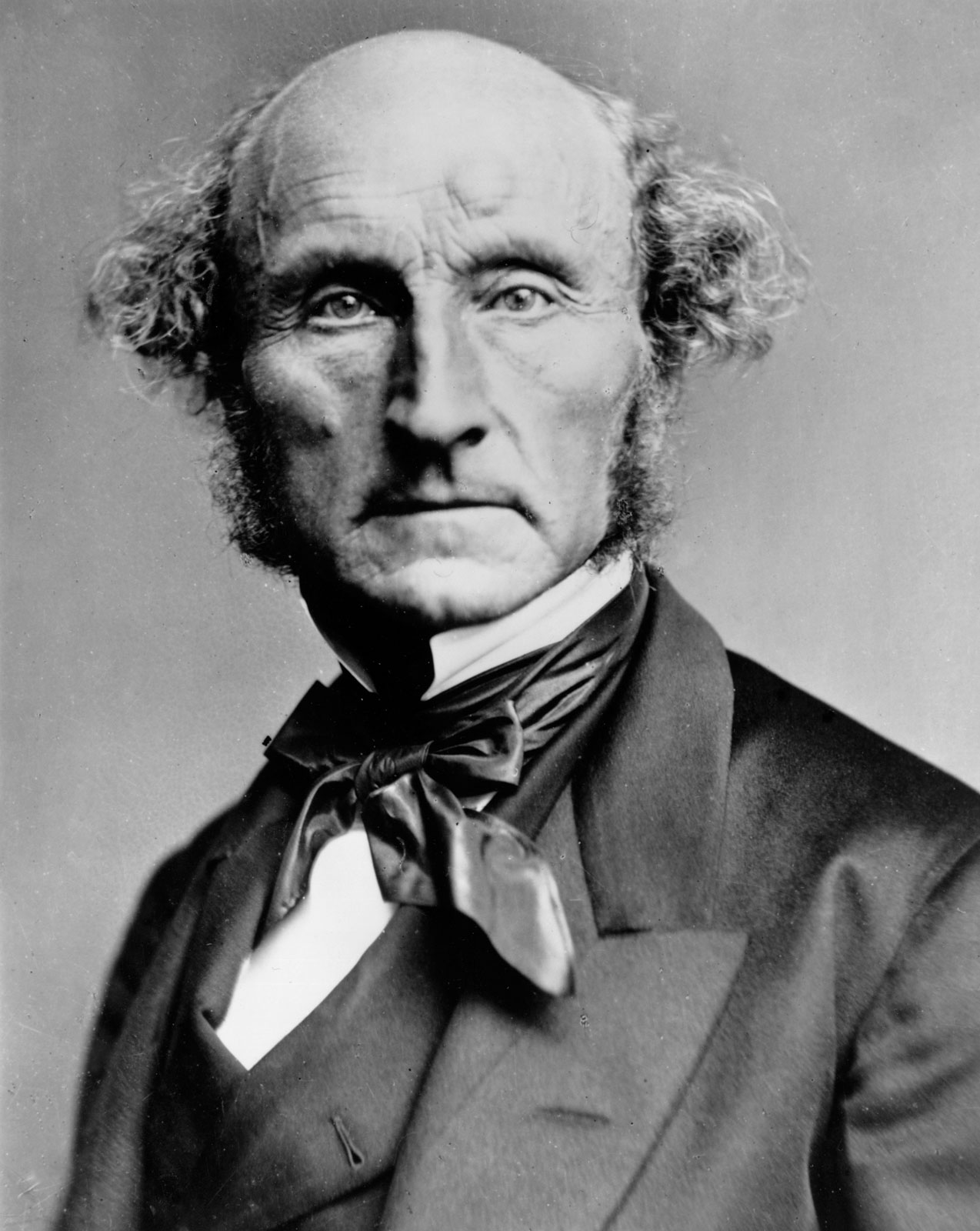
John Stuart Mill, the great defender of liberty and utilitarian philosophy, finally speaks openly about God. Written across two decades and published only after his death in 1874, these three essays represent the most intimate and unsettling work in Mill's corpus. Here, the philosopher who gave us On Liberty turns his analytical rigor onto the questions he spent his life avoiding: What if religion is neither true nor false, but necessary? What kind of God could possibly exist in a world of suffering? These are not the calculations of a public intellectual; they are the confessions of a man who could not resolve his own doubts. The essays unfold as a philosophical journey. 'Nature' (1850s) dissects the concept with ruthless logic. 'The Utility of Religion' asks a more dangerous question: even if God does not exist, might religious belief serve humanity better than skepticism? The longest piece, 'Theism' (1868-1870), offers Mill's most surprising conclusion - a qualified defense of belief in a deity, written by a man who admitted his own faith was uncertain. Mill was no atheist; he was something more unsettling: a seeker who found only questions.
Editions

Read by
Group Narration
5 readers
Leon Mire, Sunny Shields, Ted Garvin, JoeD +1 more
Link to this book
Add a free, dofollow link to Lex on your blog, forum, syllabus, or reading list.

<a href="https://lex-books.com/book/three-essays-on-religion-39fa672b-28b1-4722-91a4-040dcb17aa4f"><img src="https://lex-books.com/badges/read-on-lex.svg" alt="Read Three Essays on Religion by John Stuart Mill free on Lex" width="160" height="40"></a>[](https://lex-books.com/book/three-essays-on-religion-39fa672b-28b1-4722-91a4-040dcb17aa4f)[url=https://lex-books.com/book/three-essays-on-religion-39fa672b-28b1-4722-91a4-040dcb17aa4f][img]https://lex-books.com/badges/read-on-lex.svg[/img][/url]Read Three Essays on Religion by John Stuart Mill free on Lex: https://lex-books.com/book/three-essays-on-religion-39fa672b-28b1-4722-91a4-040dcb17aa4fCite this book
Reading this edition for a paper or guide? Copy a citation.
Mill, John Stuart. Three Essays on Religion. Lex, lex-books.com/book/three-essays-on-religion-39fa672b-28b1-4722-91a4-040dcb17aa4f.Mill, J. S. (n.d.). Three Essays on Religion. Lex. https://lex-books.com/book/three-essays-on-religion-39fa672b-28b1-4722-91a4-040dcb17aa4fMill, John Stuart. Three Essays on Religion. Lex. https://lex-books.com/book/three-essays-on-religion-39fa672b-28b1-4722-91a4-040dcb17aa4f.