The Wealth of Nations
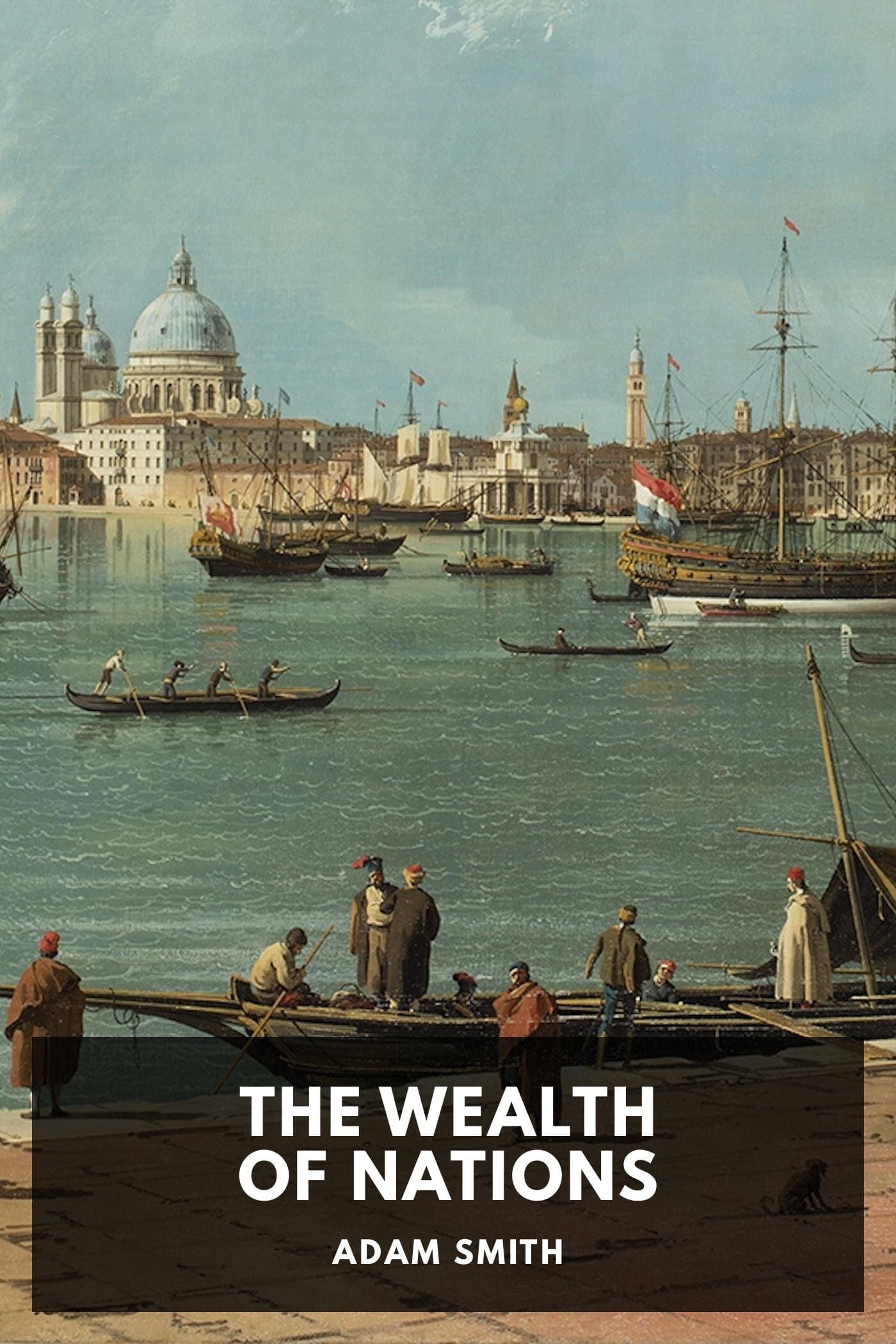
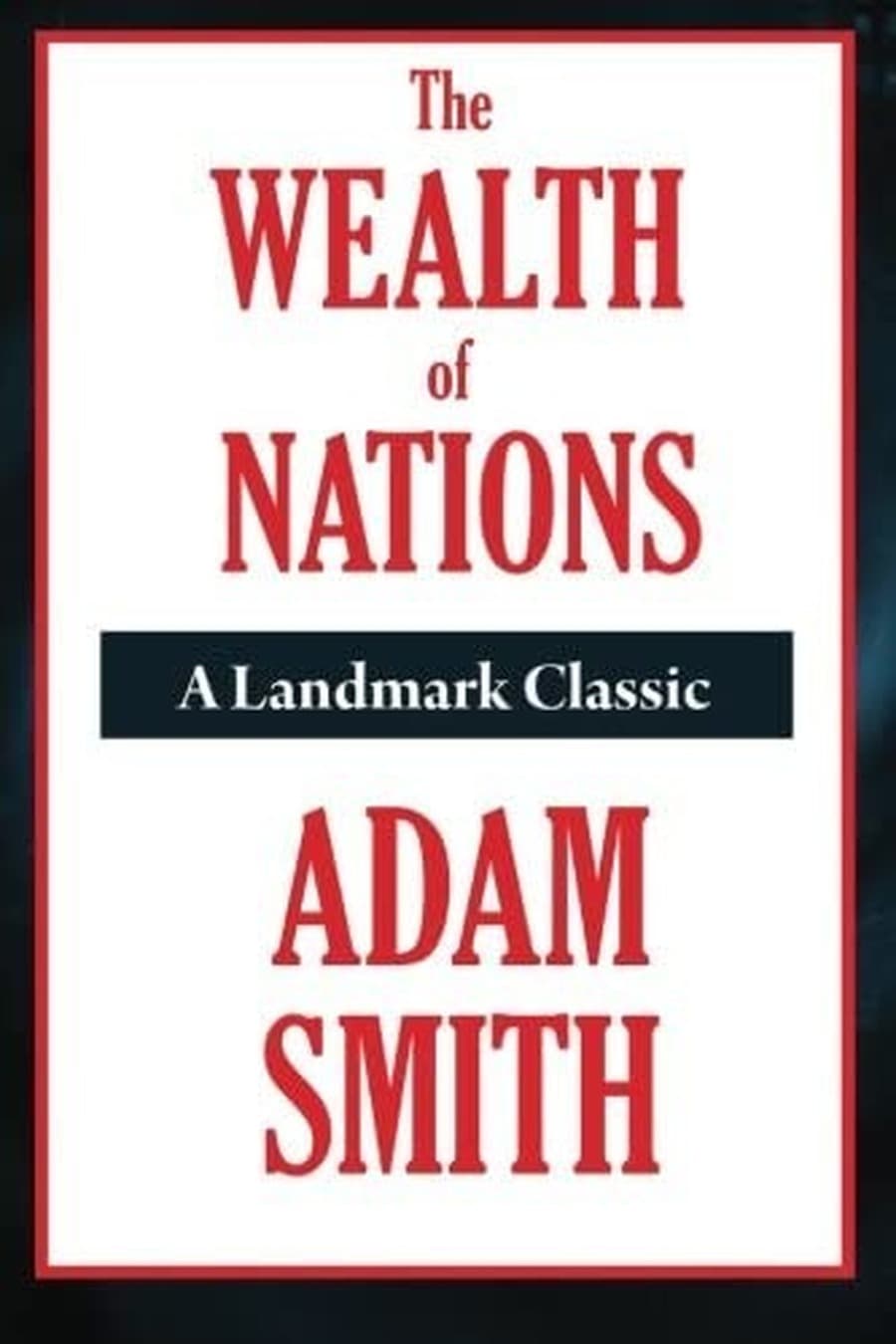
Forget gold in the king's coffers; Adam Smith's revolutionary 1776 treatise fundamentally redefined wealth, arguing that a nation's prosperity stems from its productive capacity—its labor, land, and capital. This sprawling masterpiece dissects the nascent industrial economy, introducing foundational concepts like the division of labor, free markets, supply and demand, and the 'invisible hand' that guides self-interest toward collective good. It's a comprehensive blueprint for understanding how economies function, moving beyond outdated mercantilist dogma to lay the groundwork for modern capitalism.
Editions

![The Wealth of Nations: Adam Smith (Literature, History, Europe) [Annotated]](/_next/image?url=https%3A%2F%2Fi.gr-assets.com%2Fimages%2FS%2Fcompressed.photo.goodreads.com%2Fbooks%2F1662913642i%2F62361394._SY475_.jpg&w=96&q=75)
X-Ray
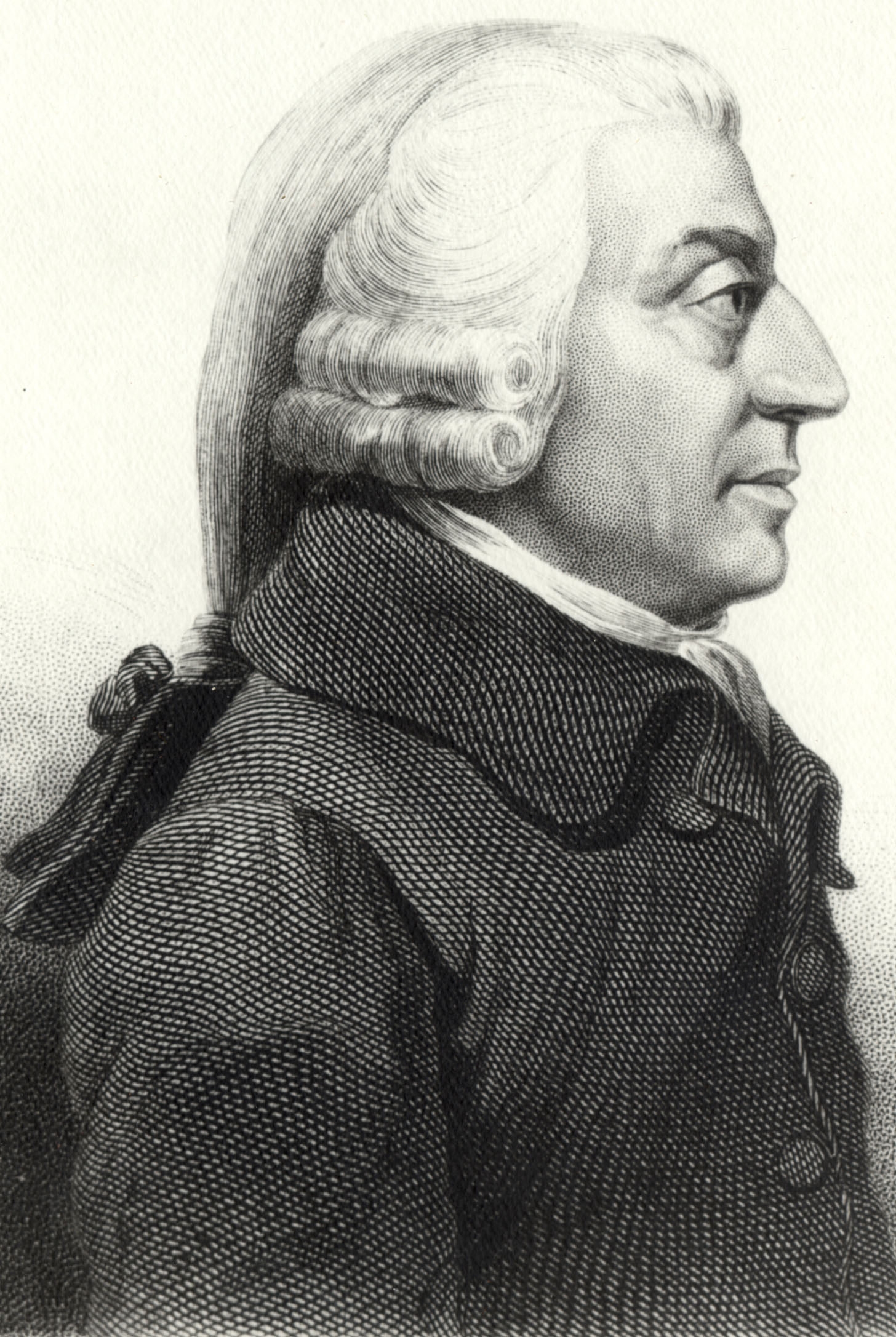
The author and central intellectual figure presenting his economic theories. Smith serves as the analytical voice examining the nature and causes of national wealth through systematic inquiry.
Symbolic figures representing ordinary tradespeople whose self-interest drives economic activity. They embody Smith's famous principle that individual self-interest serves the public good.
Represents the working class whose wages and conditions Smith analyzes extensively. The labourer's situation reflects broader economic conditions and the effects of division of labor.
Represents capitalists who employ labor and seek profit. Smith examines their role in wage determination and their tendency to combine against workers.
About The Wealth of Nations
Chapter Summaries
- Introduction
- Smith outlines his inquiry into national wealth, defining it as annual labor's produce. He explains how wealth depends on labor's productivity and the proportion of productive to unproductive workers, setting up his five-book structure.
- I.1
- Using the famous pin factory example, Smith demonstrates how dividing labor into specialized tasks dramatically increases productivity. He explains this occurs through increased dexterity, time savings, and machine invention.
- I.2
- Smith argues that division of labor arises from humans' natural propensity to truck, barter, and exchange. This trading instinct, unique to humans, enables specialization and mutual benefit.
Key Themes
- Division of Labor
- Smith argues that specialization dramatically increases productivity and wealth. The famous pin factory example demonstrates how breaking work into specialized tasks multiplies output far beyond what individual workers could achieve alone.
- The Invisible Hand of Self-Interest
- Individual pursuit of self-interest, when operating in competitive markets, unintentionally promotes the general welfare. The butcher, brewer, and baker serve society not from benevolence but from self-regard.
- Natural vs. Market Price
- Smith distinguishes between the 'natural price' that covers costs of production and the 'market price' determined by supply and demand. Market forces tend to drive prices toward their natural level.
Characters
- Adam Smith(protagonist)
- The author and central intellectual figure presenting his economic theories. Smith serves as the analytical voice examining the nature and causes of national wealth through systematic inquiry.
- The Butcher, Brewer, and Baker(major)
- Symbolic figures representing ordinary tradespeople whose self-interest drives economic activity. They embody Smith's famous principle that individual self-interest serves the public good.
- The Labourer(major)
- Represents the working class whose wages and conditions Smith analyzes extensively. The labourer's situation reflects broader economic conditions and the effects of division of labor.
- The Master/Employer(major)
- Represents capitalists who employ labor and seek profit. Smith examines their role in wage determination and their tendency to combine against workers.
- The Landlord(major)
- Represents the landed class who receive rent from property ownership. Smith describes them as those who 'love to reap where they never sowed.'
Link to this book
Add a free, dofollow link to Lex on your blog, forum, syllabus, or reading list.

<a href="https://lex-books.com/book/the-wealth-of-nations-e3ee8691-000c-4364-bcc4-6a0d27486673"><img src="https://lex-books.com/badges/read-on-lex.svg" alt="Read The Wealth of Nations by Adam Smith free on Lex" width="160" height="40"></a>[](https://lex-books.com/book/the-wealth-of-nations-e3ee8691-000c-4364-bcc4-6a0d27486673)[url=https://lex-books.com/book/the-wealth-of-nations-e3ee8691-000c-4364-bcc4-6a0d27486673][img]https://lex-books.com/badges/read-on-lex.svg[/img][/url]Read The Wealth of Nations by Adam Smith free on Lex: https://lex-books.com/book/the-wealth-of-nations-e3ee8691-000c-4364-bcc4-6a0d27486673Cite this book
Reading this edition for a paper or guide? Copy a citation.
Smith, Adam. The Wealth of Nations. Lex, lex-books.com/book/the-wealth-of-nations-e3ee8691-000c-4364-bcc4-6a0d27486673.Smith, A. (n.d.). The Wealth of Nations. Lex. https://lex-books.com/book/the-wealth-of-nations-e3ee8691-000c-4364-bcc4-6a0d27486673Smith, Adam. The Wealth of Nations. Lex. https://lex-books.com/book/the-wealth-of-nations-e3ee8691-000c-4364-bcc4-6a0d27486673.