The Sportsman: On Hunting, a Sportsman's Manual, Commonly Called Cynegeticus
The Sportsman: On Hunting, a Sportsman's Manual, Commonly Called Cynegeticus
Translated by Henry Graham Dakyns
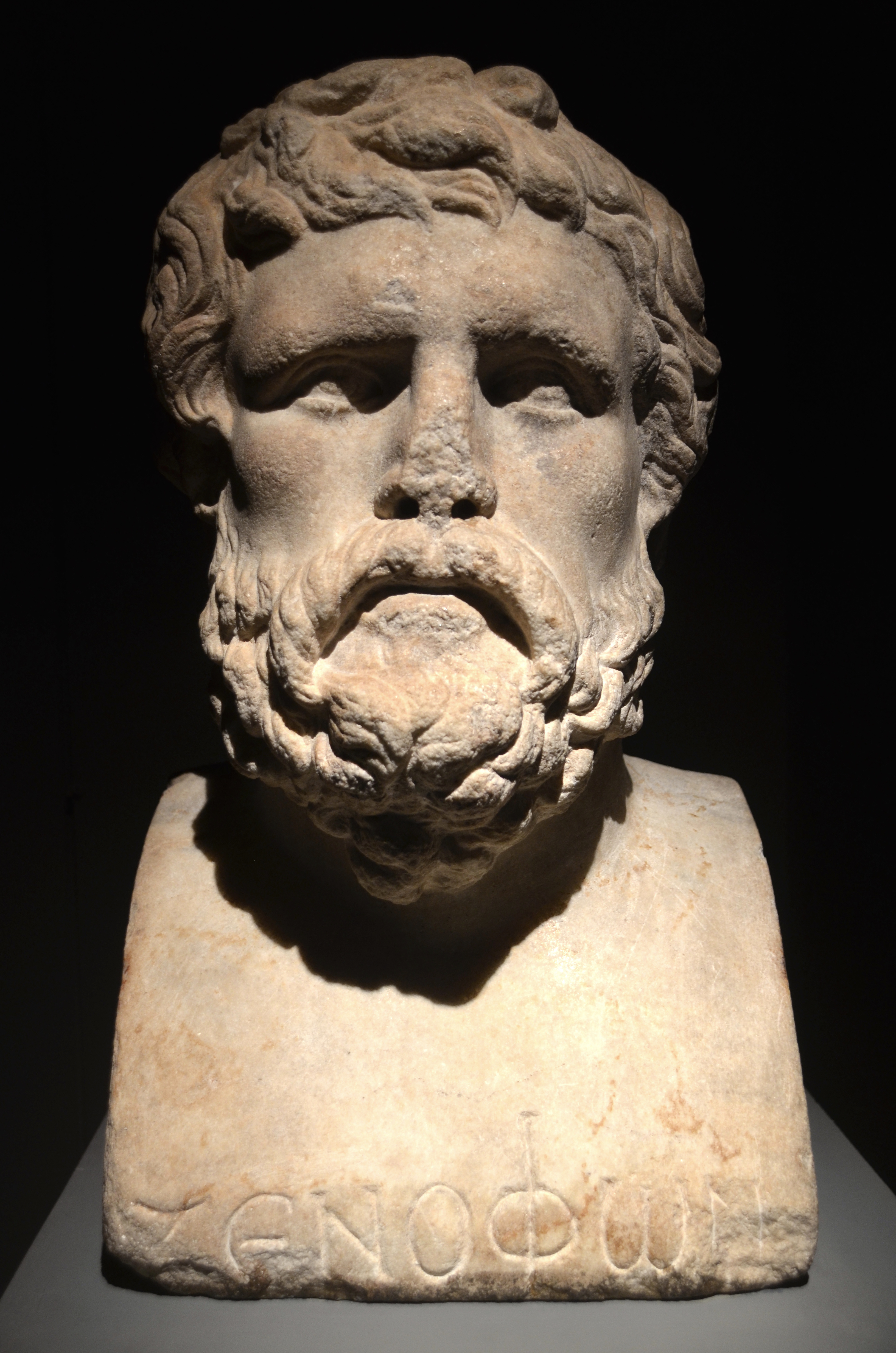
One of the oldest books on hunting in existence, Xenophon's treatise emerges from a world where the chase was not mere sport but a foundation of education. Written in the 4th century BC by the student of Socrates, this work preserves an ancient philosophy of outdoor life: that the pursuit of game cultivates not just physical skill but moral virtue. Xenophon opens with the sacred origins of hunting, tracing it to the gods Apollo and Artemis, and introduces Cheiron the centaur, legendary teacher of heroes, who first passed this discipline to mortal men. The text ranges from the metaphysical to the intensely practical. Xenophon outlines the equipment necessary for different quarry, describes ideal hound breeds with the precision of a connoisseur, and insists that hunting shapes young men into citizens worthy of Athens. What elevates this manual beyond period piece is its underlying argument: that time spent in pursuit of wild things forges qualities, patience, cunning, self-reliance, that no other education can provide. Though the world that produced it has vanished, the impulse it describes has not.
Editions
X-Ray
The author and narrator, an Athenian student of Socrates who presents himself as an expert hunter and educator. He advocates for hunting as moral and physical training for young men.
The wise centaur who first received the gift of hunting from Apollo and Artemis. He taught many Greek heroes the arts of hunting and chivalry.
Greek god who, along with Artemis, discovered hunting and bestowed it upon Cheiron. Patron deity of the chase.
Greek goddess of the hunt, protector of hounds, and patron of the chase. Co-discoverer of hunting with Apollo.
About The Sportsman: On Hunting, a Sportsman's Manual, Commonly Called Cynegeticus
Chapter Summaries
- 1
- Apollo and Artemis invented hunting and gave it to Cheiron, who taught it to the greatest Greek heroes. All these heroes achieved fame and divine favor through their hunting training.
- 2
- Detailed instructions on hunting equipment including nets, stakes, and the qualities needed in a net-keeper. Proper preparation is essential for successful hunting.
- 3
- Description of Castorian and fox-like breeds of hunting dogs, their characteristics, and the many defects that make inferior specimens unsuitable for hunting.
Key Themes
- Education and Virtue
- Hunting serves as the ideal educational system, teaching courage, endurance, and moral character through practical experience rather than abstract theory.
- Divine Sanction
- The gods themselves invented hunting and blessed its practitioners, making it a sacred activity that connects mortals to divine wisdom and favor.
- Military Preparation
- Hunting trains young men for warfare by developing physical stamina, tactical thinking, and courage needed to defend the state.
Characters
- Xenophon(protagonist)
- The author and narrator, an Athenian student of Socrates who presents himself as an expert hunter and educator. He advocates for hunting as moral and physical training for young men.
- Cheiron(major)
- The wise centaur who first received the gift of hunting from Apollo and Artemis. He taught many Greek heroes the arts of hunting and chivalry.
- Apollo(major)
- Greek god who, along with Artemis, discovered hunting and bestowed it upon Cheiron. Patron deity of the chase.
- Artemis(major)
- Greek goddess of the hunt, protector of hounds, and patron of the chase. Co-discoverer of hunting with Apollo.
- Achilles(major)
- Greatest of Greek heroes, last student of Cheiron. His training in hunting contributed to his legendary prowess and immortal fame.
- The Sophists(antagonist)
- Contemporary teachers whom Xenophon criticizes for leading youth away from virtue through empty rhetoric and word-play rather than practical moral training.
Link to this book
Add a free, dofollow link to Lex on your blog, forum, syllabus, or reading list.

<a href="https://lex-books.com/book/the-sportsman-on-hunting-a-sportsman-s-manual-commonly-called-cynegeticus-57d41660-e7fd-41ff-913b-db34f351c321"><img src="https://lex-books.com/badges/read-on-lex.svg" alt="Read The Sportsman: On Hunting, a Sportsman's Manual, Commonly Called Cynegeticus by Xenophon free on Lex" width="160" height="40"></a>[](https://lex-books.com/book/the-sportsman-on-hunting-a-sportsman-s-manual-commonly-called-cynegeticus-57d41660-e7fd-41ff-913b-db34f351c321)[url=https://lex-books.com/book/the-sportsman-on-hunting-a-sportsman-s-manual-commonly-called-cynegeticus-57d41660-e7fd-41ff-913b-db34f351c321][img]https://lex-books.com/badges/read-on-lex.svg[/img][/url]Read The Sportsman: On Hunting, a Sportsman's Manual, Commonly Called Cynegeticus by Xenophon free on Lex: https://lex-books.com/book/the-sportsman-on-hunting-a-sportsman-s-manual-commonly-called-cynegeticus-57d41660-e7fd-41ff-913b-db34f351c321Cite this book
Reading this edition for a paper or guide? Copy a citation.
Xenophon. The Sportsman: On Hunting, a Sportsman's Manual, Commonly Called Cynegeticus. Lex, lex-books.com/book/the-sportsman-on-hunting-a-sportsman-s-manual-commonly-called-cynegeticus-57d41660-e7fd-41ff-913b-db34f351c321.Xenophon (n.d.). The Sportsman: On Hunting, a Sportsman's Manual, Commonly Called Cynegeticus. Lex. https://lex-books.com/book/the-sportsman-on-hunting-a-sportsman-s-manual-commonly-called-cynegeticus-57d41660-e7fd-41ff-913b-db34f351c321Xenophon. The Sportsman: On Hunting, a Sportsman's Manual, Commonly Called Cynegeticus. Lex. https://lex-books.com/book/the-sportsman-on-hunting-a-sportsman-s-manual-commonly-called-cynegeticus-57d41660-e7fd-41ff-913b-db34f351c321.