The Secret Glory
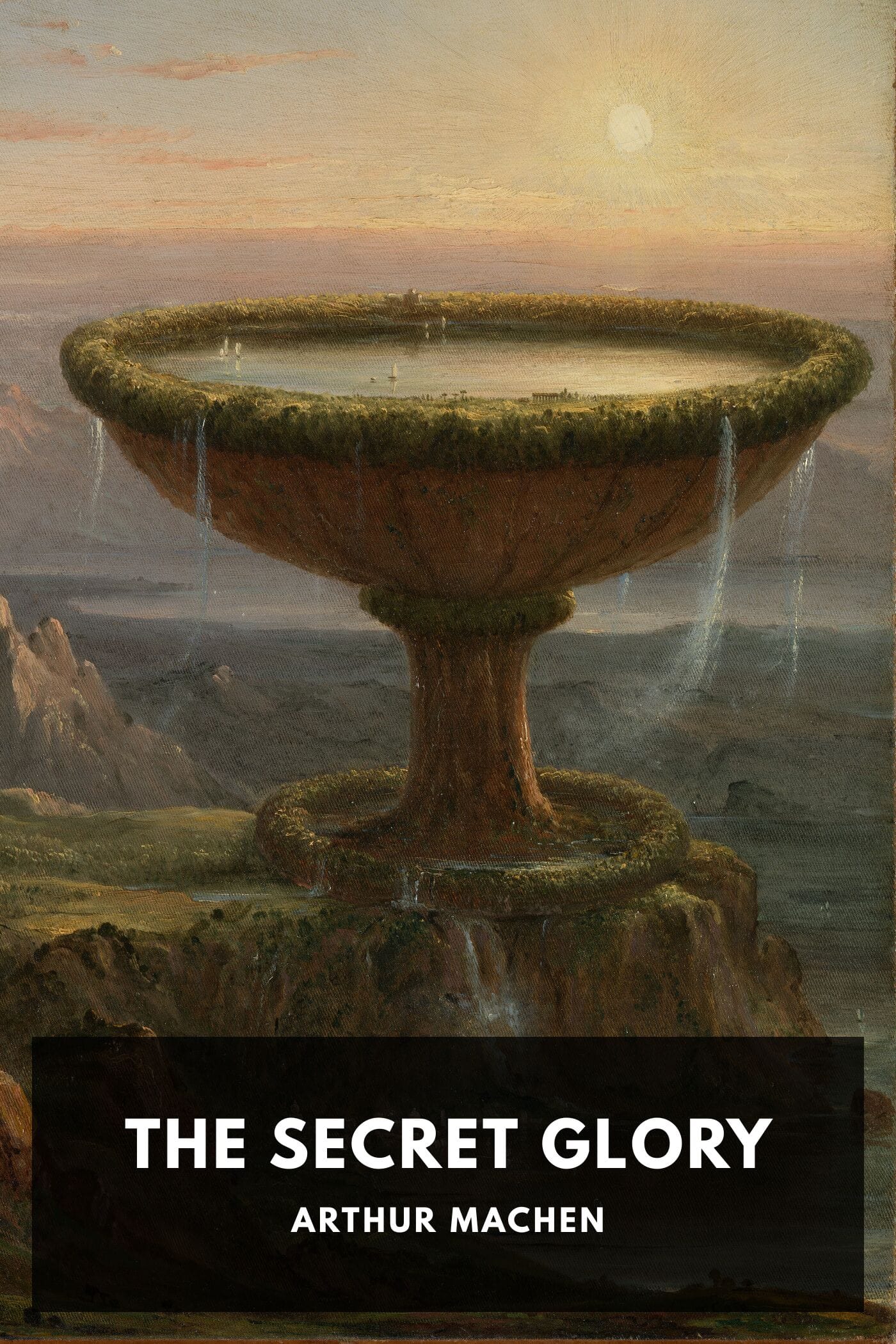
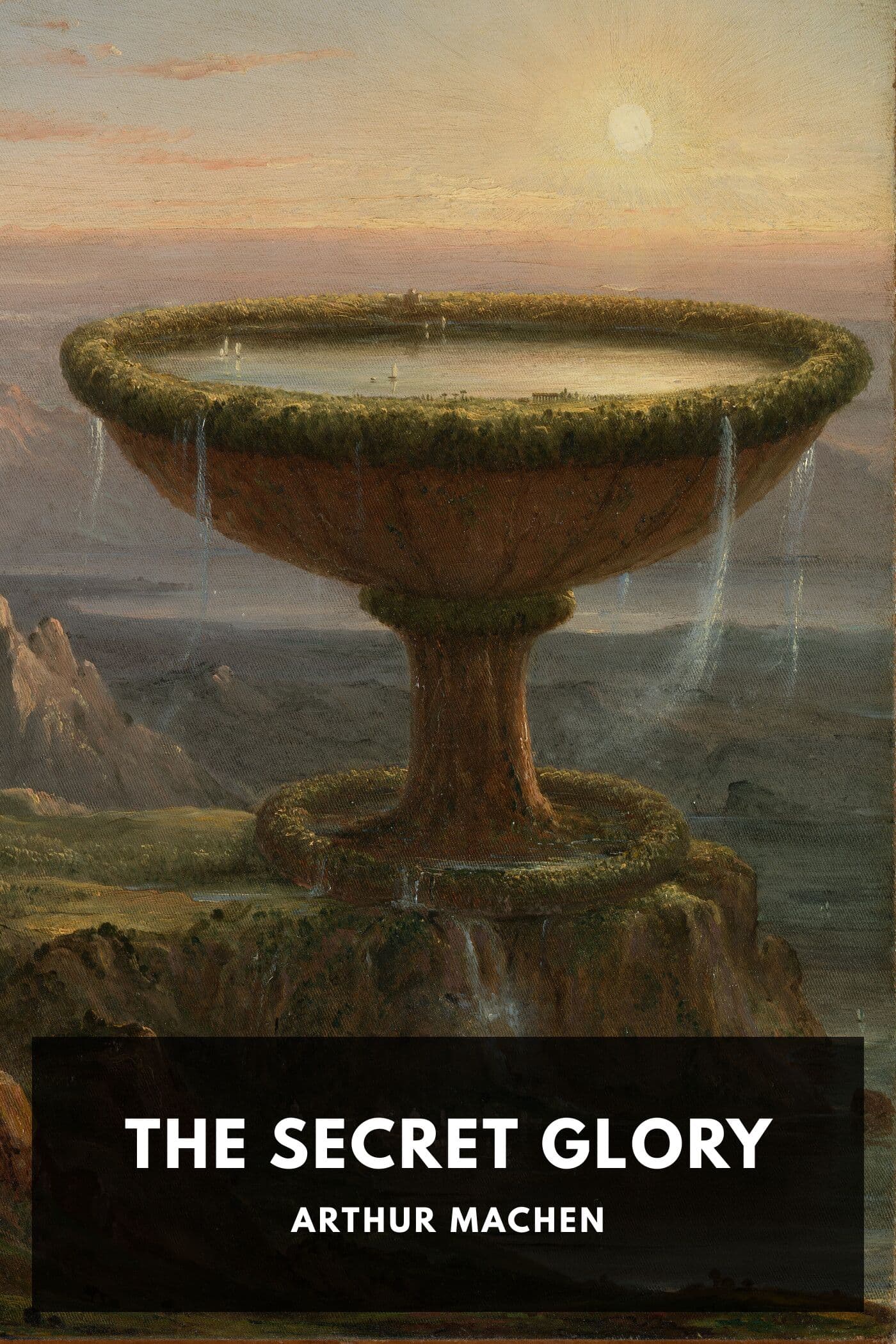
Arthur Machen’s *The Secret Glory* plunges us into the interior world of Ambrose Meyrick, a sensitive, imaginative boy stifled by the soul-crushing conformity of his English public school and the drabness of industrial society. While outwardly conforming to the brutal, unimaginative expectations of his peers and masters, Ambrose retreats into a vivid inner life, fueled by a potent memory: a childhood encounter with an ancient, holy cup in rural Wales. This mystical relic becomes his personal Grail, unlocking visions of transcendent beauty and a hidden, spiritual reality that offers sanctuary from the mundane and the cruel. More than a mere fantasy, *The Secret Glory* is a profound exploration of the power of individual vision against societal repression. Machen masterfully blends the mundane horrors of institutional life with luminous, Celtic-infused mysticism, crafting a deeply personal quest for spiritual truth and aesthetic wonder. It's a testament to the enduring human need for the numinous, a hymn to the hidden splendors that persist despite—or perhaps because of—the world's ugliness, making it a compelling read for anyone who has ever felt out of step with a prosaic reality.
Editions
X-Ray
A Welsh boy at Lupton School who feels alienated from the English public school system. He is deeply spiritual, mystical, and drawn to Celtic Christianity and ancient Welsh traditions.
Ambrose's uncle and the High Usher at Lupton School. A strict disciplinarian who represents the oppressive public school system and eventually faces ruin.
An Irish servant girl in the Horbury household who becomes Ambrose's lover. She has a tragic past and represents both earthly love and spiritual awakening for Ambrose.
The headmaster of Lupton School who embodies the conventional Anglican establishment. He preaches about success and conformity while missing deeper spiritual truths.
About The Secret Glory
Chapter Summaries
- I
- Ambrose returns late to school after visiting Selden Abbey to see Norman arches. His uncle Mr. Horbury brutally canes him for breaking rules, while Ambrose finds solace in memories of his father's teachings about Welsh Celtic Christianity.
- II
- The narrative explores Mr. Horbury's background and his dreams of transforming Lupton into a great modern school. Meanwhile, Ambrose experiences a mystical vision and begins to fight back against his tormentors.
- III
- Ambrose recalls his father's teachings about Welsh saints and their holy relics, particularly the sacred cup of Teilo. He remembers visiting the cup with his father and experiencing profound mystical visions.
Key Themes
- Celtic Mysticism vs. Anglican Conformity
- The novel contrasts the rich, mystical Celtic Christian tradition with the sterile, conventional Anglicanism of the public school system.
- Individual vs. Institution
- Ambrose's personal spiritual quest conflicts with the school's demand for conformity and the suppression of individual expression.
- Sacred vs. Profane Love
- The relationship between Ambrose and Nelly explores the tension between physical desire and spiritual transcendence.
Characters
- Ambrose Meyrick(protagonist)
- A Welsh boy at Lupton School who feels alienated from the English public school system. He is deeply spiritual, mystical, and drawn to Celtic Christianity and ancient Welsh traditions.
- Mr. Horbury(antagonist)
- Ambrose's uncle and the High Usher at Lupton School. A strict disciplinarian who represents the oppressive public school system and eventually faces ruin.
- Nelly Foran(major)
- An Irish servant girl in the Horbury household who becomes Ambrose's lover. She has a tragic past and represents both earthly love and spiritual awakening for Ambrose.
- Dr. Chesson(major)
- The headmaster of Lupton School who embodies the conventional Anglican establishment. He preaches about success and conformity while missing deeper spiritual truths.
- Nicholas Meyrick(major)
- Ambrose's deceased father who was deeply versed in Welsh Celtic Christianity and mysticism. His teachings profoundly influence Ambrose's worldview.
- Pelly(minor)
- A bullying schoolboy at Lupton who torments Ambrose until Ambrose fights back violently.
Link to this book
Add a free, dofollow link to Lex on your blog, forum, syllabus, or reading list.

<a href="https://lex-books.com/book/the-secret-glory-e7039d82-42df-4aae-8415-096dd39f74b6"><img src="https://lex-books.com/badges/read-on-lex.svg" alt="Read The Secret Glory by Arthur Machen free on Lex" width="160" height="40"></a>[](https://lex-books.com/book/the-secret-glory-e7039d82-42df-4aae-8415-096dd39f74b6)[url=https://lex-books.com/book/the-secret-glory-e7039d82-42df-4aae-8415-096dd39f74b6][img]https://lex-books.com/badges/read-on-lex.svg[/img][/url]Read The Secret Glory by Arthur Machen free on Lex: https://lex-books.com/book/the-secret-glory-e7039d82-42df-4aae-8415-096dd39f74b6Cite this book
Reading this edition for a paper or guide? Copy a citation.
Machen, Arthur. The Secret Glory. Lex, lex-books.com/book/the-secret-glory-e7039d82-42df-4aae-8415-096dd39f74b6.Machen, A. (n.d.). The Secret Glory. Lex. https://lex-books.com/book/the-secret-glory-e7039d82-42df-4aae-8415-096dd39f74b6Machen, Arthur. The Secret Glory. Lex. https://lex-books.com/book/the-secret-glory-e7039d82-42df-4aae-8415-096dd39f74b6.