The Roman and the Teuton: A Series of Lectures Delivered Before the University of Cambridge
The Roman and the Teuton: A Series of Lectures Delivered Before the University of Cambridge
The Roman and the Teuton is a collection of historical lectures delivered by Charles Kingsley at the University of Cambridge in the late 19th century. The work examines the interactions and conflicts between the Roman Empire and the Germanic tribes from the 3rd to the 6th centuries, focusing on themes of power, morality, and the human condition. Kingsley uses a parable of 'forest children' to illustrate the moral dilemmas faced by the Teutonic peoples as they encounter the corrupting influences of Roman civilization. This thought-provoking exploration aims to reveal deeper insights into societal evolution during a pivotal historical period.
Editions
X-Ray
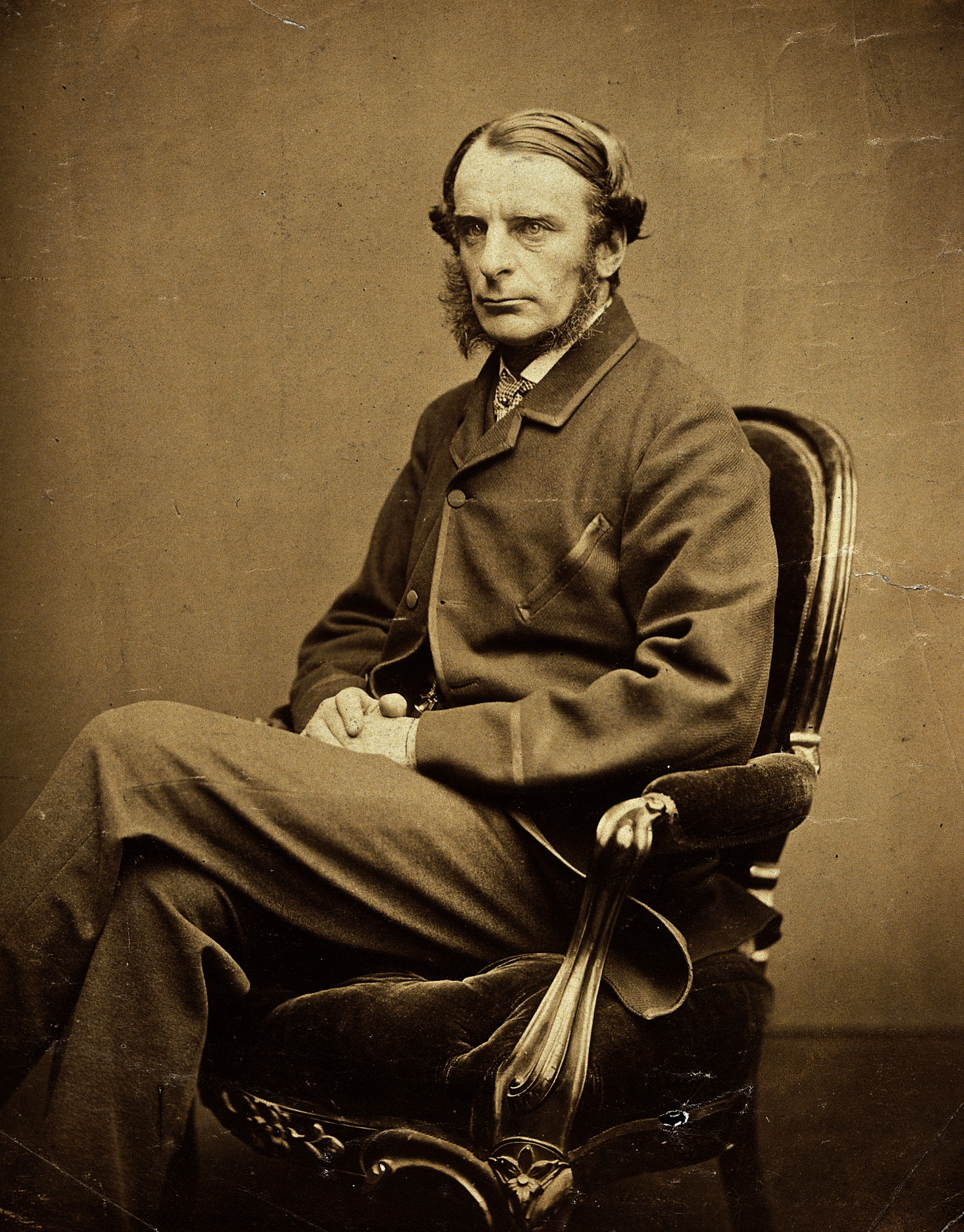
The author and lecturer, who presents a moralistic and providential view of history, focusing on the Teutonic race's role in shaping Europe.
The author of the preface, who defends Kingsley's historical approach and personal character after his death.
A Roman general who defeated early Teutonic invaders, representing Roman military might.
King of the Visigoths, who famously sacked Rome, symbolizing the breaking of the Roman spell over the Teutons.
About The Roman and the Teuton: A Series of Lectures Delivered Before the University of Cambridge
Chapter Summaries
- Preface by Professor F. Max Müller
- Professor F. Max Müller reflects on Charles Kingsley's life and legacy, defending his historical work, 'The Roman and the Teuton,' against criticisms of historical inaccuracy. He explains Kingsley's unconventional approach, particularly his use of German names like Dietrich, as an attempt to connect with popular tradition and stir interest in history.
- 1
- Kingsley introduces the Teutonic tribes as 'forest children'—noble, pure, but also childish and quarrelsome—and uses a 'Troll-garden' parable to illustrate their destructive yet ultimately transformative interaction with the decadent Roman Empire. He argues that their initial disunity and delayed conquest of Rome were providential, preventing the premature stifling of Christianity and Roman learning.
- 2
- This lecture vividly describes the moral and political decay of the late Roman Empire, characterized by corruption, slavery, and social disorganization. Kingsley quotes Mr. Sheppard's analogy to a hypothetical corrupt England and cites Salvian's 'De Gubernatione Dei' to assert that Roman vices, rather than external forces, were the primary cause of its weakness and eventual collapse.
Key Themes
- Moral Decay and Divine Judgment
- Kingsley consistently argues that the fall of the Roman Empire was a direct consequence of its pervasive moral corruption, profligacy, and injustice, particularly its reliance on slavery. He views the Teutonic invasions as a form of divine retribution, a 'Nemesis' for Roman sins, echoing the warnings of Hebrew prophets.
- The Teutonic Character and Destiny
- The Teutons are portrayed as 'forest children'—noble, strong, and pure in their native state, but also childish, quarrelsome, and susceptible to the vices of Roman civilization. Kingsley believes they were providentially chosen to inherit and reshape Europe, bringing new vitality and a foundation for future freedom and virtue, despite their initial savagery.
- The Role of Christianity and the Church
- Christianity is presented as the ultimate civilizing force, uniting the disparate Teutonic tribes into 'Christendom.' Kingsley examines the complex role of the clergy—monks as civilizers and preservers of knowledge, and popes as figures who, while sometimes acting for good, often pursued temporal power through intrigue and deceit, to the detriment of Italy.
Characters
- Charles Kingsley(protagonist)
- The author and lecturer, who presents a moralistic and providential view of history, focusing on the Teutonic race's role in shaping Europe.
- Professor F. Max Müller(supporting)
- The author of the preface, who defends Kingsley's historical approach and personal character after his death.
- Marius(minor)
- A Roman general who defeated early Teutonic invaders, representing Roman military might.
- Alaric(protagonist)
- King of the Visigoths, who famously sacked Rome, symbolizing the breaking of the Roman spell over the Teutons.
- Salvian(supporting)
- A 5th-century Christian writer whose work 'De Gubernatione Dei' is cited by Kingsley to argue that Roman moral decay caused the Empire's fall.
- Gibbon(supporting)
- The renowned historian, frequently referenced by Kingsley, who often contrasts his moral interpretations with Gibbon's more cynical views.
Link to this book
Add a free, dofollow link to Lex on your blog, forum, syllabus, or reading list.

<a href="https://lex-books.com/book/the-roman-and-the-teuton-a-series-of-lectures-delivered-before-the-university-of-af6e593f-dc0b-4f00-9384-f7d9aa8bfe1f"><img src="https://lex-books.com/badges/read-on-lex.svg" alt="Read The Roman and the Teuton: A Series of Lectures Delivered Before the University of Cambridge by Charles Kingsley free on Lex" width="160" height="40"></a>[](https://lex-books.com/book/the-roman-and-the-teuton-a-series-of-lectures-delivered-before-the-university-of-af6e593f-dc0b-4f00-9384-f7d9aa8bfe1f)[url=https://lex-books.com/book/the-roman-and-the-teuton-a-series-of-lectures-delivered-before-the-university-of-af6e593f-dc0b-4f00-9384-f7d9aa8bfe1f][img]https://lex-books.com/badges/read-on-lex.svg[/img][/url]Read The Roman and the Teuton: A Series of Lectures Delivered Before the University of Cambridge by Charles Kingsley free on Lex: https://lex-books.com/book/the-roman-and-the-teuton-a-series-of-lectures-delivered-before-the-university-of-af6e593f-dc0b-4f00-9384-f7d9aa8bfe1fCite this book
Reading this edition for a paper or guide? Copy a citation.
Kingsley, Charles. The Roman and the Teuton: A Series of Lectures Delivered Before the University of Cambridge. Lex, lex-books.com/book/the-roman-and-the-teuton-a-series-of-lectures-delivered-before-the-university-of-af6e593f-dc0b-4f00-9384-f7d9aa8bfe1f.Kingsley, C. (n.d.). The Roman and the Teuton: A Series of Lectures Delivered Before the University of Cambridge. Lex. https://lex-books.com/book/the-roman-and-the-teuton-a-series-of-lectures-delivered-before-the-university-of-af6e593f-dc0b-4f00-9384-f7d9aa8bfe1fKingsley, Charles. The Roman and the Teuton: A Series of Lectures Delivered Before the University of Cambridge. Lex. https://lex-books.com/book/the-roman-and-the-teuton-a-series-of-lectures-delivered-before-the-university-of-af6e593f-dc0b-4f00-9384-f7d9aa8bfe1f.