The Saint's Tragedy
1848
The Saint's Tragedy, written by Charles Kingsley and first published in 1848, is a dramatic poem that explores the life of Saint Elizabeth of Hungary. It delves into her internal conflicts between noble expectations and her commitment to serving the poor, highlighting themes of love, sacrifice, and spiritual fulfillment. The play portrays Elizabeth as a sensitive princess grappling with her royal duties and her desire for genuine connection, ultimately depicting her transformation into a saintly figure amidst societal pressures.
Editions
X-Ray
Daughter of the King of Hungary, betrothed to Lewis in childhood. A deeply religious young woman torn between earthly love and spiritual devotion, who ultimately becomes a saint through suffering and self-sacrifice.
Landgrave of Thuringia, Elizabeth's husband. A noble but weak-willed knight who loves Elizabeth deeply but lacks the spiritual strength to guide or protect her from Conrad's influence.
A monk and the Pope's Commissioner for suppressing heresy. A complex figure who becomes Elizabeth's spiritual director, using harsh methods to shape her into sainthood while struggling with his own motivations.
A worldly but honorable count who brought Elizabeth to Thuringia as a child. He serves as a voice of practical wisdom and becomes her champion against injustice.
About The Saint's Tragedy
Chapter Summaries
- Act I
- Elizabeth, a Hungarian princess betrothed to Lewis of Thuringia, struggles with loneliness and persecution at court. Walter of Varila helps Lewis realize his love for Elizabeth, leading to their marriage despite court opposition.
- Act II
- Elizabeth and Lewis enjoy married happiness, but Elizabeth begins extreme religious practices including self-flagellation. Conrad arrives as her spiritual director, and Elizabeth takes vows of obedience to him, beginning her path toward sainthood.
- Act III
- Lewis dies on crusade, leaving Elizabeth devastated. Henry and Sophia seize power and exile Elizabeth, who wanders homeless with her children before being taken in by various reluctant hosts.
Key Themes
- Sacred vs. Secular Love
- The play explores the tension between human love and divine devotion, questioning whether earthly affections must be sacrificed for spiritual perfection. Elizabeth's struggle between loving Lewis and loving Christ forms the central moral conflict.
- Religious Authority and Manipulation
- Conrad's control over Elizabeth raises questions about spiritual authority and whether religious directors can become tyrants. The play critiques how religious power can be used to manipulate and destroy rather than guide and heal.
- Medieval Asceticism
- The work examines the extreme religious practices of medieval saints, questioning whether self-torture and denial of natural affections truly lead to holiness or are forms of spiritual pride and self-destruction.
Characters
- Elizabeth(protagonist)
- Daughter of the King of Hungary, betrothed to Lewis in childhood. A deeply religious young woman torn between earthly love and spiritual devotion, who ultimately becomes a saint through suffering and self-sacrifice.
- Lewis(major)
- Landgrave of Thuringia, Elizabeth's husband. A noble but weak-willed knight who loves Elizabeth deeply but lacks the spiritual strength to guide or protect her from Conrad's influence.
- Conrad of Marpurg(antagonist)
- A monk and the Pope's Commissioner for suppressing heresy. A complex figure who becomes Elizabeth's spiritual director, using harsh methods to shape her into sainthood while struggling with his own motivations.
- Walter of Varila(major)
- A worldly but honorable count who brought Elizabeth to Thuringia as a child. He serves as a voice of practical wisdom and becomes her champion against injustice.
- Isentrudis(major)
- Elizabeth's faithful nurse who brought her from Hungary. A devoted servant who witnesses Elizabeth's transformation from happy child to tormented saint.
- Sophia(major)
- The Dowager Landgravine, Lewis's mother. A worldly woman who disapproves of Elizabeth's religious extremism and ultimately helps orchestrate her downfall.
Link to this book
Add a free, dofollow link to Lex on your blog, forum, syllabus, or reading list.

<a href="https://lex-books.com/book/the-saint-s-tragedy-c3114678-8557-470a-adde-946274119d86"><img src="https://lex-books.com/badges/read-on-lex.svg" alt="Read The Saint's Tragedy by Charles Kingsley free on Lex" width="160" height="40"></a>[](https://lex-books.com/book/the-saint-s-tragedy-c3114678-8557-470a-adde-946274119d86)[url=https://lex-books.com/book/the-saint-s-tragedy-c3114678-8557-470a-adde-946274119d86][img]https://lex-books.com/badges/read-on-lex.svg[/img][/url]Read The Saint's Tragedy by Charles Kingsley free on Lex: https://lex-books.com/book/the-saint-s-tragedy-c3114678-8557-470a-adde-946274119d86Cite this book
Reading this edition for a paper or guide? Copy a citation.
Kingsley, Charles. The Saint's Tragedy. Lex, lex-books.com/book/the-saint-s-tragedy-c3114678-8557-470a-adde-946274119d86.Kingsley, C. (1848). The Saint's Tragedy. Lex. https://lex-books.com/book/the-saint-s-tragedy-c3114678-8557-470a-adde-946274119d86Kingsley, Charles. The Saint's Tragedy. Lex. https://lex-books.com/book/the-saint-s-tragedy-c3114678-8557-470a-adde-946274119d86.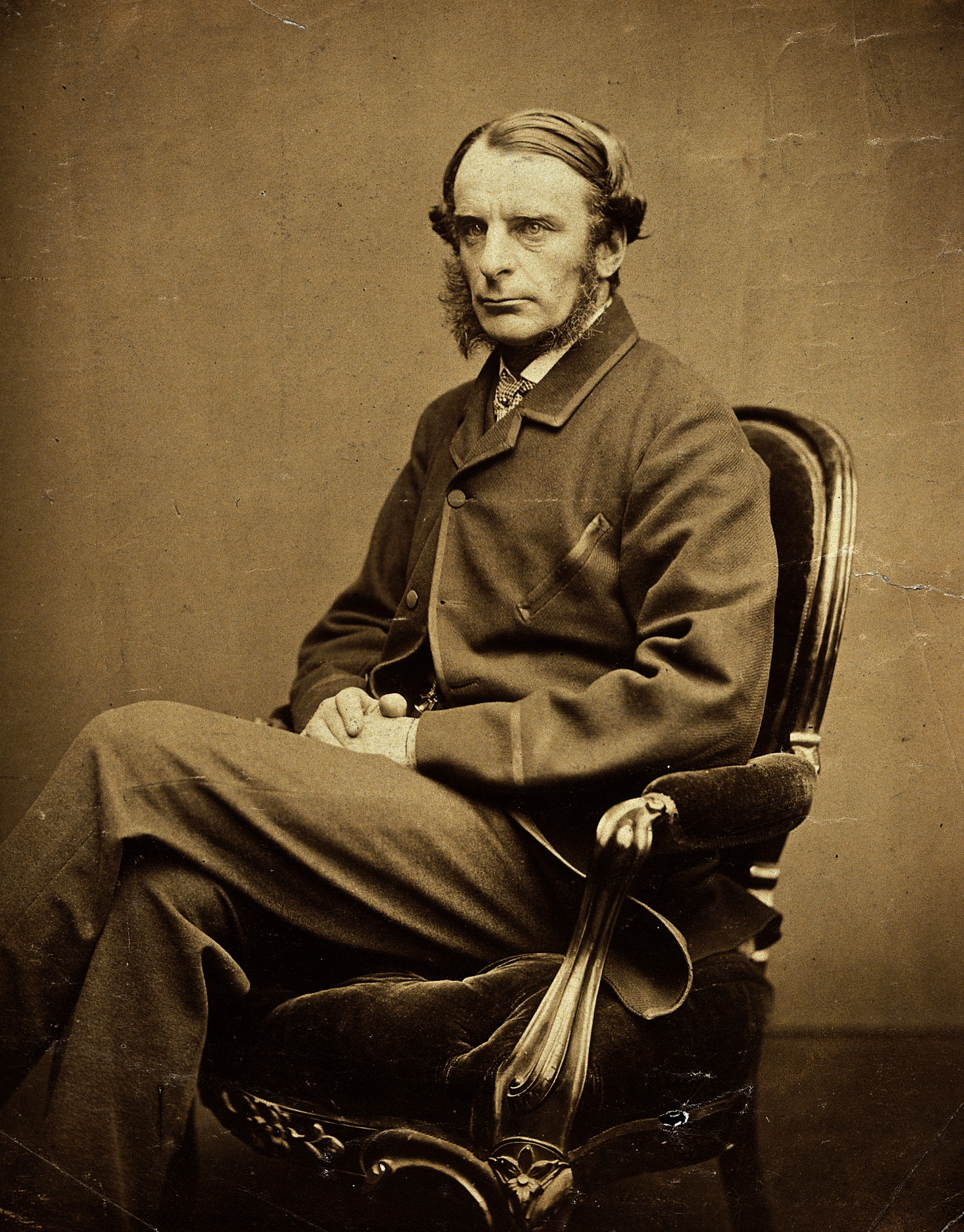









![Birds and Nature, Vol. 12 No. 1 [June 1902]illustrated by Color Photography](/_next/image?url=https%3A%2F%2Fd3b2n8gj62qnwr.cloudfront.net%2FCOVERS%2Fgutenberg_covers75k%2Febook-47881.png&w=3840&q=75)