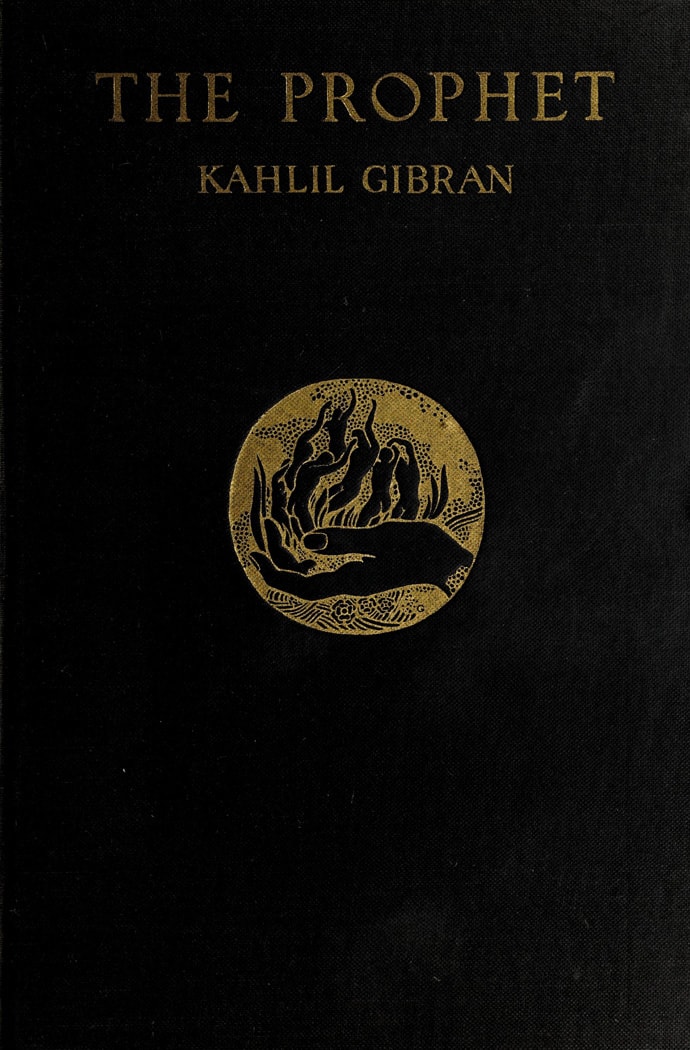
The Prophet
1923
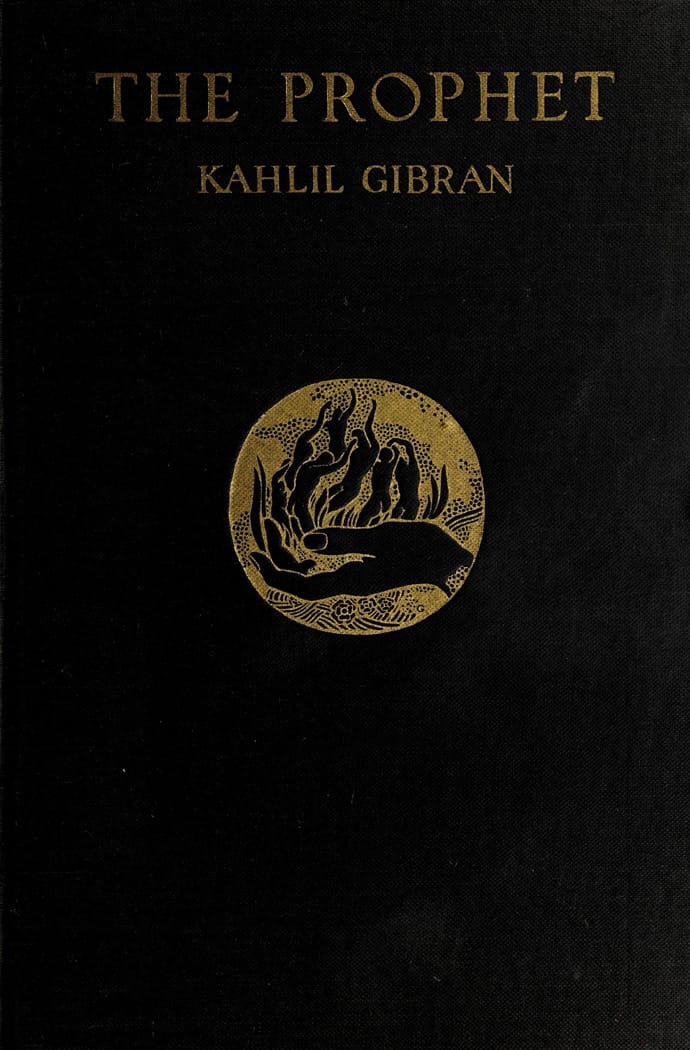
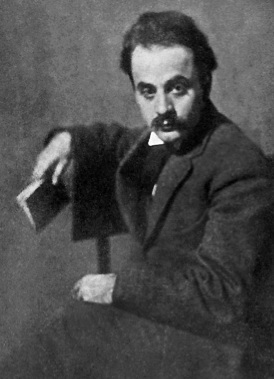
A prophet prepares to leave the city that has been his home for twelve years. Before he departs, the people of Orphalese gather to ask him the questions that have always burned in their hearts: What of love? What of marriage and children? What of work, of freedom, of sorrow, of death? What of the self and its knowing? In twenty-eight crystalline chapters, he answers them all, and in doing so, he answers something in you. Gibran wrote The Prophet during his final years, dying of tuberculosis at forty-eight, and the book carries the weight of a man who knew he was leaving behind not answers but mirrors. The prose is spare and enormous at once, each sentence a vessel big enough to hold both joy and grief. This is not a book you read so much as return to, during heartbreaks and celebrations, at weddings and gravesides, at twenty and sixty. It asks nothing of you but attention, and in exchange offers something rarer: the feeling that your most private struggles have been given voice by someone who understood them all along.
Editions
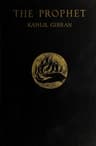
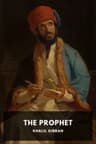
X-Ray
“You talk when you cease to be at peace with your thoughts.””
— Kahlil Gibran
“Let there be spaces in your togetherness, And let the winds of the heavens dance between you. Love one another but make not a bond of love: Let it rather be a moving sea between the shores of your souls. Fill each other's cup but drink not from one cup. Give one another of your bread but eat not from the same loaf. Sing and dance together and be joyous, but let each one of you be alone, Even as the strings of a lute are alone though they quiver with the same music. Give your hearts, but not into each other's keeping. For only the hand of Life can contain your hearts. And stand together, yet not too near together: For the pillars of the temple stand apart, And the oak tree and the cypress grow not in each other's shadow.””
— Kahlil Gibran
“When love beckons to you follow him, Though his ways are hard and steep. And when his wings enfold you yield to him, Though the sword hidden among his pinions may wound you. And when he speaks to you believe in him, Though his voice may shatter your dreams as the north wind lays waste the garden. For even as love crowns you so shall he crucify you. Even as he is for your growth so is he for your pruning. Even as he ascends to your height and caresses your tenderest branches that quiver in the sun, So shall he descend to your roots and shake them in their clinging to the earth......But if in your fear you would seek only love's peace and love's pleasure, Then it is better for you that you cover your nakedness and pass out of love's threshing-floor, Into the seasonless world where you shall laugh, but not all of your laughter, and weep, but not all of your tears. Love gives naught but itself and takes naught but from itself.Love possesses not nor would it be possessed; For love is sufficient unto love. And think not you can direct the course of love, if it finds you worthy, directs your course. Love has no other desire but to fulfil itself."But if you love and must needs have desires, let these be your desires: To melt and be like a running brook that sings its melody to the night. To know the pain of too much tenderness. To be wounded by your own understanding of love; And to bleed willingly and joyfully.””
— Kahlil Gibran
“Your children are not your children. They are the sons and daughters of Life's longing for itself””
— Kahlil Gibran
“The timeless in you is aware of life's timelessness. And knows that yesterday is but today's memory and tomorrow is today's dream.””
— Kahlil Gibran
“And forget not that the earth delights to feel your bare feet and the winds long to play with your hair””
— Kahlil Gibran
“Some of you say, “Joy is greater than sorrow,” and others say, “Nay, sorrow is the greater.”But I say unto you, they are inseparable.Together they come, and when one sits alone with you at your board, remember that the other is asleep upon your bed.””
— Kahlil Gibran
“You give but little when you give of your possessions.It is when you give of yourself that you truly give.””
— Kahlil Gibran
“To belittle, you have to be little.””
— Kahlil Gibran
Link to this book
Add a free, dofollow link to Lex on your blog, forum, syllabus, or reading list.

<a href="https://lex-books.com/book/the-prophet-7343140a-fd54-4a82-8617-f16d249281ea"><img src="https://lex-books.com/badges/read-on-lex.svg" alt="Read The Prophet by Kahlil Gibran free on Lex" width="160" height="40"></a>[](https://lex-books.com/book/the-prophet-7343140a-fd54-4a82-8617-f16d249281ea)[url=https://lex-books.com/book/the-prophet-7343140a-fd54-4a82-8617-f16d249281ea][img]https://lex-books.com/badges/read-on-lex.svg[/img][/url]Read The Prophet by Kahlil Gibran free on Lex: https://lex-books.com/book/the-prophet-7343140a-fd54-4a82-8617-f16d249281eaCite this book
Reading this edition for a paper or guide? Copy a citation.
Gibran, Kahlil. The Prophet. Lex, lex-books.com/book/the-prophet-7343140a-fd54-4a82-8617-f16d249281ea.Gibran, K. (1923). The Prophet. Lex. https://lex-books.com/book/the-prophet-7343140a-fd54-4a82-8617-f16d249281eaGibran, Kahlil. The Prophet. Lex. https://lex-books.com/book/the-prophet-7343140a-fd54-4a82-8617-f16d249281ea.