The Martyrs of Science, Or, The Lives of Galileo, Tycho Brahe, and Kepler
The Martyrs of Science, Or, The Lives of Galileo, Tycho Brahe, and Kepler
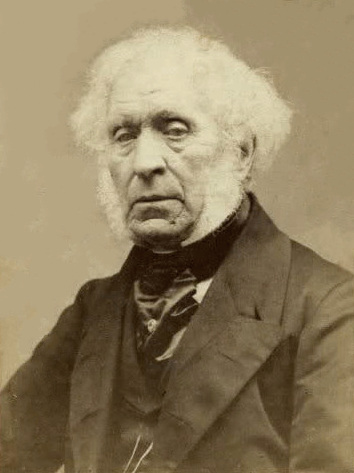
Before science became a profession, it was a calling that could cost you everything. David Brewster's 19th-century masterpiece traces the lives of three men who wagered their livelihoods, and in some cases their immortal souls, on the truth they glimpsed through their telescopes. Galileo, the brilliant Italian who turned his spyglass toward the heavens and found evidence that shattered the Aristotelian cosmos the Church had defended for centuries. His confrontation with Rome would make him the defining symbol of science versus dogma. Then there's Tycho Brahe, the Danish nobleman who wore a silver nose (the original one lost in a duel over a mathematical formula) and built the most precise astronomical observations of his age, data that would prove essential to his successor. And finally Johannes Kepler, the German mystic whose laws of planetary motion laid the groundwork for Newton, written by a man who saw astronomy as a path to God's mind. Brewster depicts these men not as marble statues but as living, suffering, quarreling human beings who changed how we see the universe.
Editions
X-Ray
“Mind has its inertia as well as matter; and its progress to truth can only be insured by the gradual and patient removal of the obstructions which surround it.””
— David Brewster
Link to this book
Add a free, dofollow link to Lex on your blog, forum, syllabus, or reading list.

<a href="https://lex-books.com/book/the-martyrs-of-science-or-the-lives-of-galileo-tycho-brahe-and-kepler-ca30e69d-5136-455e-a7e4-e4a184a3b271"><img src="https://lex-books.com/badges/read-on-lex.svg" alt="Read The Martyrs of Science, Or, The Lives of Galileo, Tycho Brahe, and Kepler by David Brewster free on Lex" width="160" height="40"></a>[](https://lex-books.com/book/the-martyrs-of-science-or-the-lives-of-galileo-tycho-brahe-and-kepler-ca30e69d-5136-455e-a7e4-e4a184a3b271)[url=https://lex-books.com/book/the-martyrs-of-science-or-the-lives-of-galileo-tycho-brahe-and-kepler-ca30e69d-5136-455e-a7e4-e4a184a3b271][img]https://lex-books.com/badges/read-on-lex.svg[/img][/url]Read The Martyrs of Science, Or, The Lives of Galileo, Tycho Brahe, and Kepler by David Brewster free on Lex: https://lex-books.com/book/the-martyrs-of-science-or-the-lives-of-galileo-tycho-brahe-and-kepler-ca30e69d-5136-455e-a7e4-e4a184a3b271Cite this book
Reading this edition for a paper or guide? Copy a citation.
Brewster, David. The Martyrs of Science, Or, The Lives of Galileo, Tycho Brahe, and Kepler. Lex, lex-books.com/book/the-martyrs-of-science-or-the-lives-of-galileo-tycho-brahe-and-kepler-ca30e69d-5136-455e-a7e4-e4a184a3b271.Brewster, D. (n.d.). The Martyrs of Science, Or, The Lives of Galileo, Tycho Brahe, and Kepler. Lex. https://lex-books.com/book/the-martyrs-of-science-or-the-lives-of-galileo-tycho-brahe-and-kepler-ca30e69d-5136-455e-a7e4-e4a184a3b271Brewster, David. The Martyrs of Science, Or, The Lives of Galileo, Tycho Brahe, and Kepler. Lex. https://lex-books.com/book/the-martyrs-of-science-or-the-lives-of-galileo-tycho-brahe-and-kepler-ca30e69d-5136-455e-a7e4-e4a184a3b271.