The Journals of Lewis and Clark, 1804-1806
The Journals of Lewis and Clark, 1804-1806
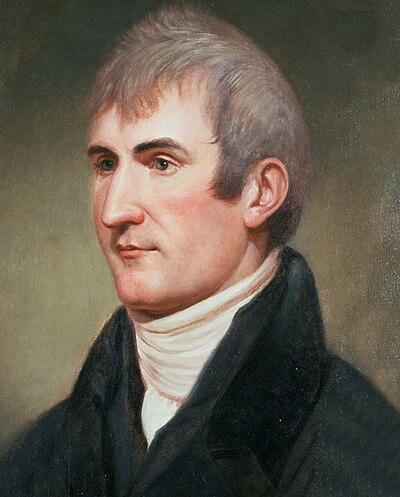
The Journals of Lewis and Clark are not a retelling of the expedition. They are the expedition itself, written in real time by men who did not know if they would survive. Beginning in May 1804 from Camp River Dubois near St. Louis, Captain Meriwether Lewis and William Clark led thirty-three men, including the Shoshone guide Sacajawea, into territory no American had ever documented. What unfolds across these pages is both a thrilling adventure narrative and an astonishing catalog of natural history: new species of plants and animals, geological formations that defied explanation, and rivers that had to be learned through trial and catastrophic error. The journals also record something more human and more complicated: encounters with dozens of Native nations, some collaborative, some wary, all transformed by the knowledge that these lands were now claimed by a distant republic. Reading these entries today feels like eavesdropping on the birth of American geography. The wonder is genuine. So is the complicated legacy.
Editions
X-Ray
“Whilst I viewed those mountains, I felt a secret pleasure in finding myself so near the head of the--heretofore conceived--boundless Missouri. But when I reflected on the difficulties which this snowy barrier would most probably throw in my way to the Pacific Ocean, and the sufferings and hardships of myself and the party in them, it in some measure counterbalanced the joy I had felt in the first moments in which I gazed on them. But, as I have always held it little short of criminality to anticipate evils, I will allow it to be a good, comfortable road until I am compelled to believe otherwise. (William Clark)””
— Meriwether Lewis
“We were now about to penetrate a country at least two thousand miles in width, on which the foot of civilized man had never trod. The good or evil it had in store for us was for experiment yet to determine, and these little vessels contained every article by which we were to expect to subsist or defend ourselves. However, as the state of mind in which we are, generally gives the coloring to events, when the imagination is suffered to wander into futurity, the picture which now presented itself to me was a most pleasing one. Entertaining as I do the most confident hope of succeeding in a voyage which had formed a darling project of mine for the last ten years, I could but esteem this moment of my departure as among the most happy of my life. (Meriwether Lewis)””
— Meriwether Lewis
“I called this island Bad Humored Island, as we were in a bad humor.””
— Meriwether Lewis
Link to this book
Add a free, dofollow link to Lex on your blog, forum, syllabus, or reading list.

<a href="https://lex-books.com/book/the-journals-of-lewis-and-clark-1804-1806-bc5b91e6-969d-48b3-902d-beef3b1f1c55"><img src="https://lex-books.com/badges/read-on-lex.svg" alt="Read The Journals of Lewis and Clark, 1804-1806 by Meriwether Lewis free on Lex" width="160" height="40"></a>[](https://lex-books.com/book/the-journals-of-lewis-and-clark-1804-1806-bc5b91e6-969d-48b3-902d-beef3b1f1c55)[url=https://lex-books.com/book/the-journals-of-lewis-and-clark-1804-1806-bc5b91e6-969d-48b3-902d-beef3b1f1c55][img]https://lex-books.com/badges/read-on-lex.svg[/img][/url]Read The Journals of Lewis and Clark, 1804-1806 by Meriwether Lewis free on Lex: https://lex-books.com/book/the-journals-of-lewis-and-clark-1804-1806-bc5b91e6-969d-48b3-902d-beef3b1f1c55Cite this book
Reading this edition for a paper or guide? Copy a citation.
Lewis, Meriwether. The Journals of Lewis and Clark, 1804-1806. Lex, lex-books.com/book/the-journals-of-lewis-and-clark-1804-1806-bc5b91e6-969d-48b3-902d-beef3b1f1c55.Lewis, M. (n.d.). The Journals of Lewis and Clark, 1804-1806. Lex. https://lex-books.com/book/the-journals-of-lewis-and-clark-1804-1806-bc5b91e6-969d-48b3-902d-beef3b1f1c55Lewis, Meriwether. The Journals of Lewis and Clark, 1804-1806. Lex. https://lex-books.com/book/the-journals-of-lewis-and-clark-1804-1806-bc5b91e6-969d-48b3-902d-beef3b1f1c55.