The History of Rome (volumes 1-5)
1854
The History of Rome (volumes 1-5)
1854
Translated by William P. (William Purdie) Dickson
Mommsen's History of Rome is not merely an account of emperors and battles. It is a thunderous, opinionated, often furious meditation on what Rome meant to civilization, and what civilization owes to Rome. Written in the mid-19th century by a scholar who regarded history as literature and evidence as drama, these volumes trace Rome's transformation from a muddy hilltop village into the machinery that would govern the Mediterranean for a millennium. Mommsen refuses to separate politics from culture, military ambition from the deeper currents of Italian identity. He argues, with electrifying conviction, that Rome was not simply a power but an idea that reshaped the world. This is history written with the intensity of a novelist and the precision of an archaeologist who has waited his whole life to speak. It remains the foundation upon which every serious study of Rome is still built.
Editions
X-Ray
“Grecia dejó obras que serán maestras de superior cultura individual; Roma, leyes que gobiernan y dirigen las sociedades. Después del pueblo judío, pueblo jurista por excelencia, y de la promulgación de la Torá divina comunicada a Moisés, ningún pueblo ni ninguna ley han granjeado entre los hombres el influjo que el pueblo y las leyes romanas han conseguido, cuya extraordinaria difusión e influencia revelan, con claridad, que la historia se rige por principios verdaderamente providenciales.””
— Theodor Mommsen
About The History of Rome (volumes 1-5)
Chapter Summaries
- 1
- Mommsen establishes the scope and significance of Roman history within the broader context of Mediterranean civilization. He argues that Roman history represents the culmination of ancient civilization and outlines his methodological approach.
- 2
- Examines the prehistoric settlement of Italy by Indo-Germanic peoples, analyzing linguistic and archaeological evidence. Discusses the Iapygian, Italian, and other early stocks and their relationships.
- 3
- Traces Latin settlement in central Italy and the formation of the Latin League. Describes the geographic and political organization of early Latin communities and their federal structure.
Key Themes
- Constitutional Development
- Mommsen traces the evolution of Roman political institutions from monarchy through the complex constitutional arrangements that balanced popular, aristocratic, and executive power. This institutional development was key to Roman success.
- Cultural Synthesis
- The work explores how Rome absorbed and transformed influences from Etruscans, Greeks, and other Italian peoples while maintaining its distinctive character. This cultural adaptability was crucial to Roman expansion.
- Military Organization
- The development of Roman military institutions, from the early citizen-militia to the professional legions, is shown as fundamental to Roman conquest and control of Italy.
Characters
- Theodor Mommsen(major)
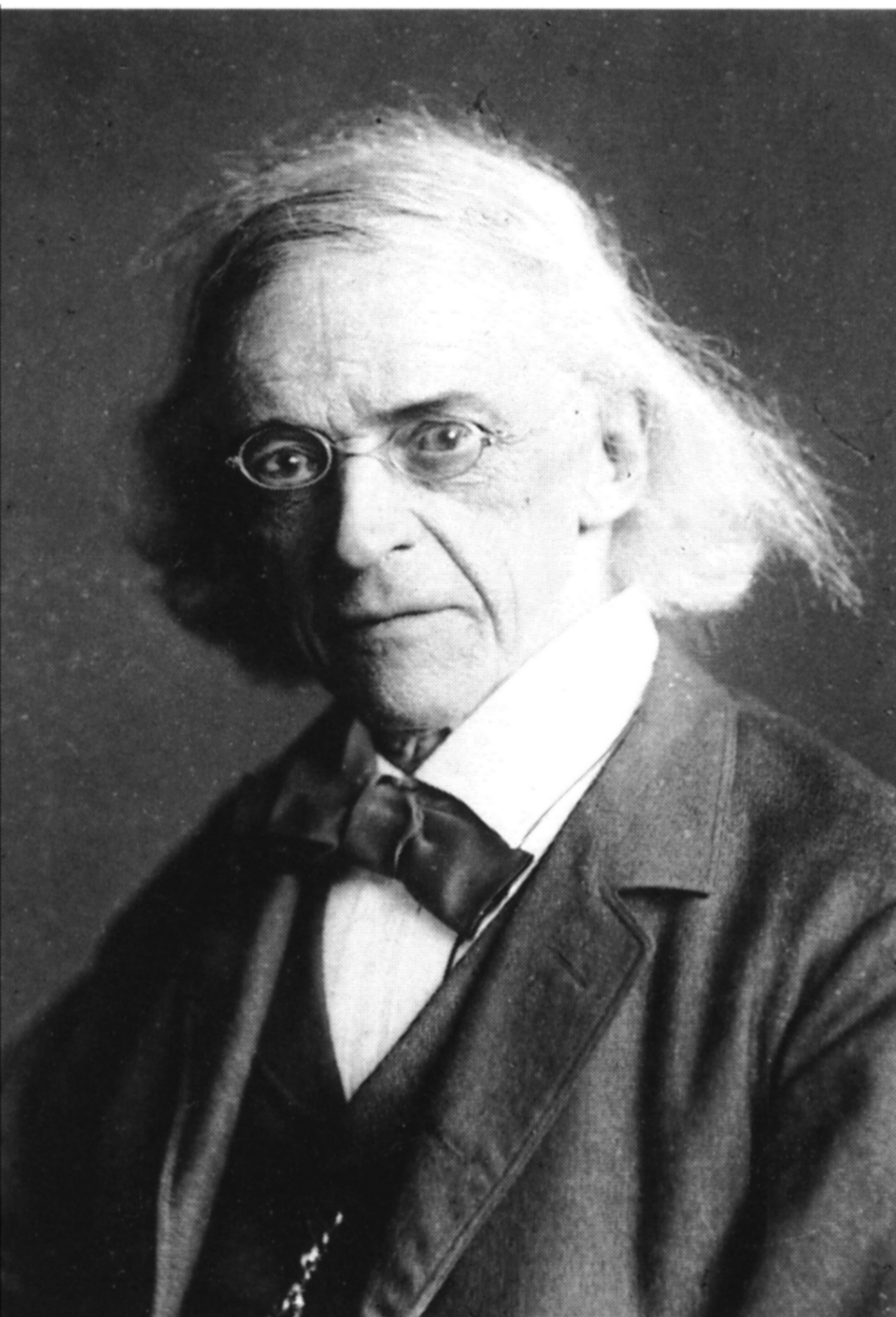
- German historian and author of this comprehensive work on Roman history. Nobel Prize winner who wrote the definitive account of Rome's rise from its origins through the establishment of the military monarchy.
- William Purdie Dickson(major)
- Scottish scholar and translator who rendered Mommsen's German work into English. Professor of Divinity at the University of Glasgow who made this seminal work accessible to English readers.
- Romulus(major)
- Legendary founder and first king of Rome according to tradition. Represents the mythical origins of Roman power and the establishment of Roman institutions.
- Servius Tullius(major)
- Sixth king of Rome credited with major constitutional reforms including the Servian constitution that reorganized Roman society and military. His reforms laid groundwork for later republican institutions.
- Tarquinius Superbus(major)
- Last king of Rome whose tyrannical rule led to the expulsion of the monarchy and establishment of the Republic. His overthrow marked the end of the regal period.
- The Roman People(protagonist)
- The collective Roman community that evolved from small city-state to dominant Italian power. Represents the central force driving Roman expansion and institutional development.
Link to this book
Add a free, dofollow link to Lex on your blog, forum, syllabus, or reading list.

<a href="https://lex-books.com/book/the-history-of-rome-volumes-1-5-961a35f8-3892-4e12-8039-656e0cc69a75"><img src="https://lex-books.com/badges/read-on-lex.svg" alt="Read The History of Rome (volumes 1-5) by Theodor Mommsen free on Lex" width="160" height="40"></a>[](https://lex-books.com/book/the-history-of-rome-volumes-1-5-961a35f8-3892-4e12-8039-656e0cc69a75)[url=https://lex-books.com/book/the-history-of-rome-volumes-1-5-961a35f8-3892-4e12-8039-656e0cc69a75][img]https://lex-books.com/badges/read-on-lex.svg[/img][/url]Read The History of Rome (volumes 1-5) by Theodor Mommsen free on Lex: https://lex-books.com/book/the-history-of-rome-volumes-1-5-961a35f8-3892-4e12-8039-656e0cc69a75Cite this book
Reading this edition for a paper or guide? Copy a citation.
Mommsen, Theodor. The History of Rome (volumes 1-5). Lex, lex-books.com/book/the-history-of-rome-volumes-1-5-961a35f8-3892-4e12-8039-656e0cc69a75.Mommsen, T. (1854). The History of Rome (volumes 1-5). Lex. https://lex-books.com/book/the-history-of-rome-volumes-1-5-961a35f8-3892-4e12-8039-656e0cc69a75Mommsen, Theodor. The History of Rome (volumes 1-5). Lex. https://lex-books.com/book/the-history-of-rome-volumes-1-5-961a35f8-3892-4e12-8039-656e0cc69a75.