The History of Rome, Book III: From the Union of Italy to the Subjugation of Carthage and the Greek States
1856
The History of Rome, Book III: From the Union of Italy to the Subjugation of Carthage and the Greek States
1856
Translated by William P. (William Purdie) Dickson
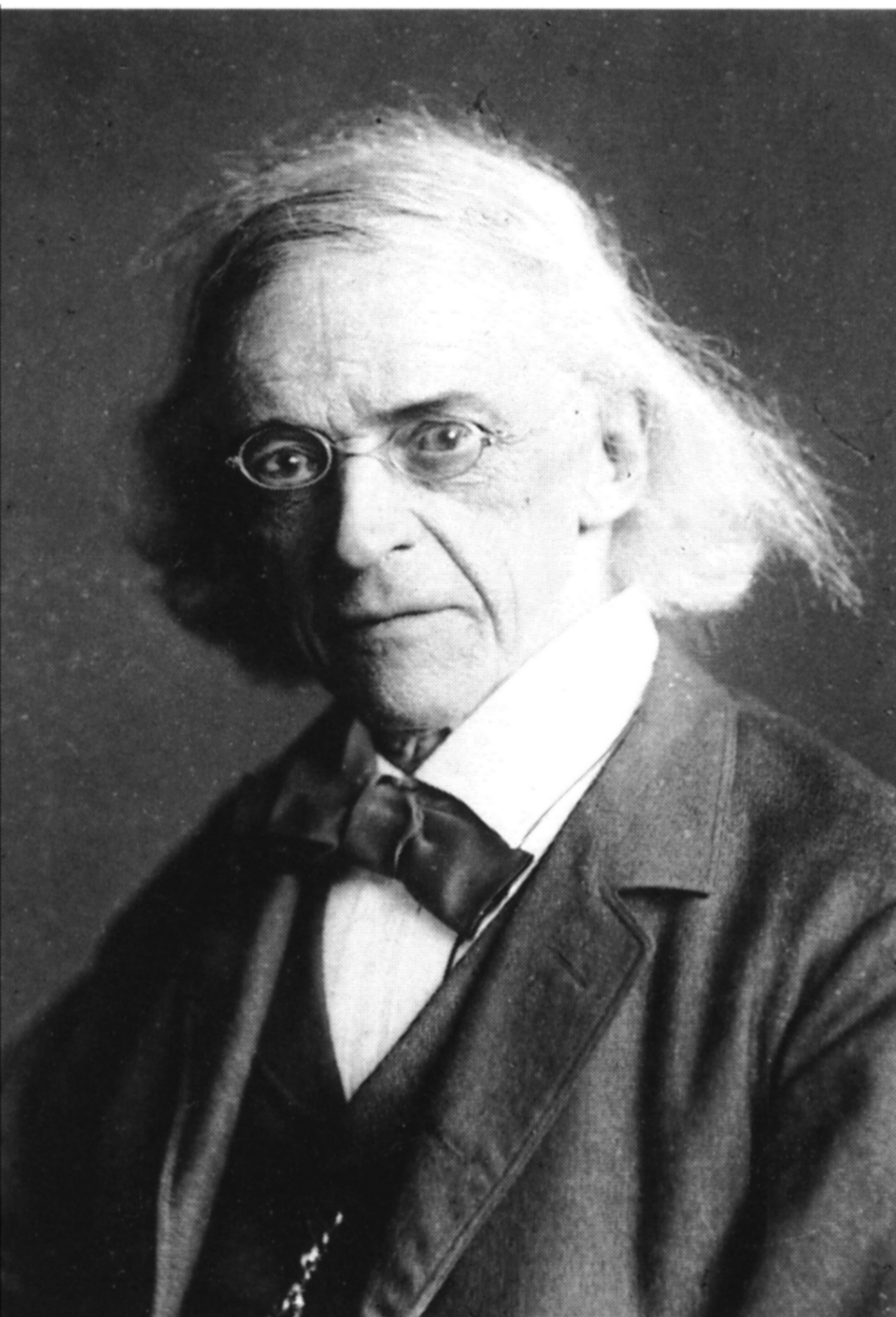
This is history written as it should be: with the sweep of epic and the precision of mastery. Theodor Mommsen, the first scholar to win the Nobel Prize for Literature, turns his gaze on the most consequential era in Mediterranean history: the centuries when Rome crushed Carthage, annexed Greece, and became the undisputed ruler of the ancient world. Book III traces Rome's transformation from Italian city-state to Mediterranean empire, beginning with the unification of the peninsula and culminating in the destruction of Carthage and the subjugation of the Hellenistic kingdoms. Along the way, Mommsen resurrects the Phoenicians and Carthaginians as more than mere foils to Roman greatness, examining their commercial empire and the political void their destruction would create. The narrative moves through the great wars with vivid clarity, but it is Mommsen's analysis of how republican Rome actually functioned, its institutions, its economics, its brutal pragmatism, that elevates this far beyond popular history. This is 19th-century German scholarship at its most brilliant: rigorous, opinionated, and beautifully written. For anyone who wants to understand not just what Rome did, but how and why it mattered.
Editions
X-Ray
Carthaginian general and father of Hannibal. A brilliant military strategist who established Carthaginian power in Spain and laid the groundwork for the war against Rome. Known as 'Barak' (lightning) for his tactical brilliance.
The greatest Carthaginian general, son of Hamilcar. Led the famous crossing of the Alps and conducted brilliant campaigns in Italy against Rome. A master of strategy and tactics who inspired fierce loyalty in his diverse army.
Young Roman general who became Hannibal's greatest opponent. Captured New Carthage in Spain and eventually defeated Hannibal at Zama. Known for his charismatic leadership and strategic brilliance.
Veteran Roman general known as the 'Sword of Rome.' Distinguished himself in the Gallic wars and became one of Rome's most effective commanders against Hannibal. Captured Syracuse after a long siege.
About The History of Rome, Book III: From the Union of Italy to the Subjugation of Carthage and the Greek States
Chapter Summaries
- 1
- Mommsen analyzes Carthaginian civilization, comparing it unfavorably to Rome. He describes Carthage as a commercial oligarchy lacking the political virtues and military spirit that made Rome great, setting up the fundamental contrast between the two powers.
- 2
- The First Punic War is recounted, focusing on the struggle for Sicily. Rome builds its first major fleet and eventually defeats Carthage, gaining Sicily as its first province and establishing the pattern of Roman overseas expansion.
- 3
- Rome consolidates control over Italy and extends into Sicily, Sardinia, and northern Italy. The chapter describes the organization of provinces and Rome's conflicts with the Gauls, establishing Roman dominance up to the Alps.
Key Themes
- Military Genius vs. Political Systems
- The contrast between individual brilliance (Hannibal) and institutional strength (Roman Republic). Hannibal's tactical genius is ultimately defeated by Rome's political resilience and systematic approach to warfare.
- The Nature of Leadership
- Different styles of leadership are examined through figures like Hannibal (inspirational), Fabius (cautious), Marcellus (aggressive), and Scipio (charismatic). The work explores how personality shapes military and political outcomes.
- Loyalty and Betrayal
- The Italian confederacy's loyalty to Rome despite Hannibal's victories demonstrates the strength of Roman alliances. Conversely, Carthage's failure to support Hannibal adequately shows the weakness of their political system.
Characters
- Hamilcar Barcas(major)
- Carthaginian general and father of Hannibal. A brilliant military strategist who established Carthaginian power in Spain and laid the groundwork for the war against Rome. Known as 'Barak' (lightning) for his tactical brilliance.
- Hannibal(protagonist)
- The greatest Carthaginian general, son of Hamilcar. Led the famous crossing of the Alps and conducted brilliant campaigns in Italy against Rome. A master of strategy and tactics who inspired fierce loyalty in his diverse army.
- Publius Cornelius Scipio (Africanus)(major)
- Young Roman general who became Hannibal's greatest opponent. Captured New Carthage in Spain and eventually defeated Hannibal at Zama. Known for his charismatic leadership and strategic brilliance.
- Marcus Claudius Marcellus(major)
- Veteran Roman general known as the 'Sword of Rome.' Distinguished himself in the Gallic wars and became one of Rome's most effective commanders against Hannibal. Captured Syracuse after a long siege.
- Quintus Fabius Maximus(major)
- Roman dictator known as 'Cunctator' (the Delayer). Developed the strategy of avoiding pitched battles with Hannibal while harassing his forces. His cautious approach was initially unpopular but ultimately effective.
- Hasdrubal Barcas(major)
- Hannibal's brother who commanded Carthaginian forces in Spain. Attempted to bring reinforcements to Hannibal in Italy but was defeated and killed at the Metaurus River.
Link to this book
Add a free, dofollow link to Lex on your blog, forum, syllabus, or reading list.

<a href="https://lex-books.com/book/the-history-of-rome-book-iii-from-the-union-of-italy-to-the-subjugation-of-carth-58bd3e89-101e-440b-a2df-23446d46d024"><img src="https://lex-books.com/badges/read-on-lex.svg" alt="Read The History of Rome, Book III: From the Union of Italy to the Subjugation of Carthage and the Greek States by Theodor Mommsen free on Lex" width="160" height="40"></a>[](https://lex-books.com/book/the-history-of-rome-book-iii-from-the-union-of-italy-to-the-subjugation-of-carth-58bd3e89-101e-440b-a2df-23446d46d024)[url=https://lex-books.com/book/the-history-of-rome-book-iii-from-the-union-of-italy-to-the-subjugation-of-carth-58bd3e89-101e-440b-a2df-23446d46d024][img]https://lex-books.com/badges/read-on-lex.svg[/img][/url]Read The History of Rome, Book III: From the Union of Italy to the Subjugation of Carthage and the Greek States by Theodor Mommsen free on Lex: https://lex-books.com/book/the-history-of-rome-book-iii-from-the-union-of-italy-to-the-subjugation-of-carth-58bd3e89-101e-440b-a2df-23446d46d024Cite this book
Reading this edition for a paper or guide? Copy a citation.
Mommsen, Theodor. The History of Rome, Book III: From the Union of Italy to the Subjugation of Carthage and the Greek States. Lex, lex-books.com/book/the-history-of-rome-book-iii-from-the-union-of-italy-to-the-subjugation-of-carth-58bd3e89-101e-440b-a2df-23446d46d024.Mommsen, T. (1856). The History of Rome, Book III: From the Union of Italy to the Subjugation of Carthage and the Greek States. Lex. https://lex-books.com/book/the-history-of-rome-book-iii-from-the-union-of-italy-to-the-subjugation-of-carth-58bd3e89-101e-440b-a2df-23446d46d024Mommsen, Theodor. The History of Rome, Book III: From the Union of Italy to the Subjugation of Carthage and the Greek States. Lex. https://lex-books.com/book/the-history-of-rome-book-iii-from-the-union-of-italy-to-the-subjugation-of-carth-58bd3e89-101e-440b-a2df-23446d46d024.